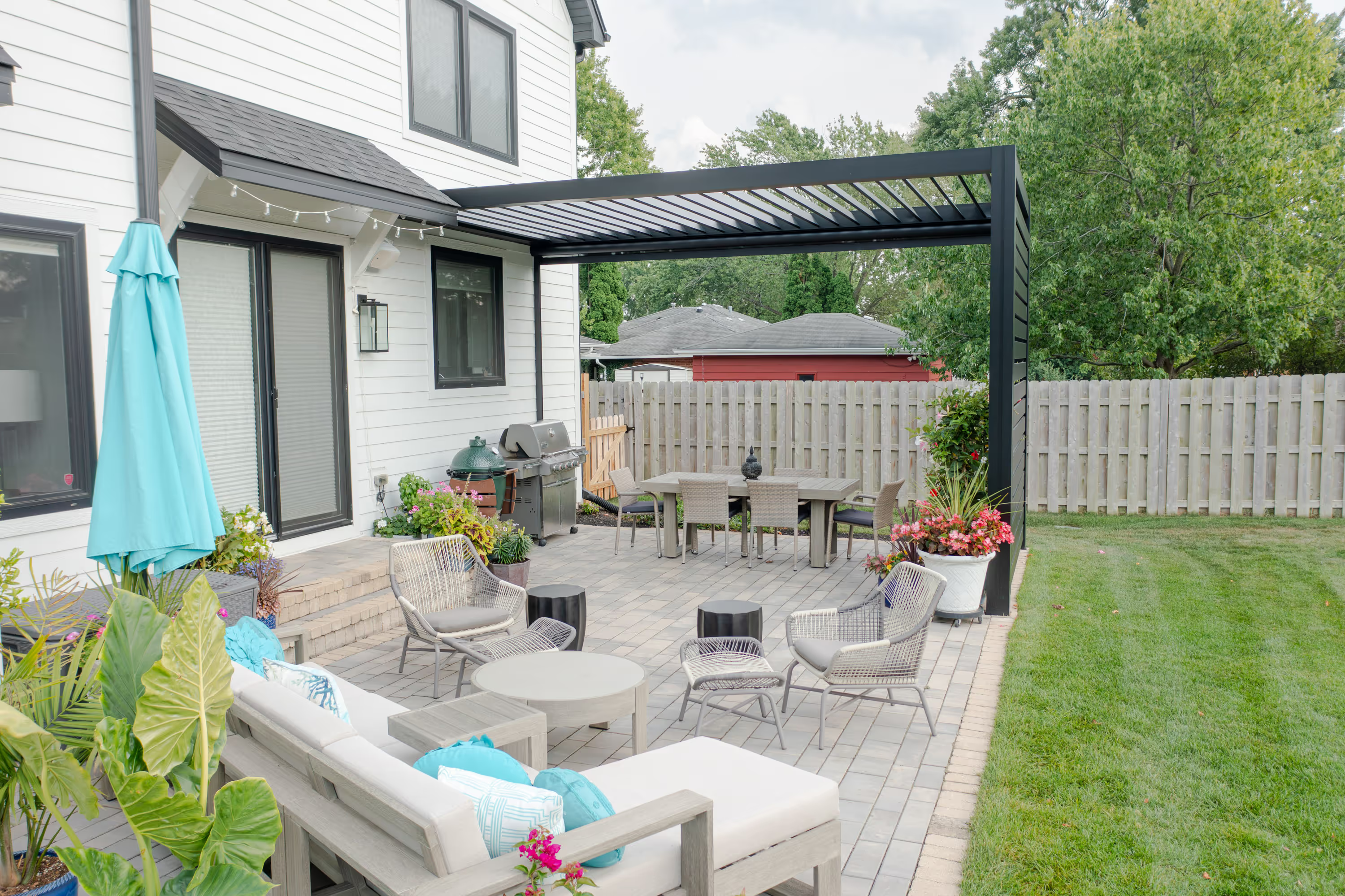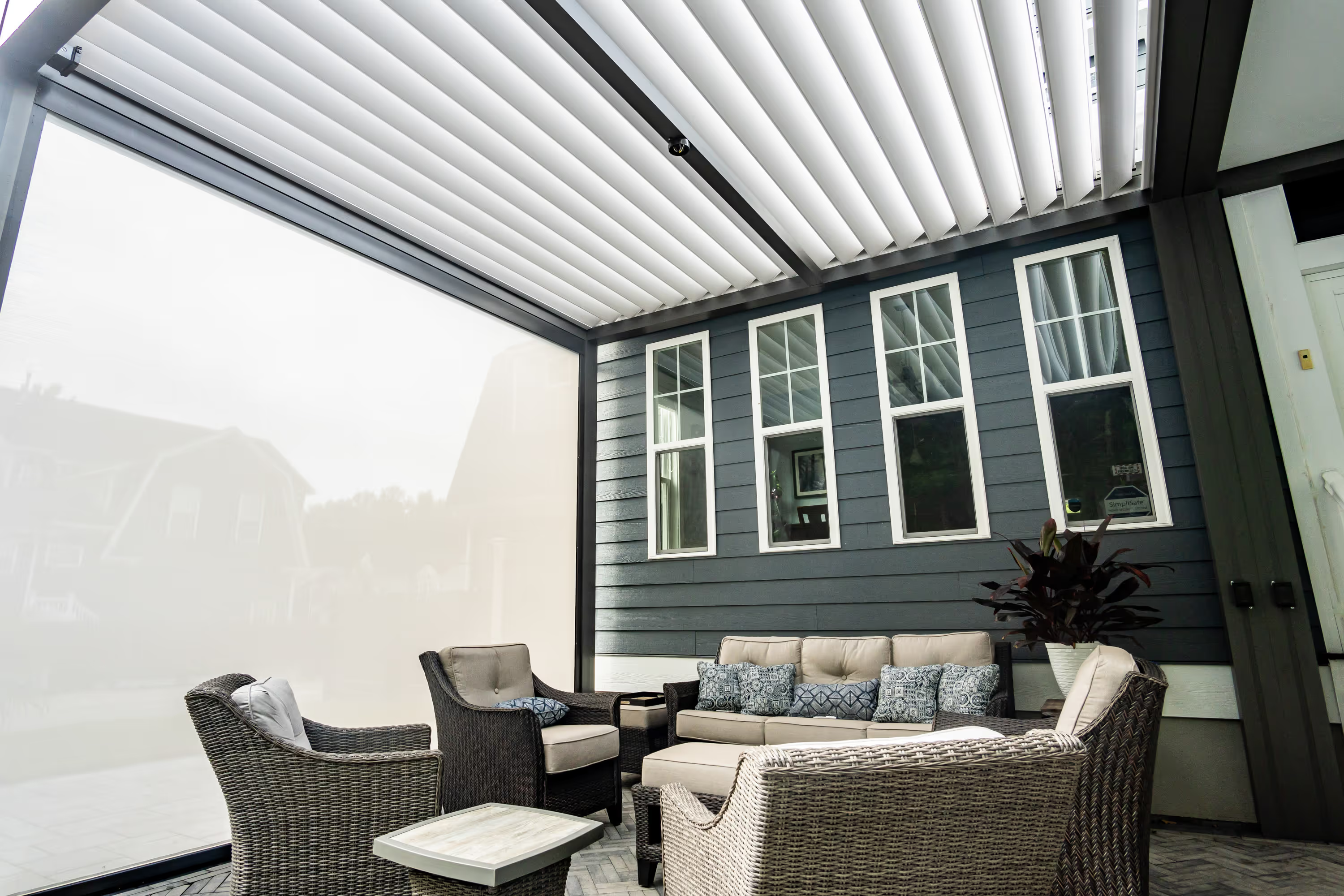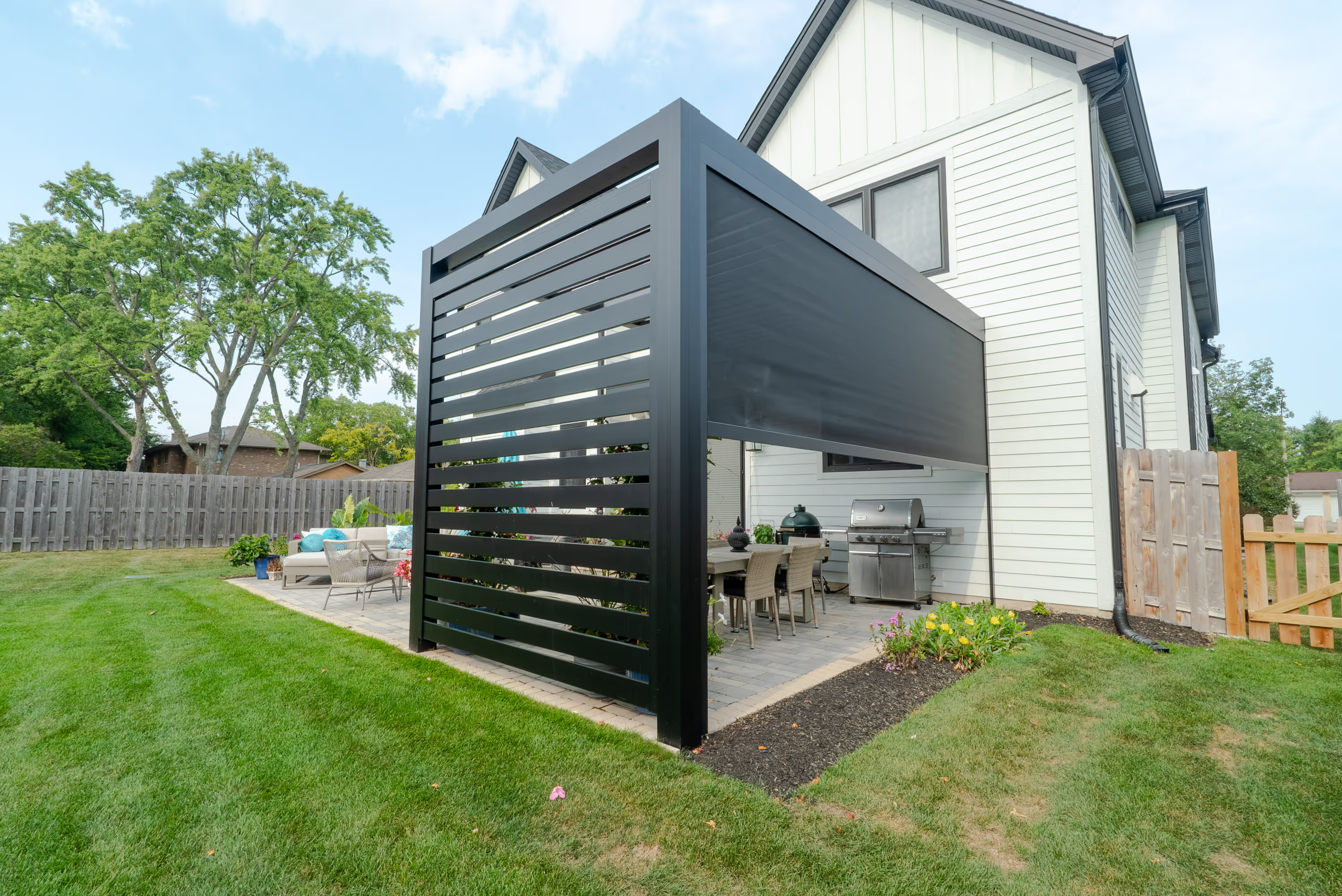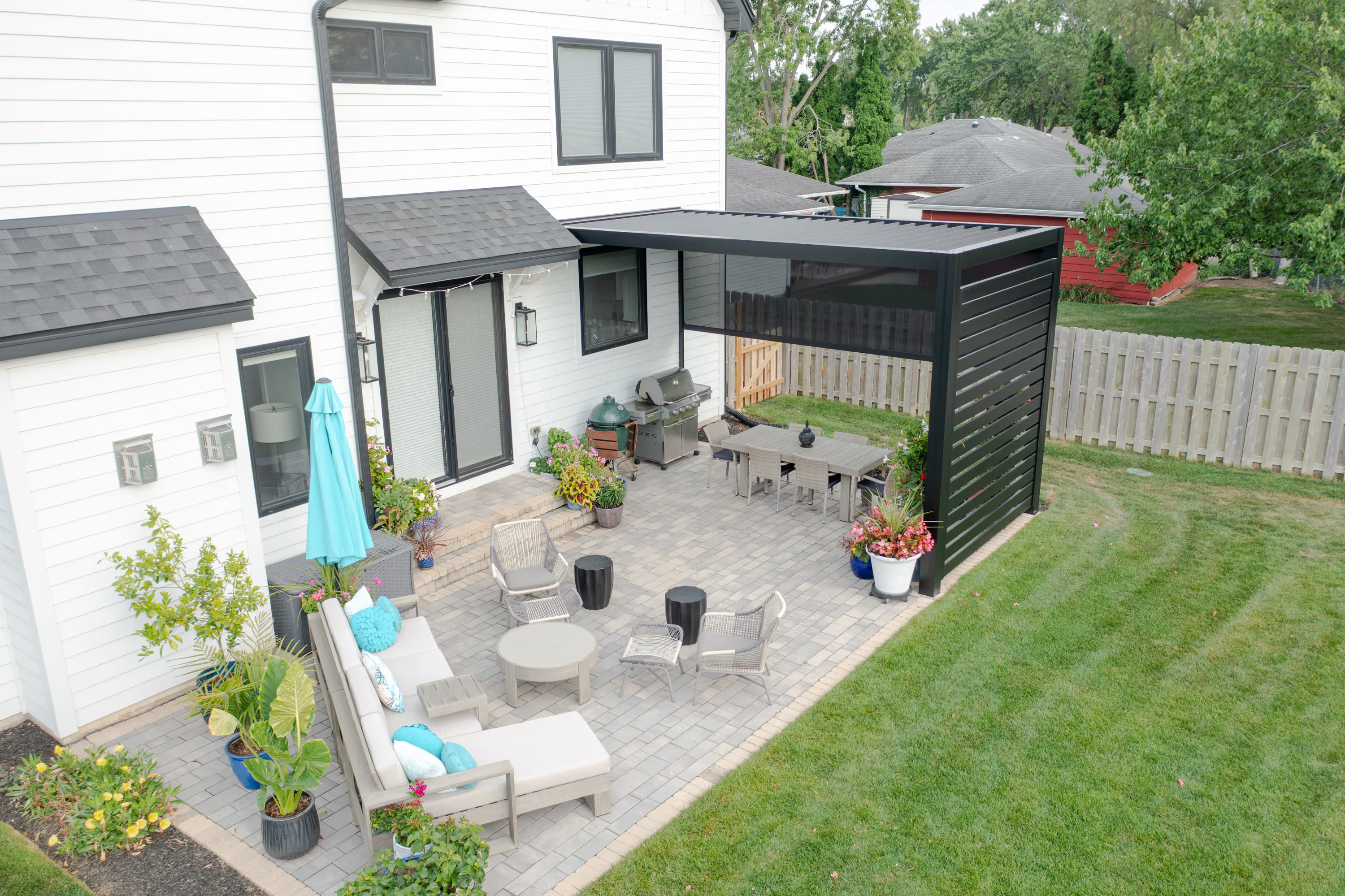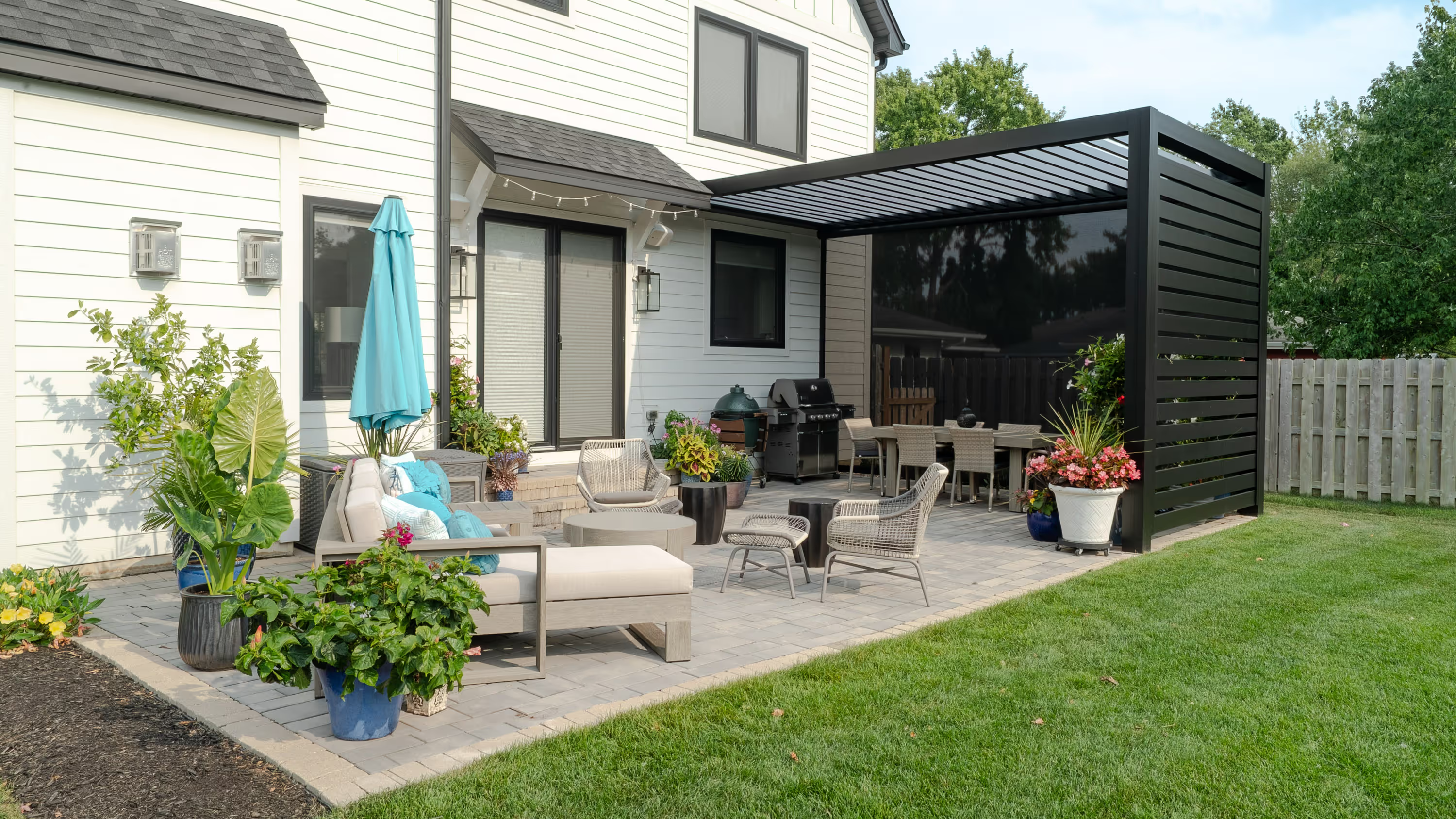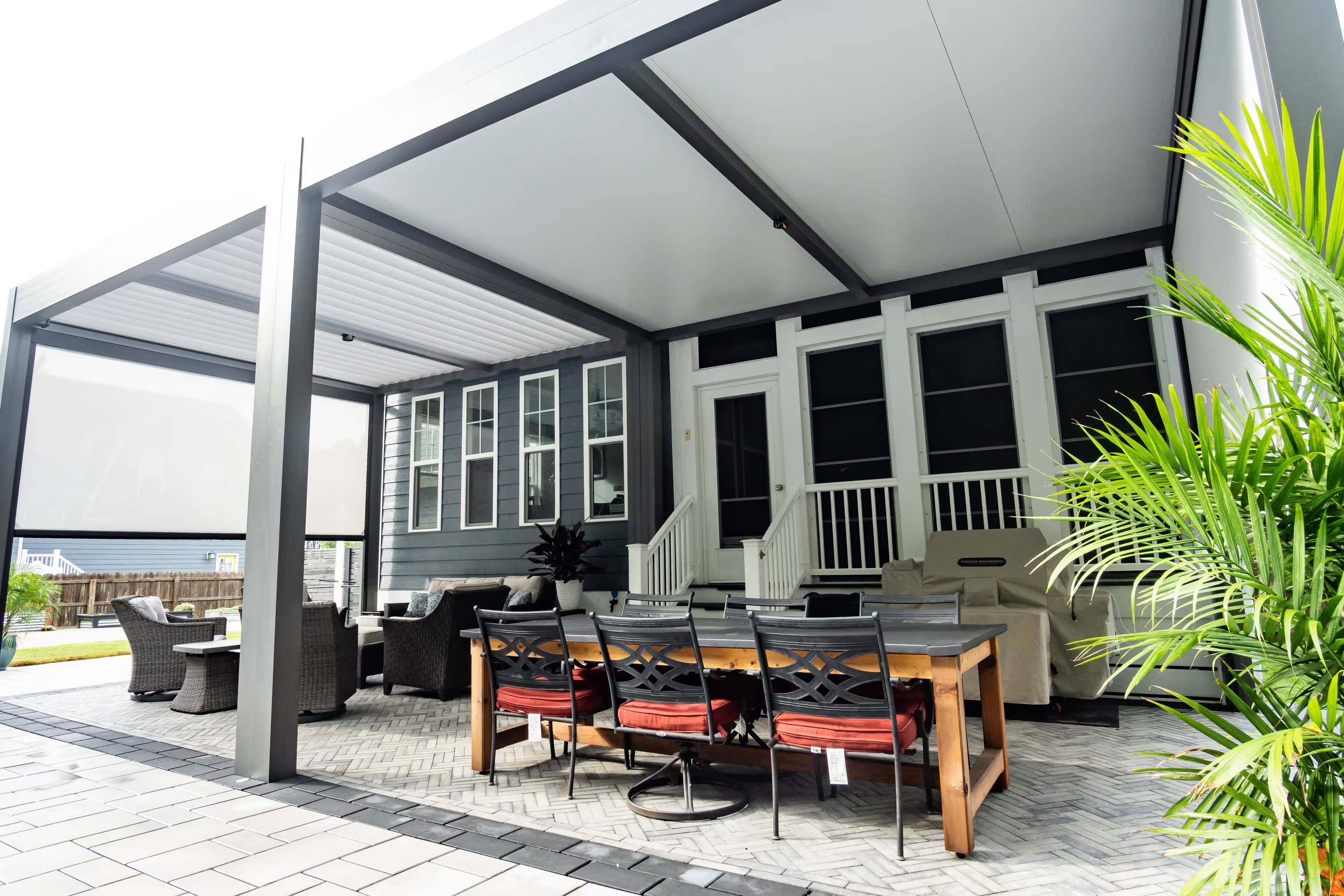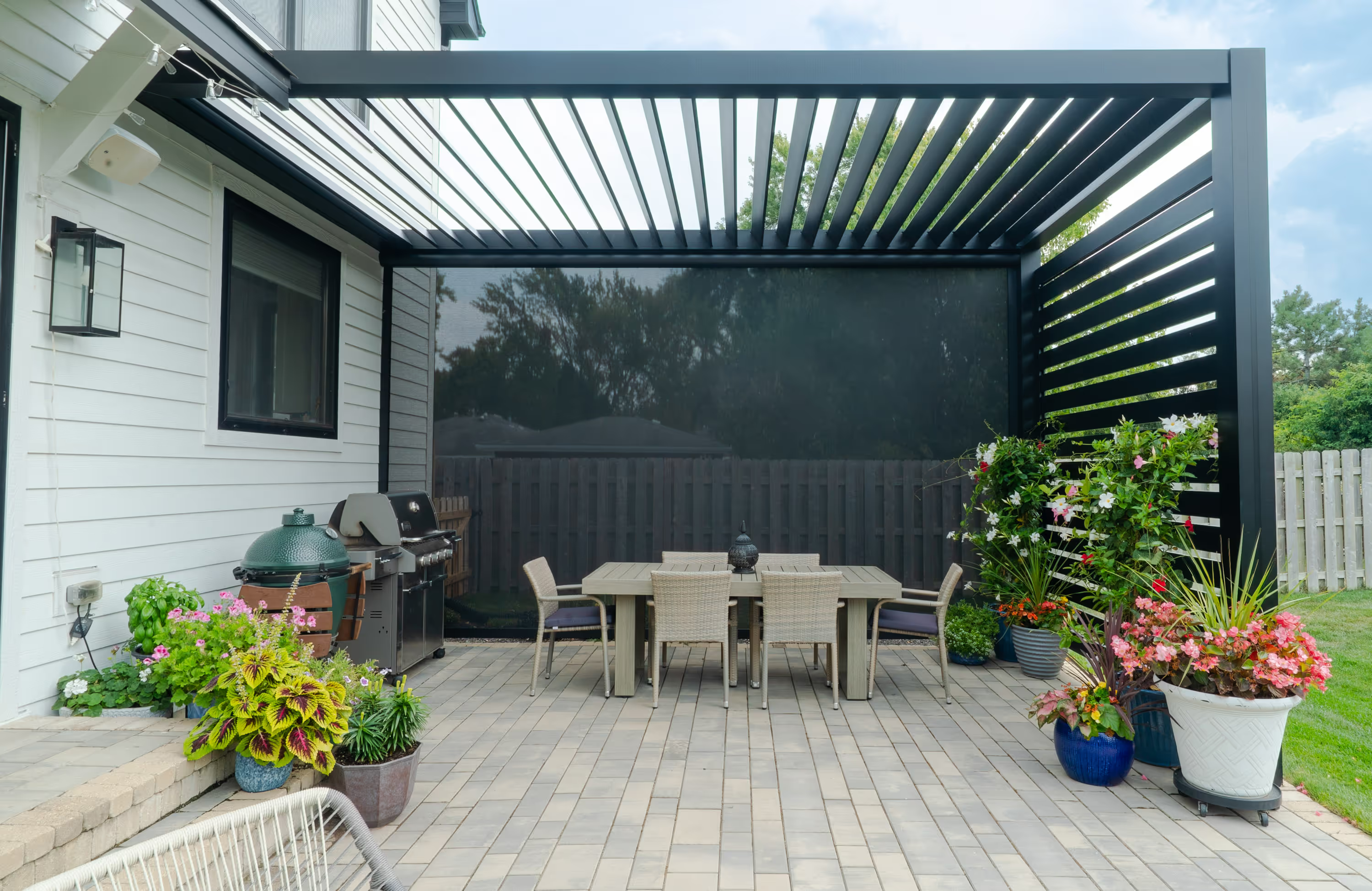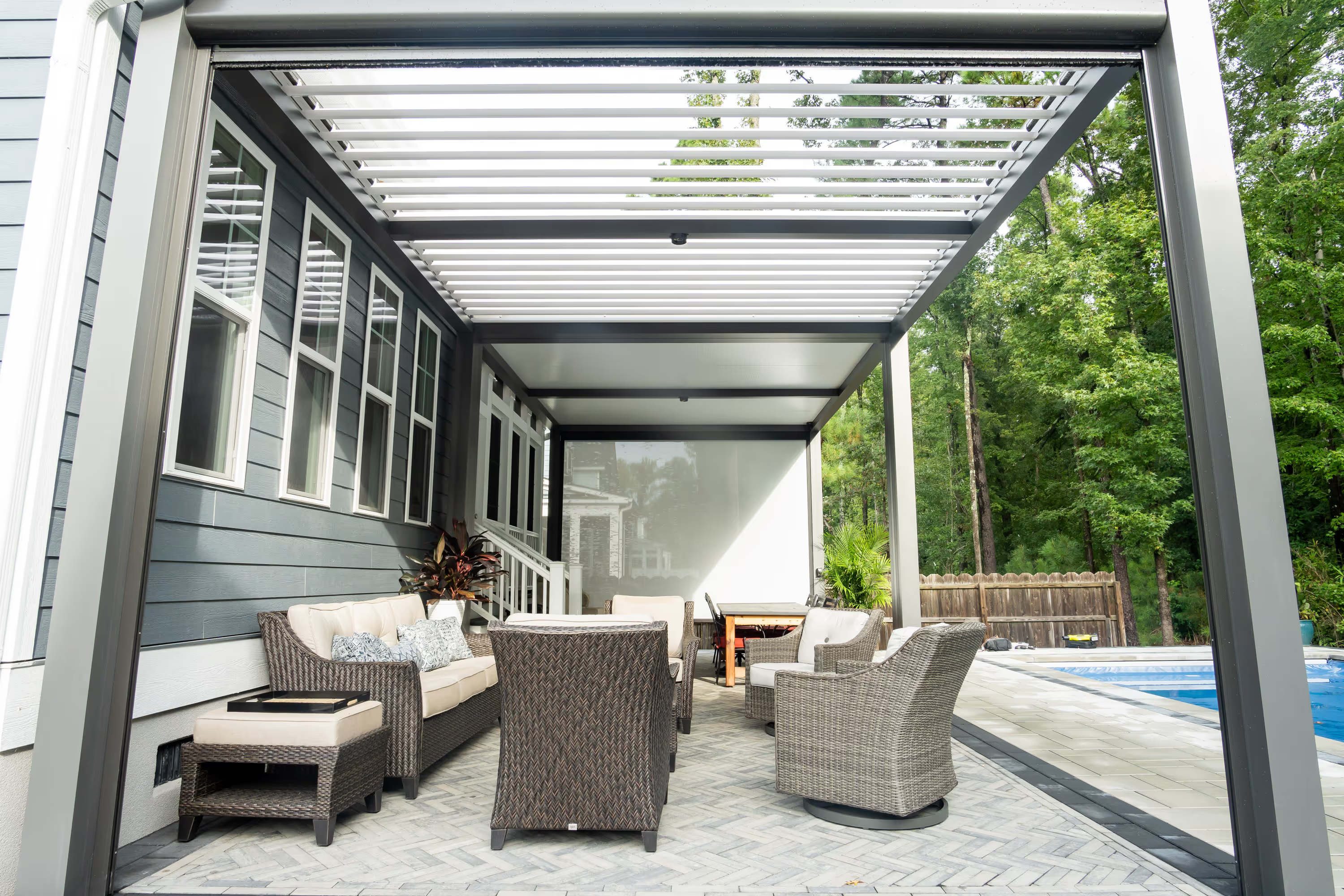
MOTORIZED SCREENS AND RETRACTABLE AWNINGS
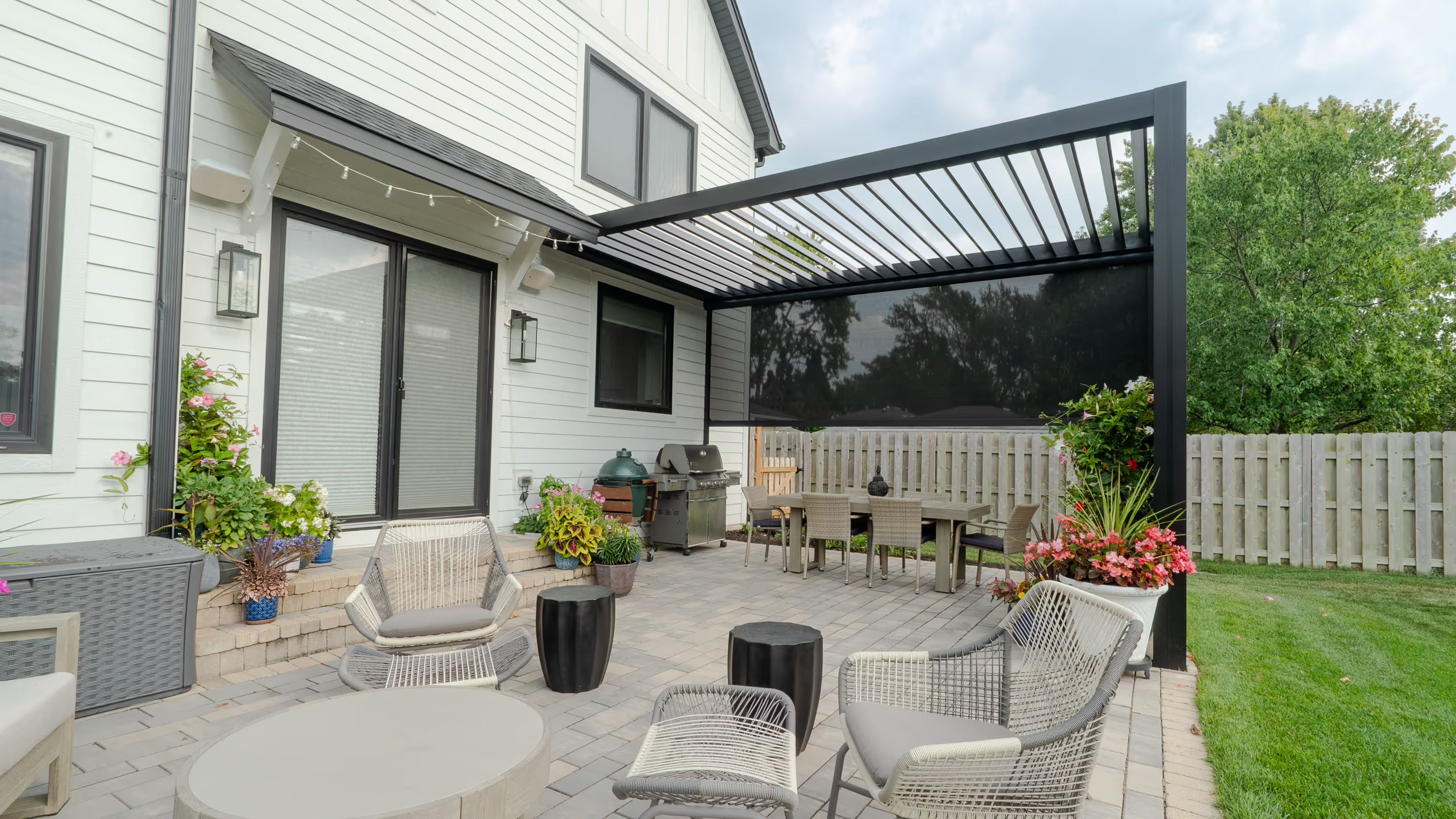
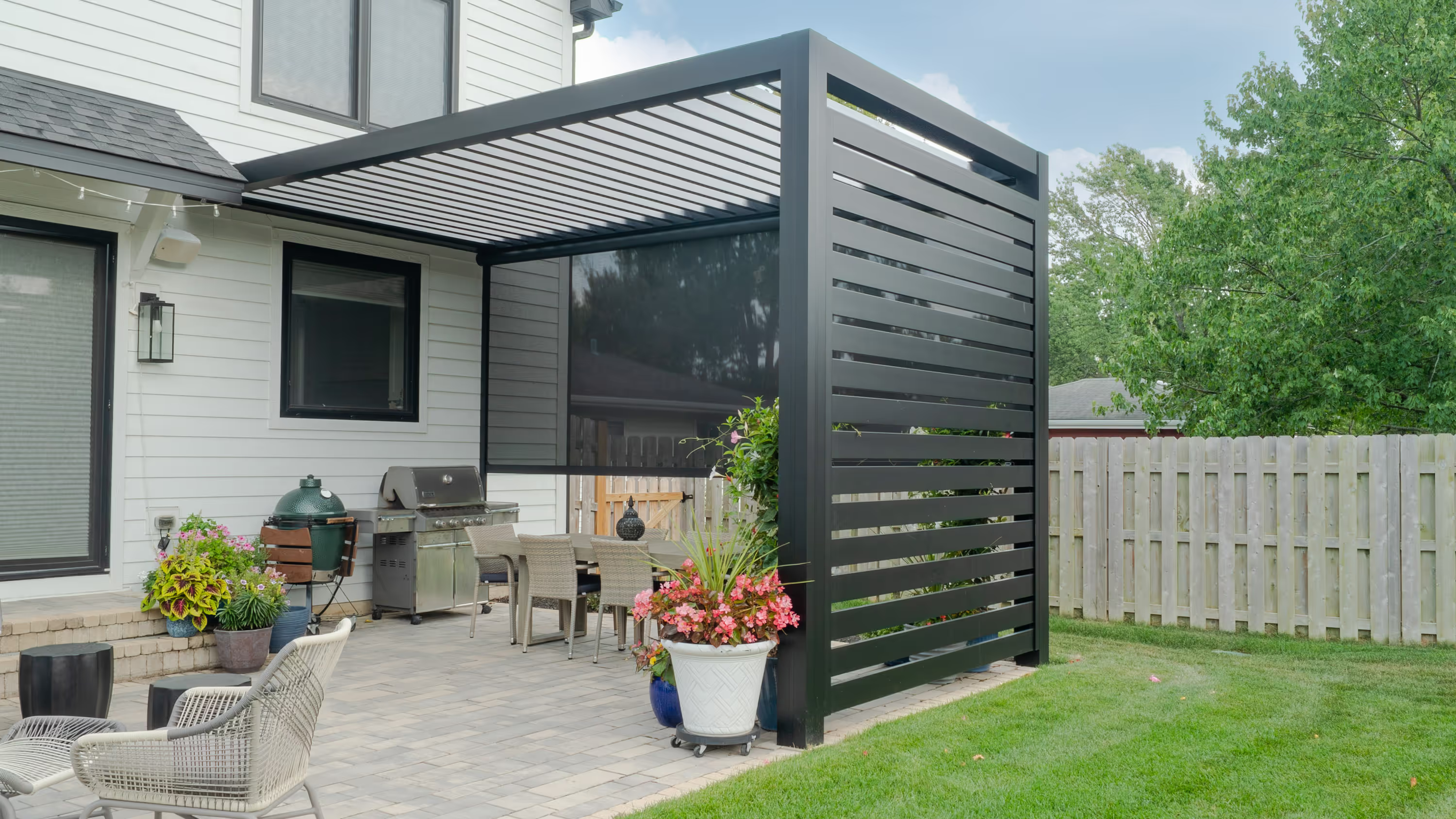
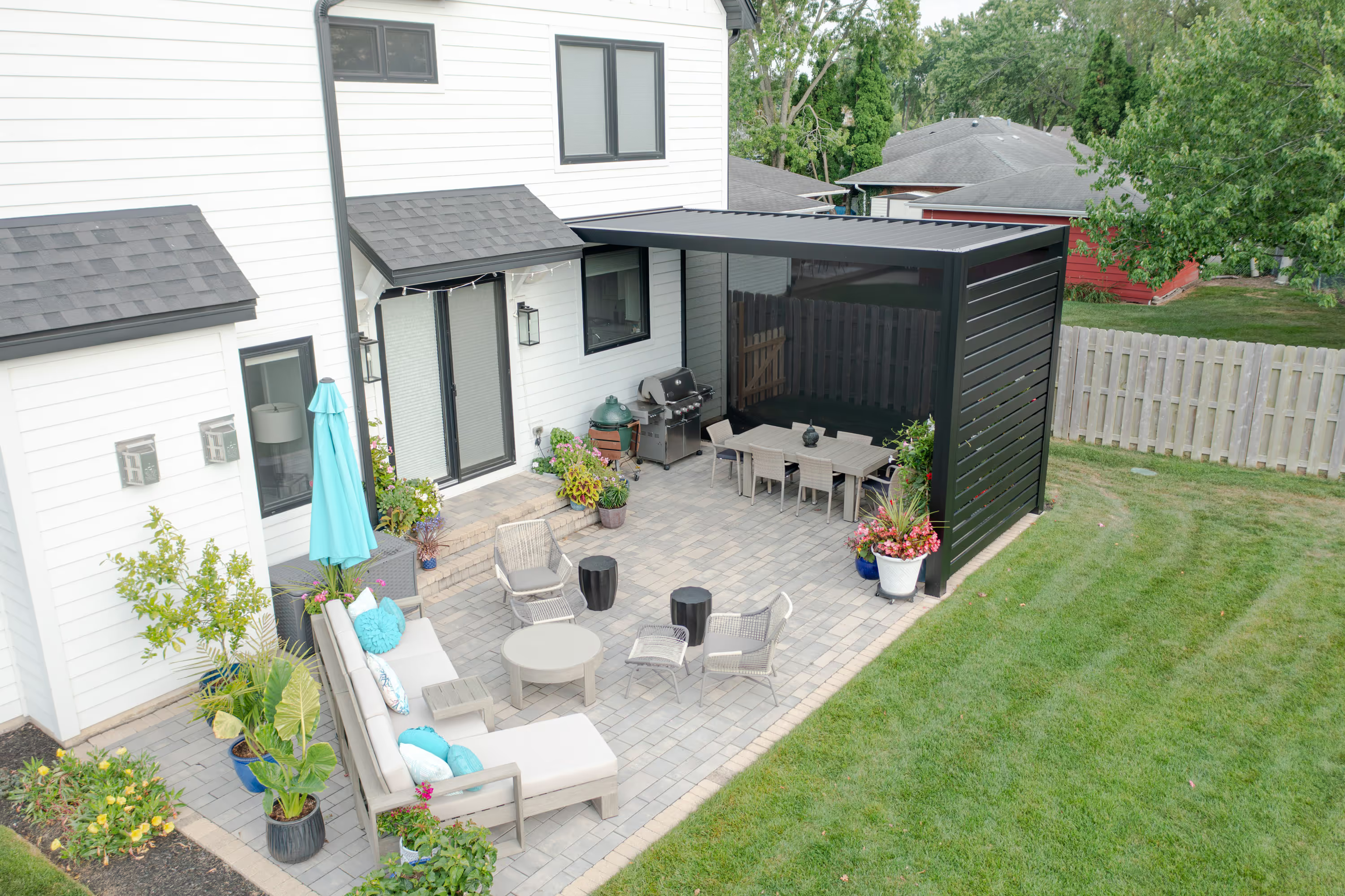
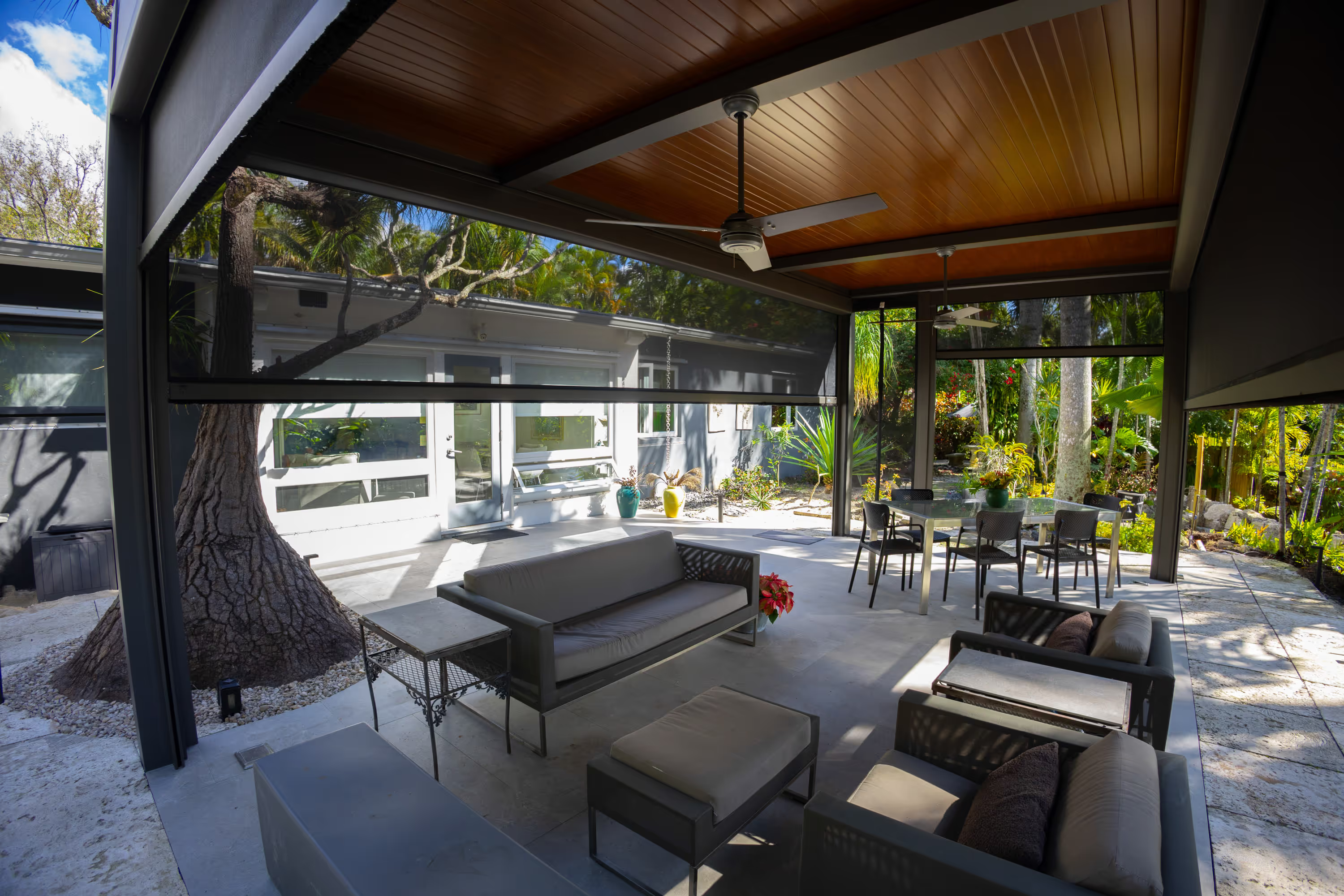
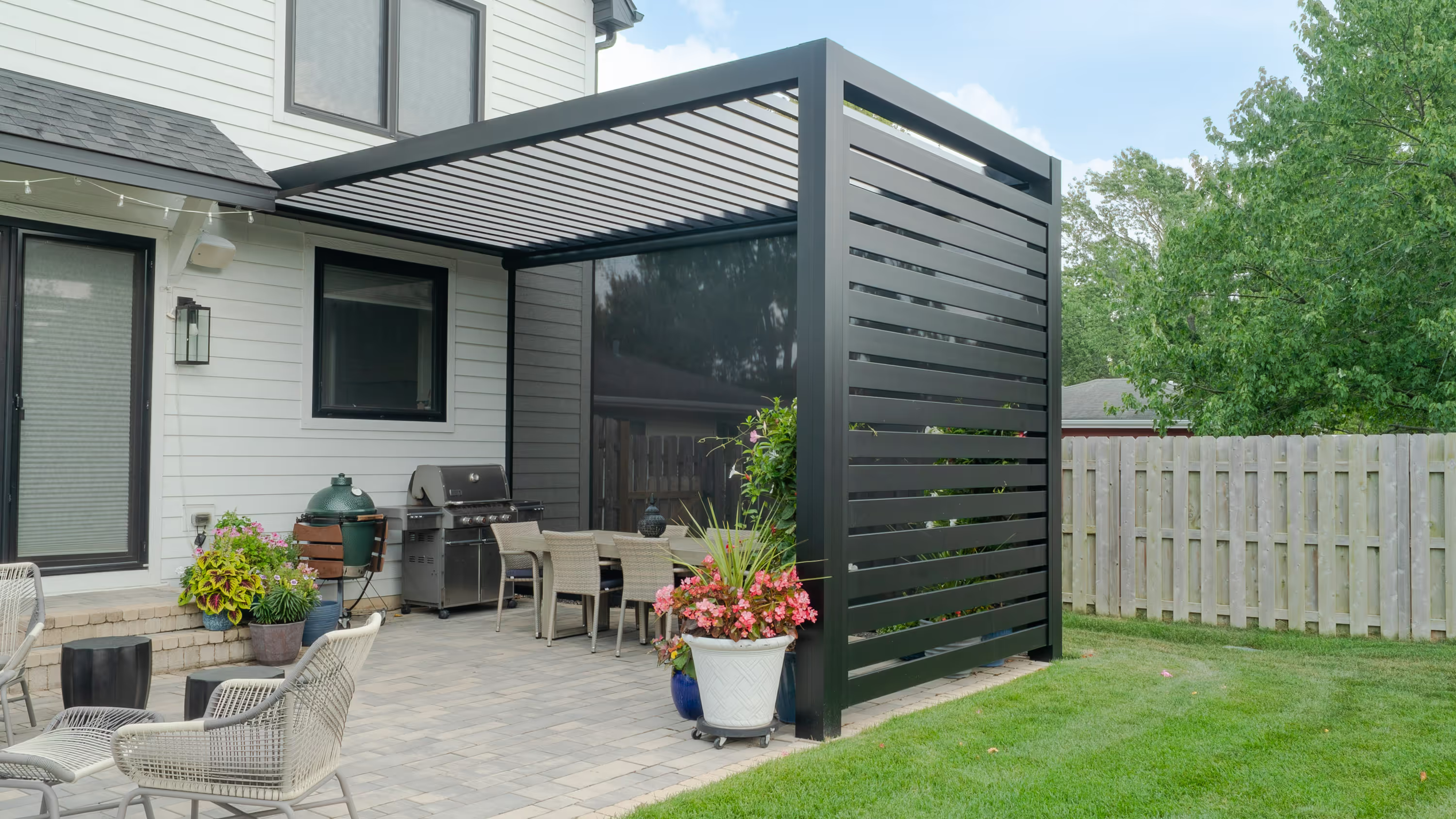
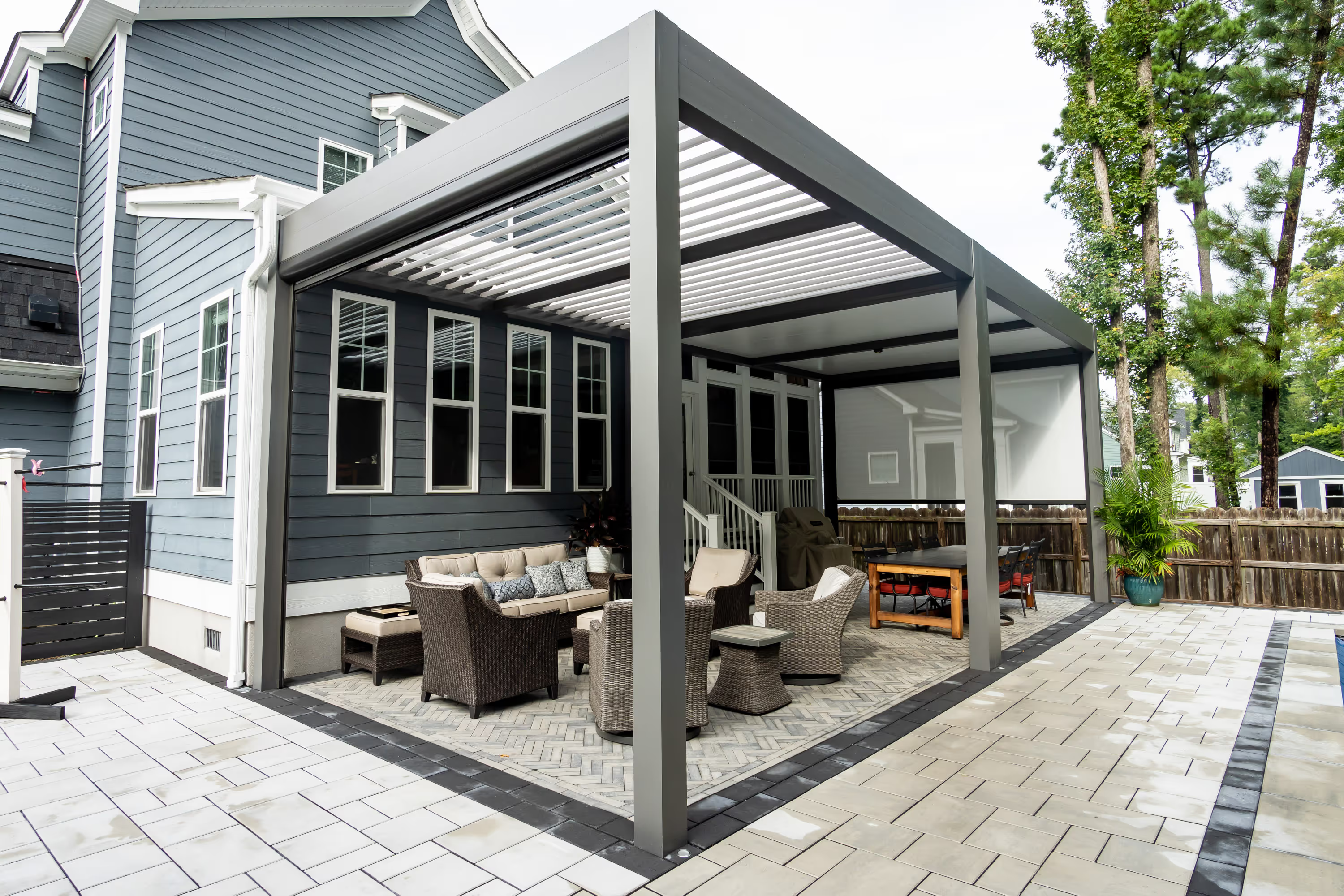
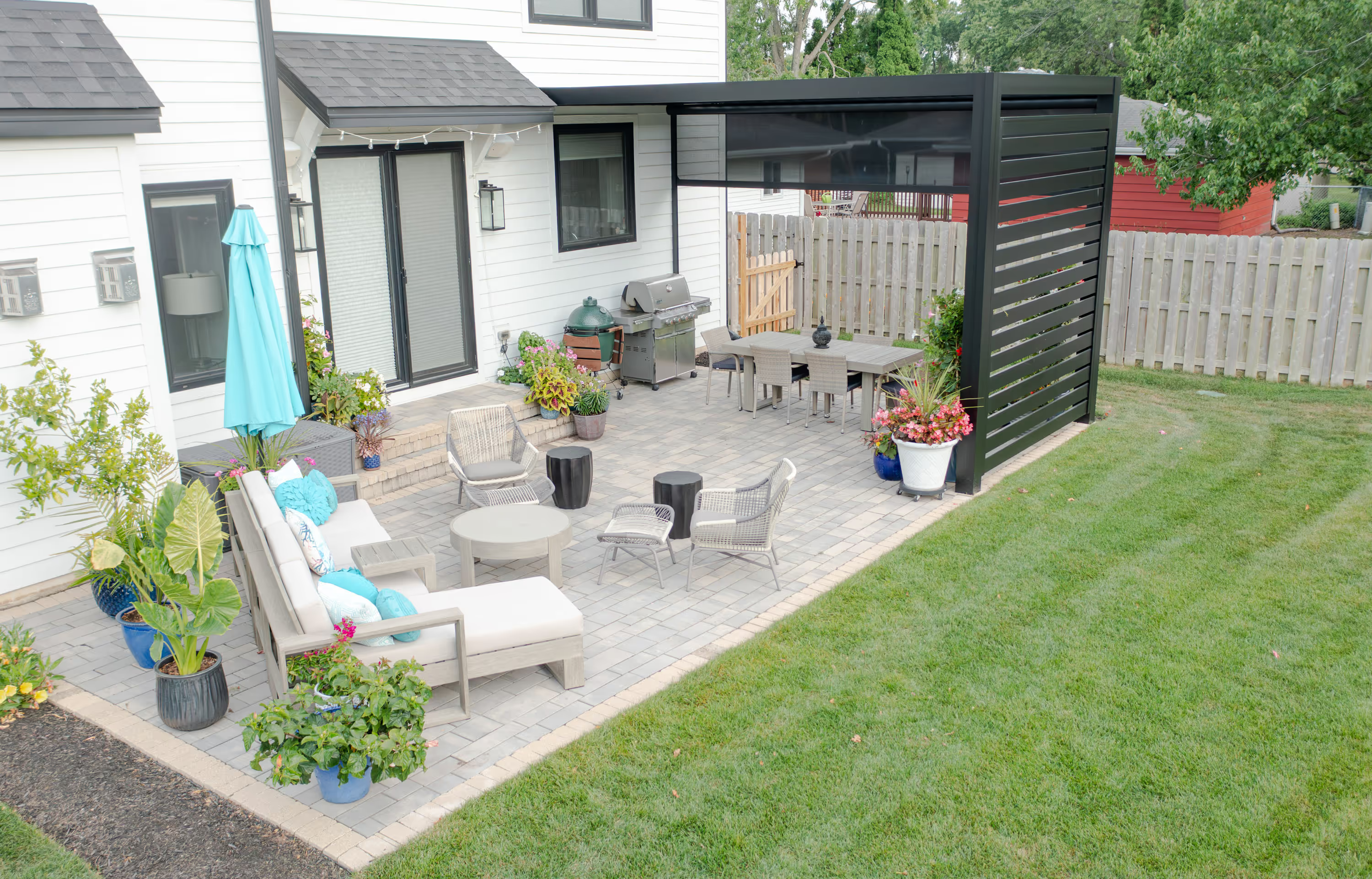
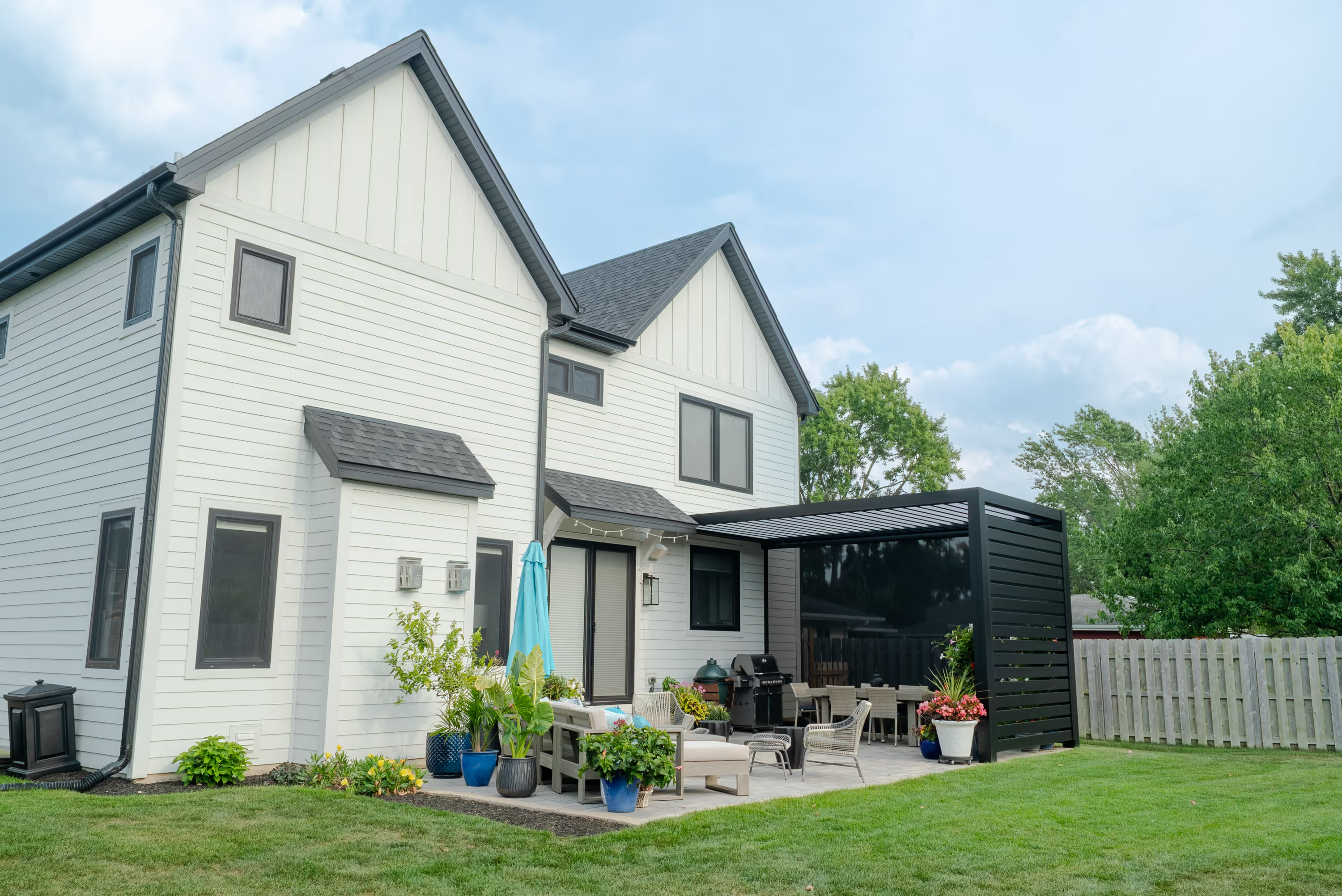
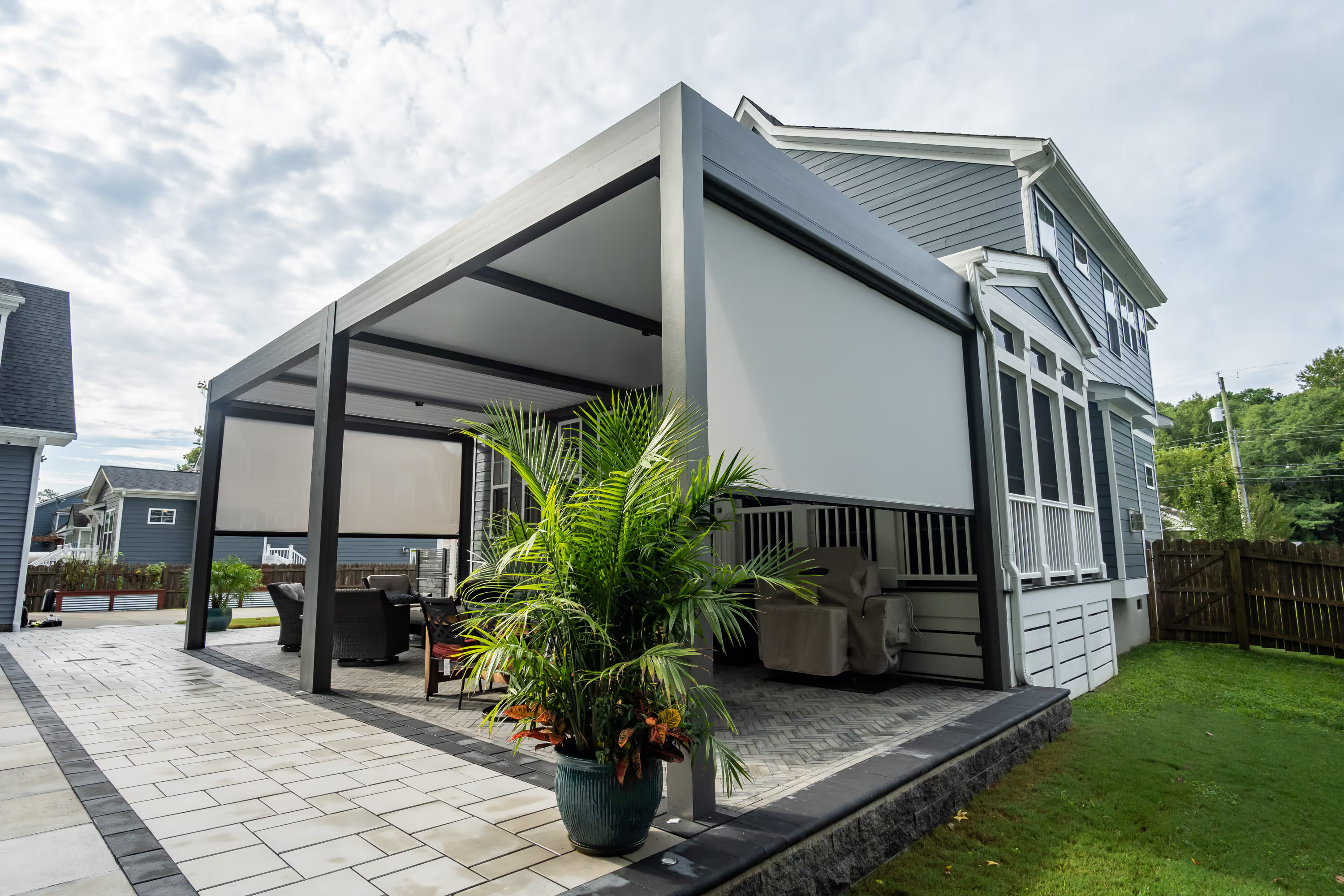
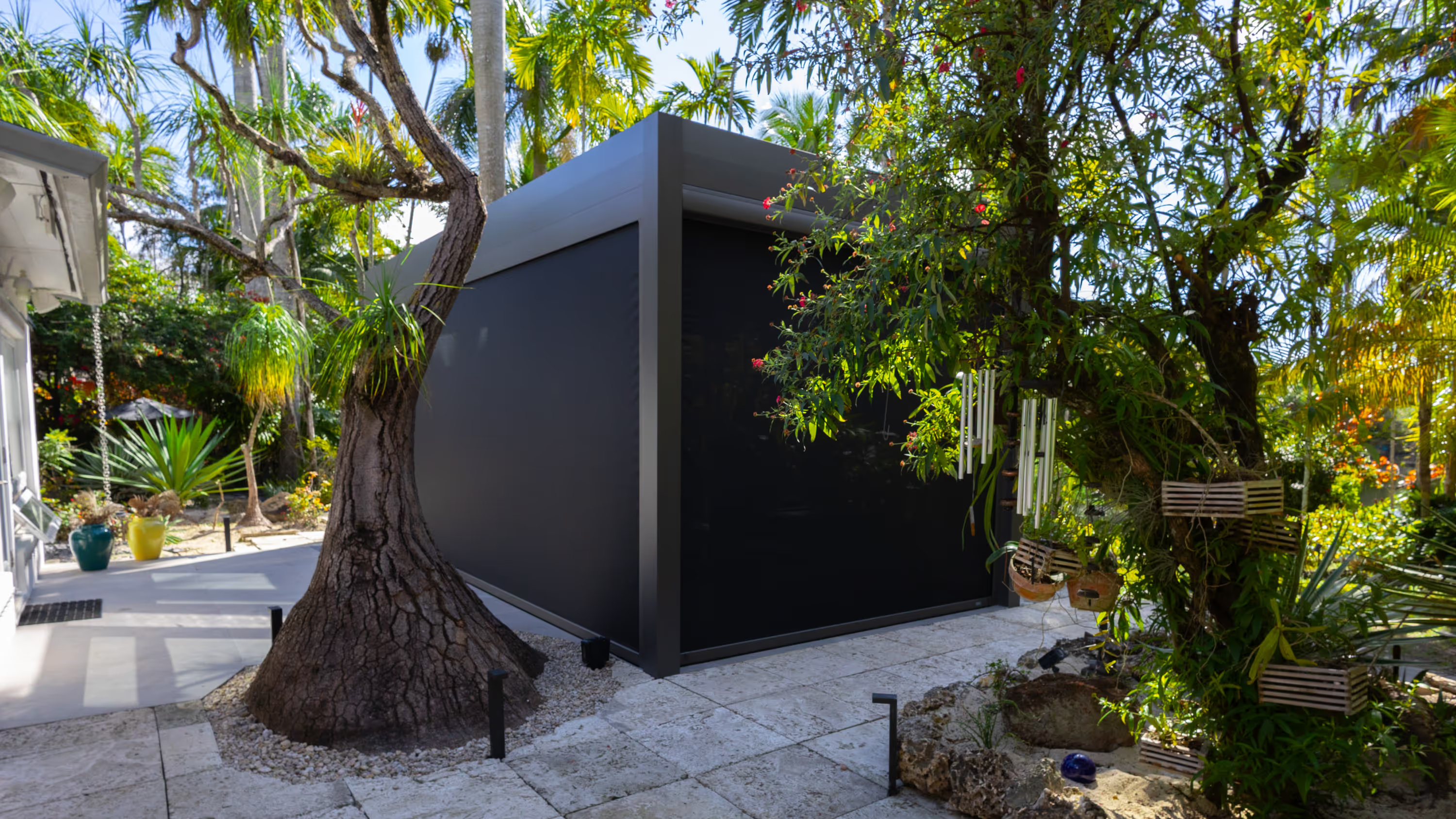
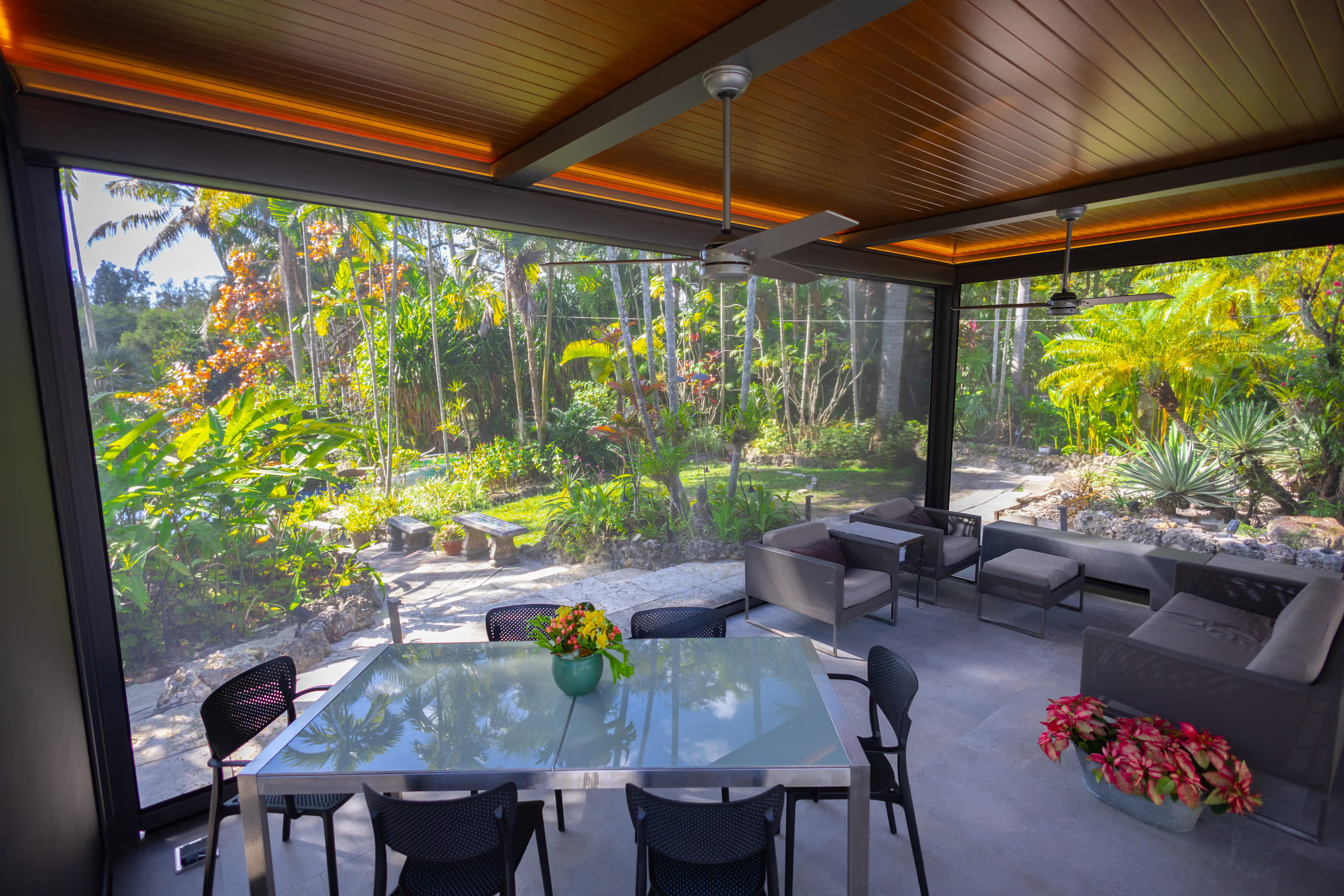
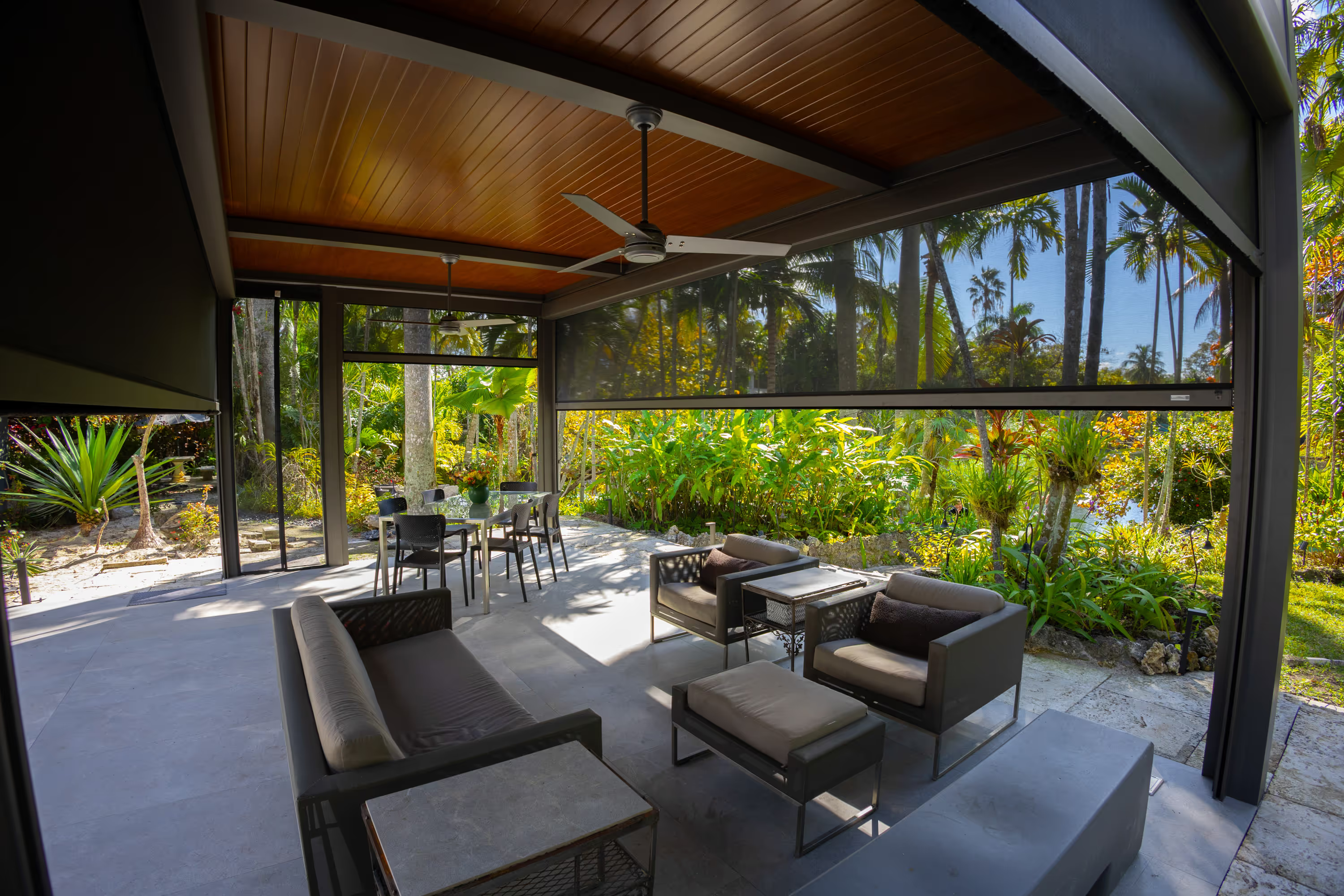
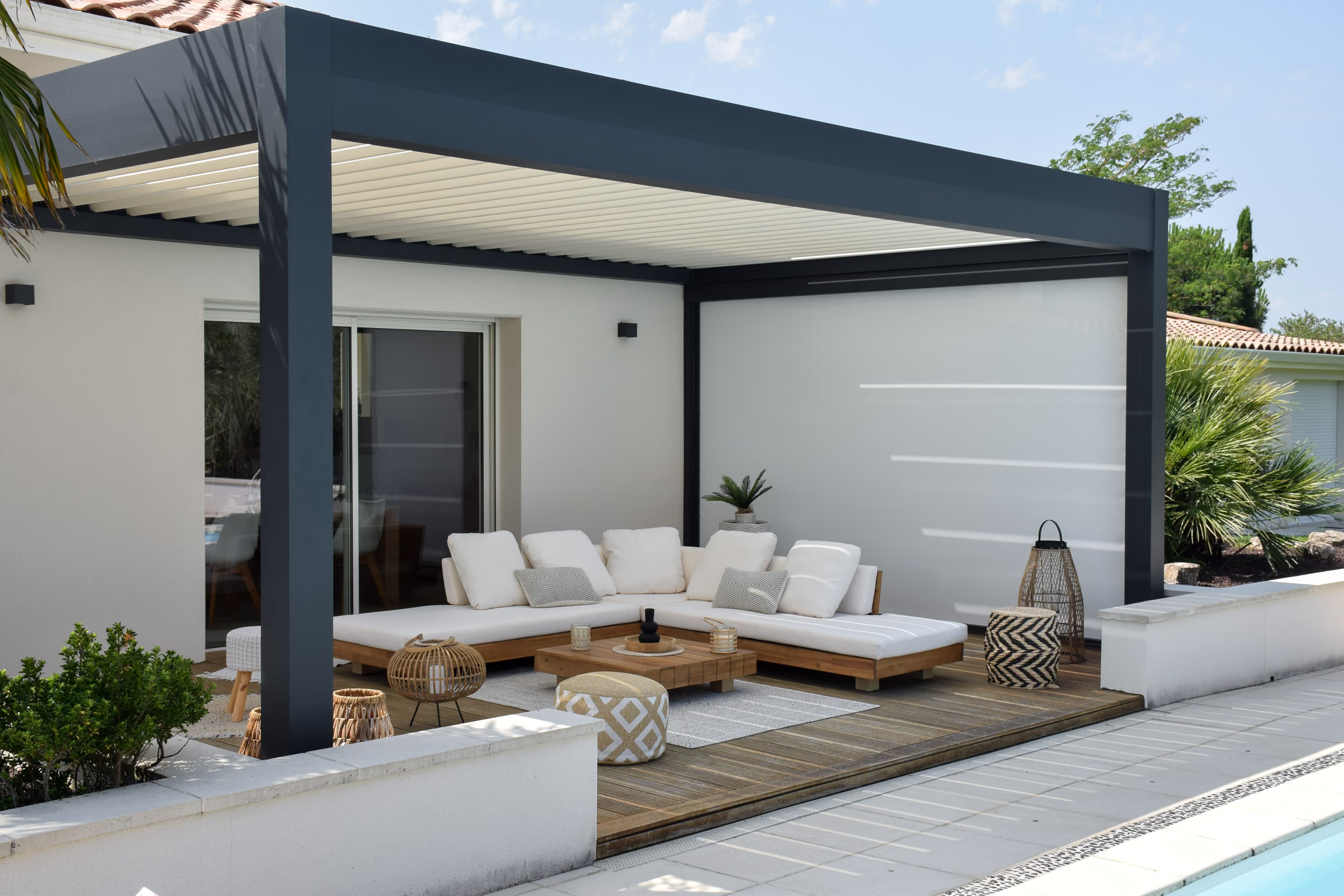
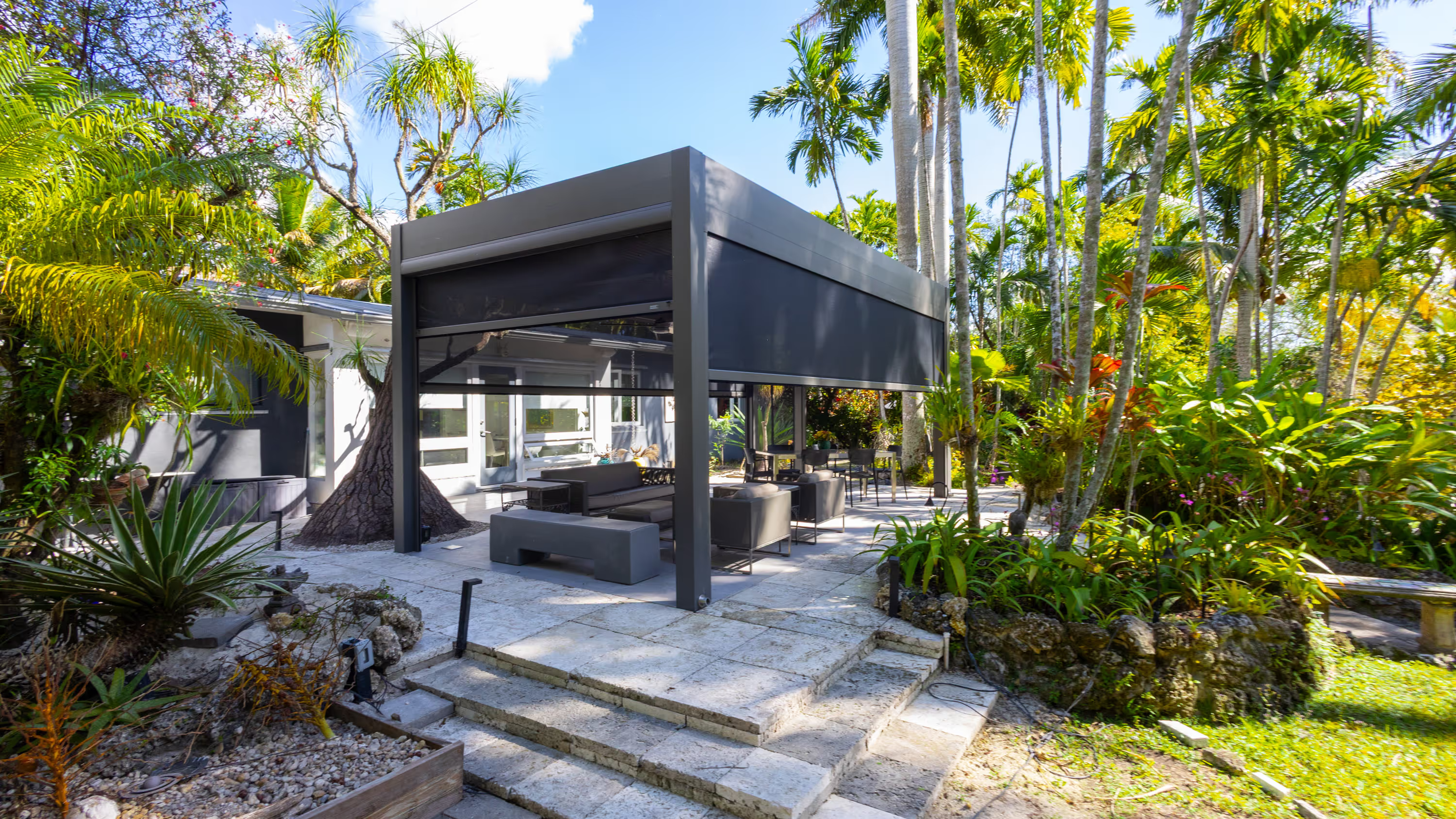
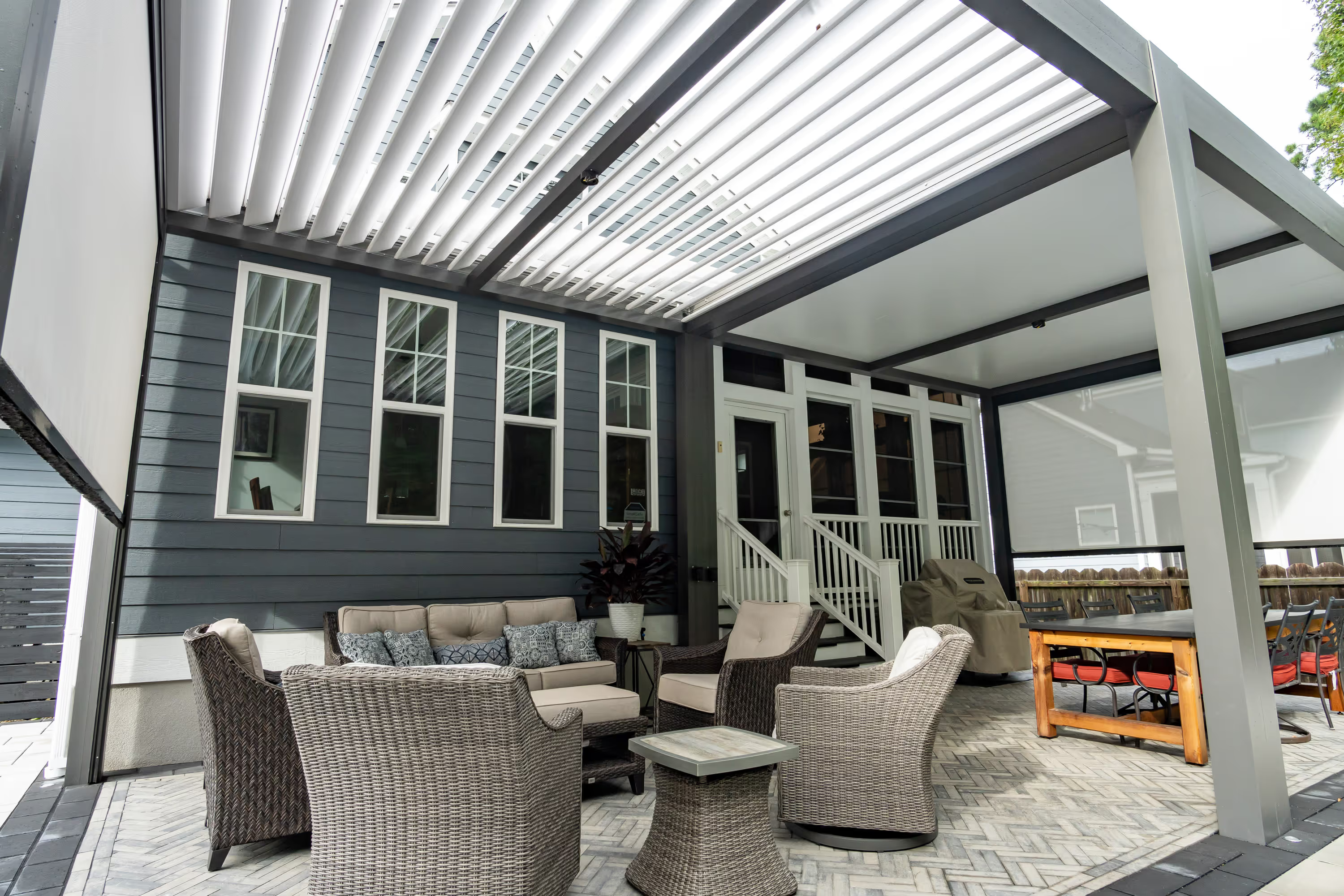
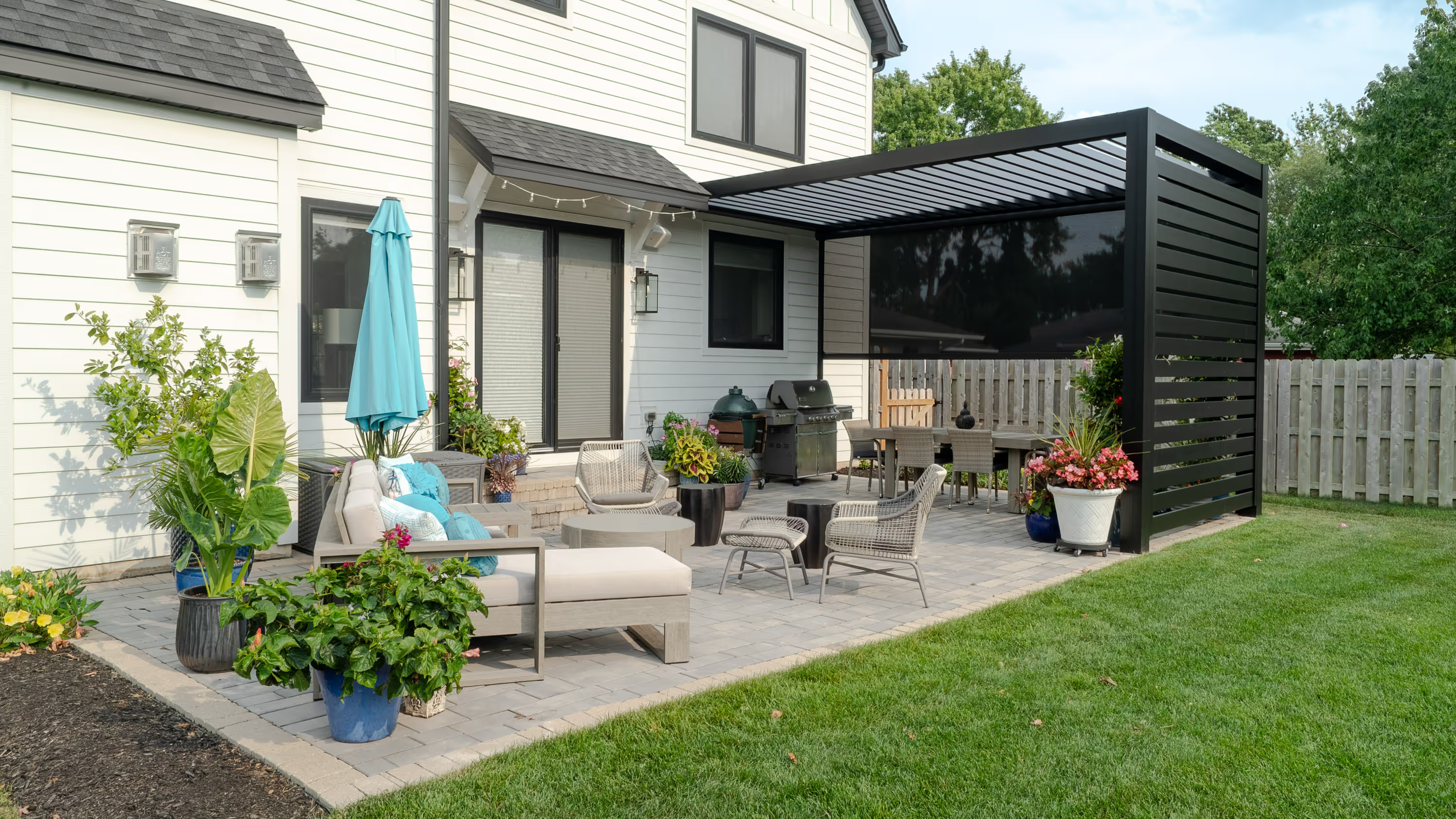
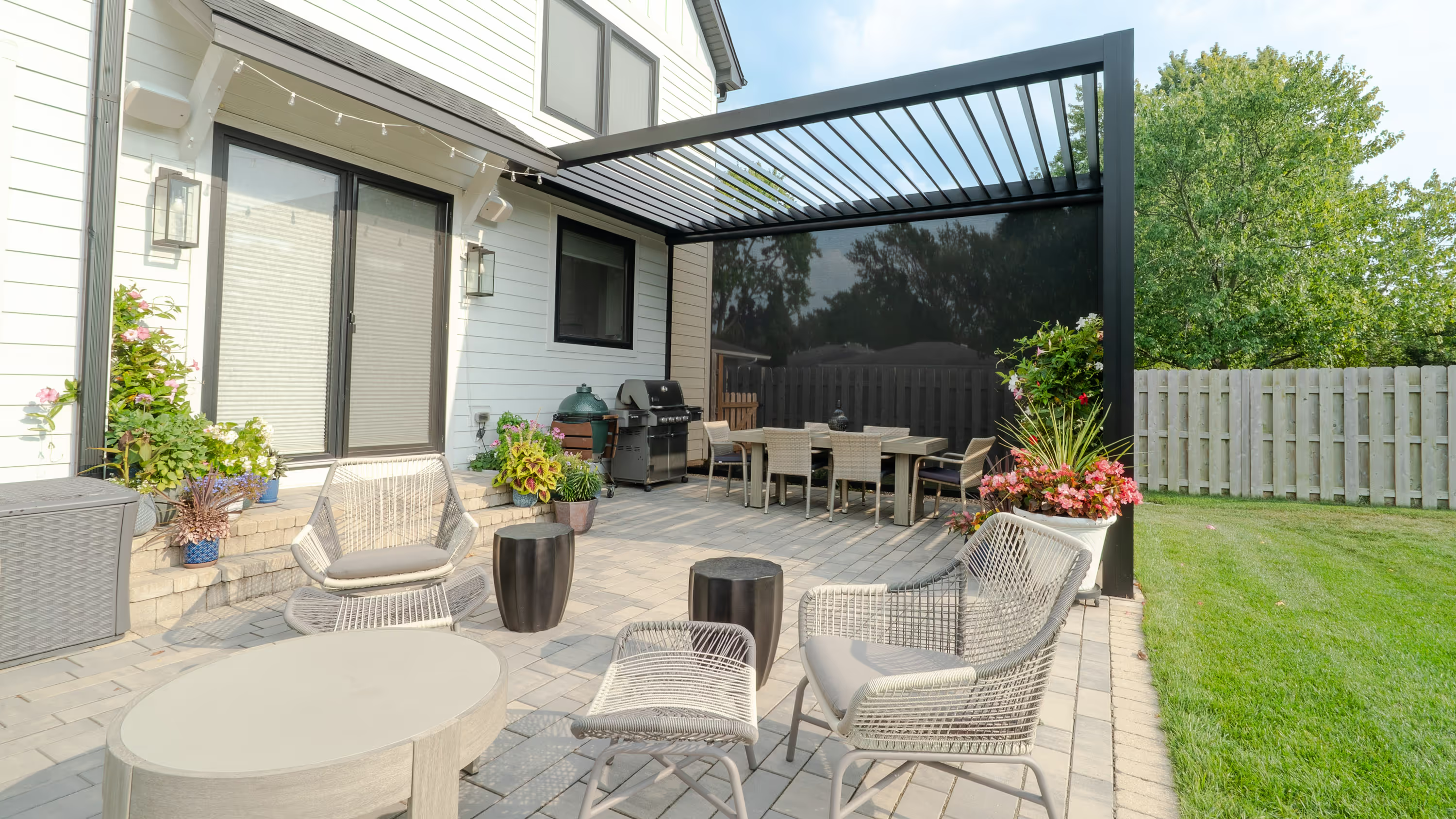
FSI installs motorized screens and retractable awnings for Puget Sound homeowners who want to control sun, wind, bugs, and rain without giving up the outdoor feel.
the difference
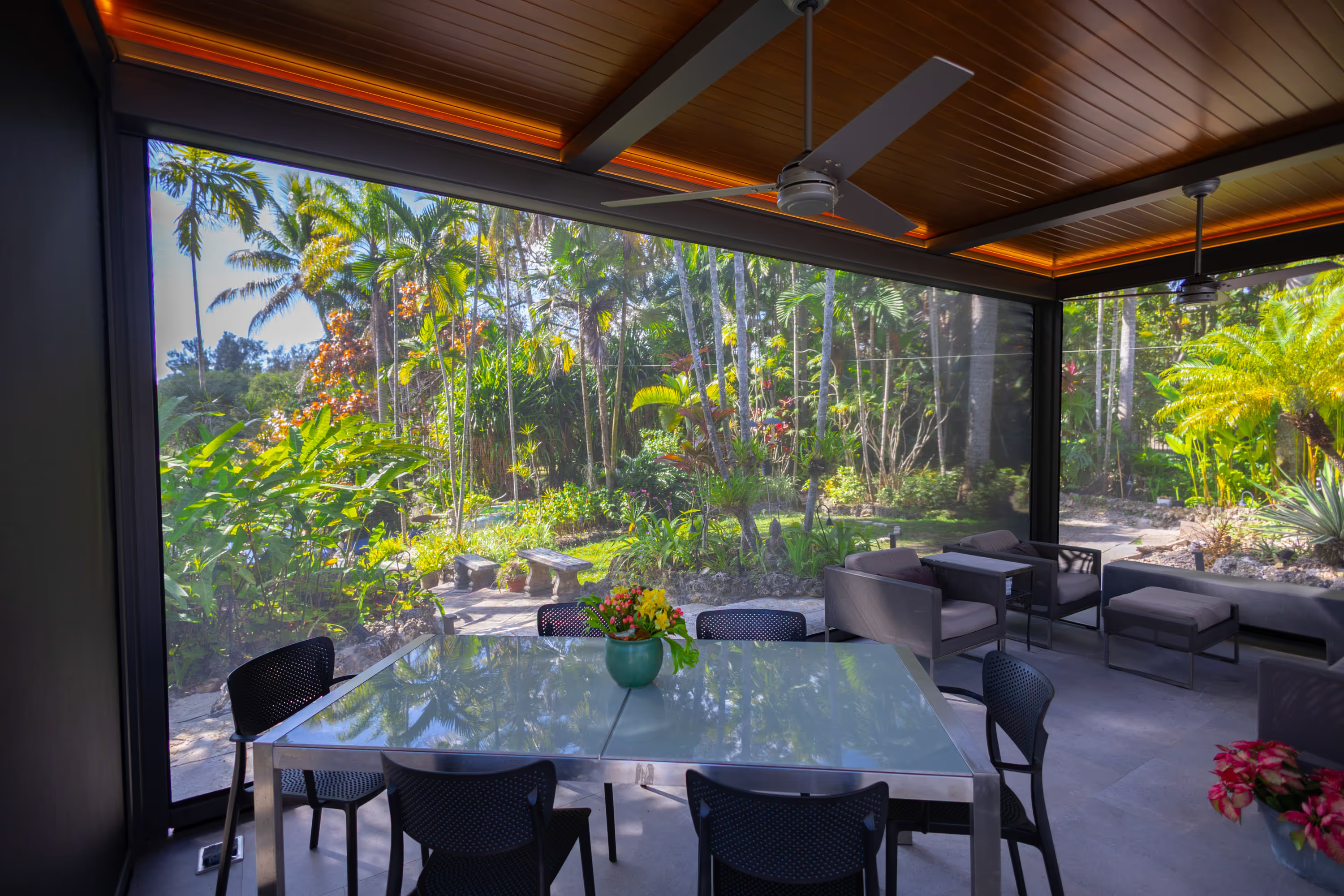
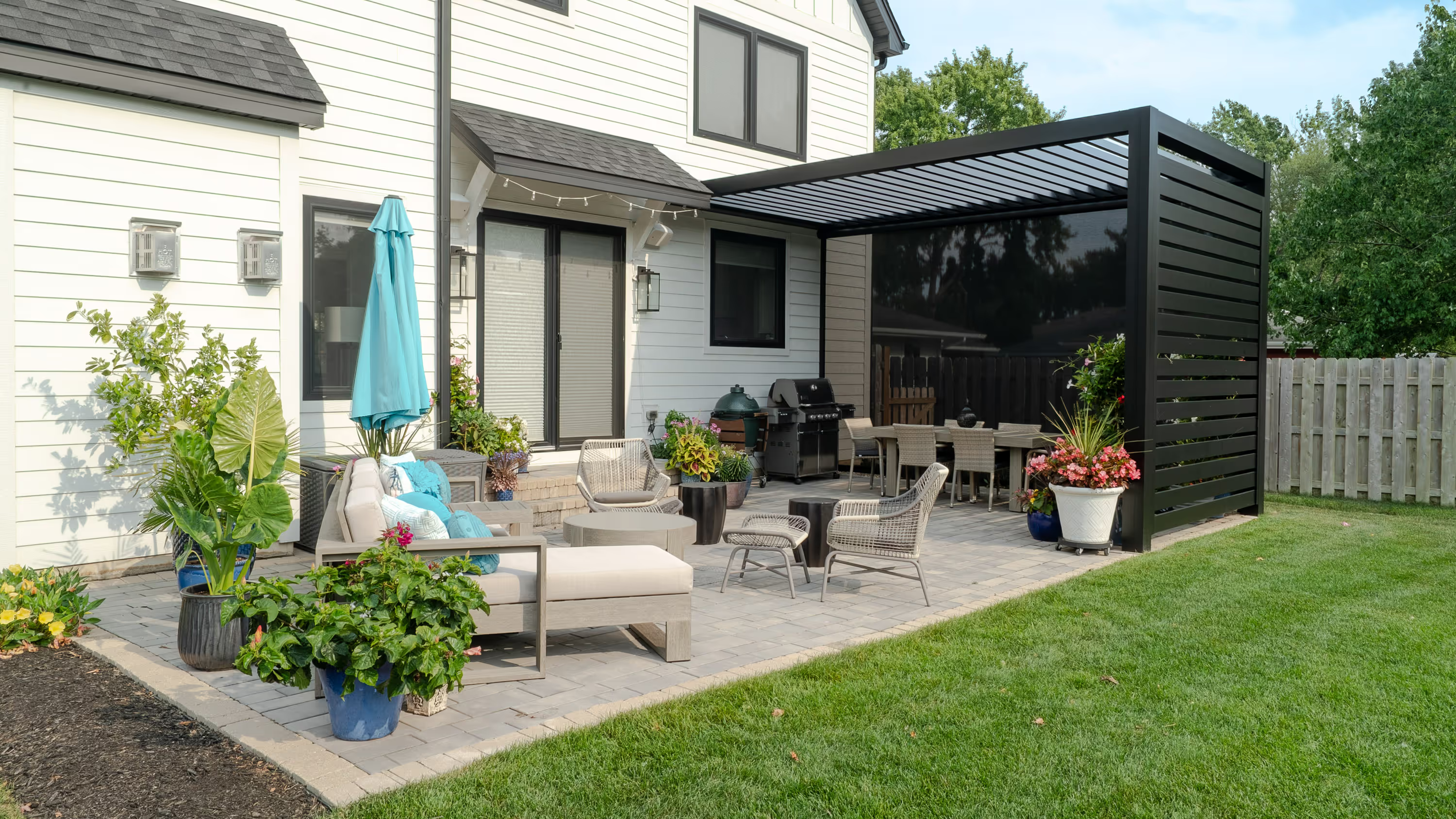
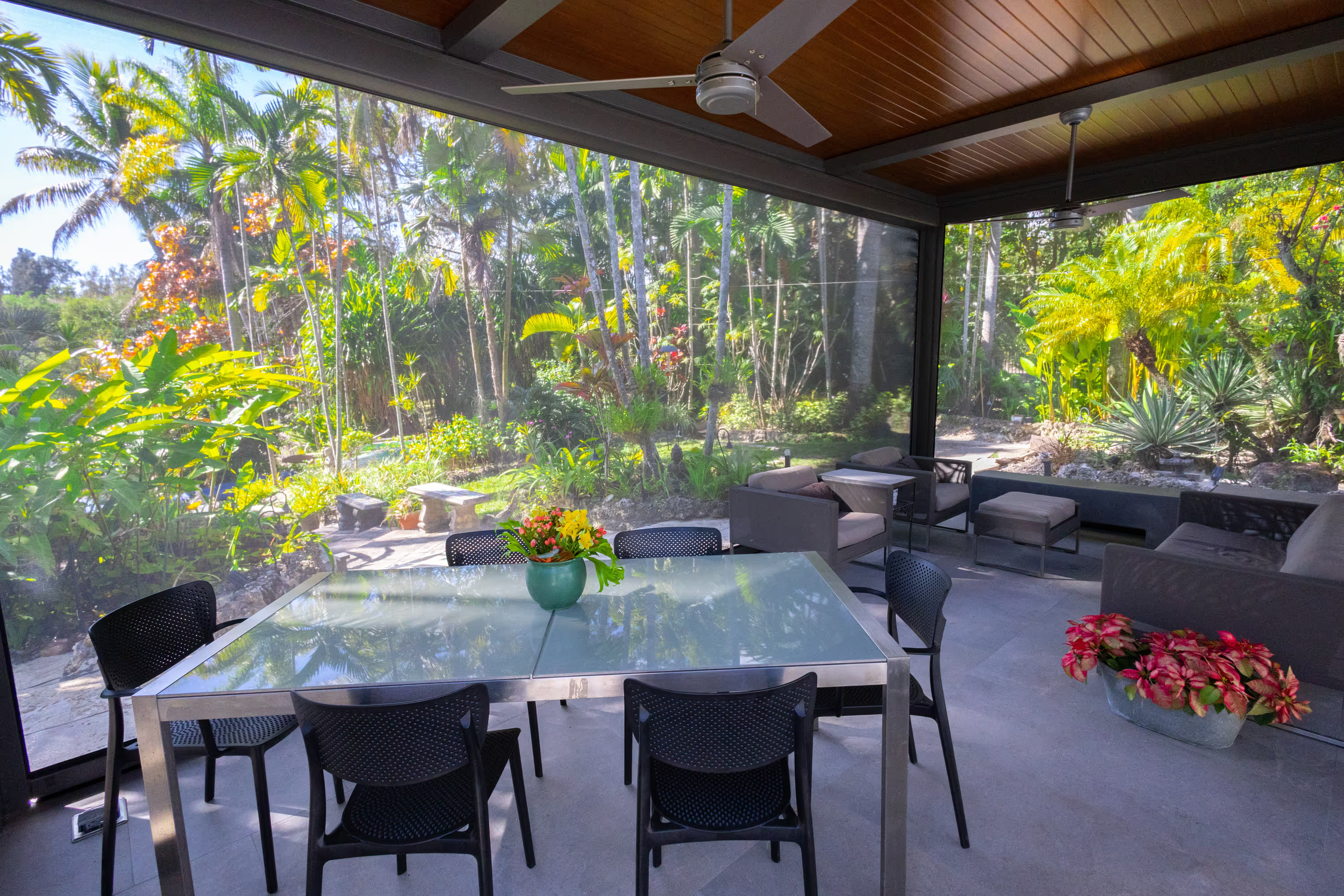
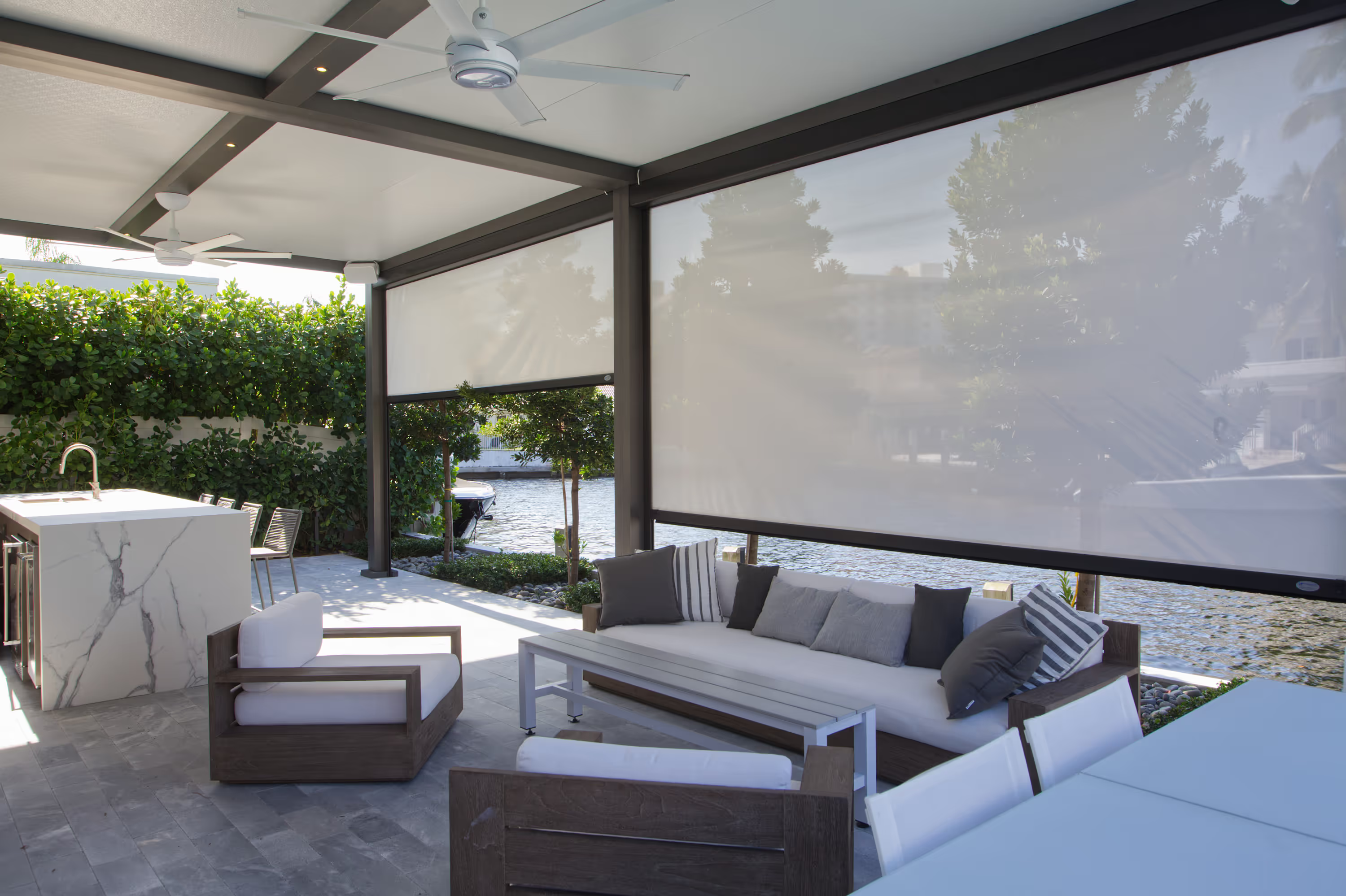
Most Puget Sound homeowners lose their outdoor space to rain in October, bugs in May, and glare every July afternoon. FSI installs motorized screens and retractable awnings that handle all three so your outdoor space stays usable every month of the year.
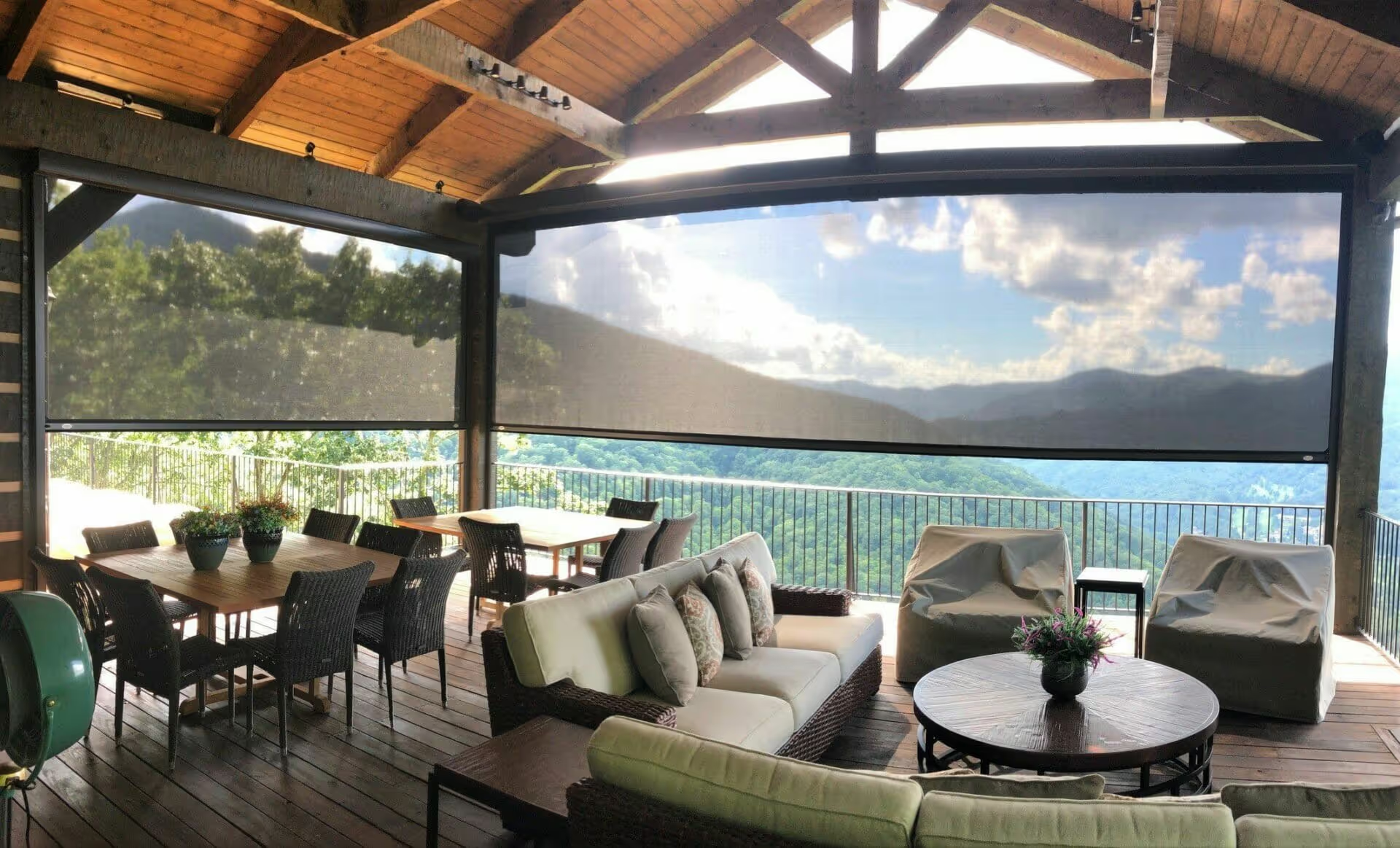
The right solution depends on your space, your structure, and how you use it.

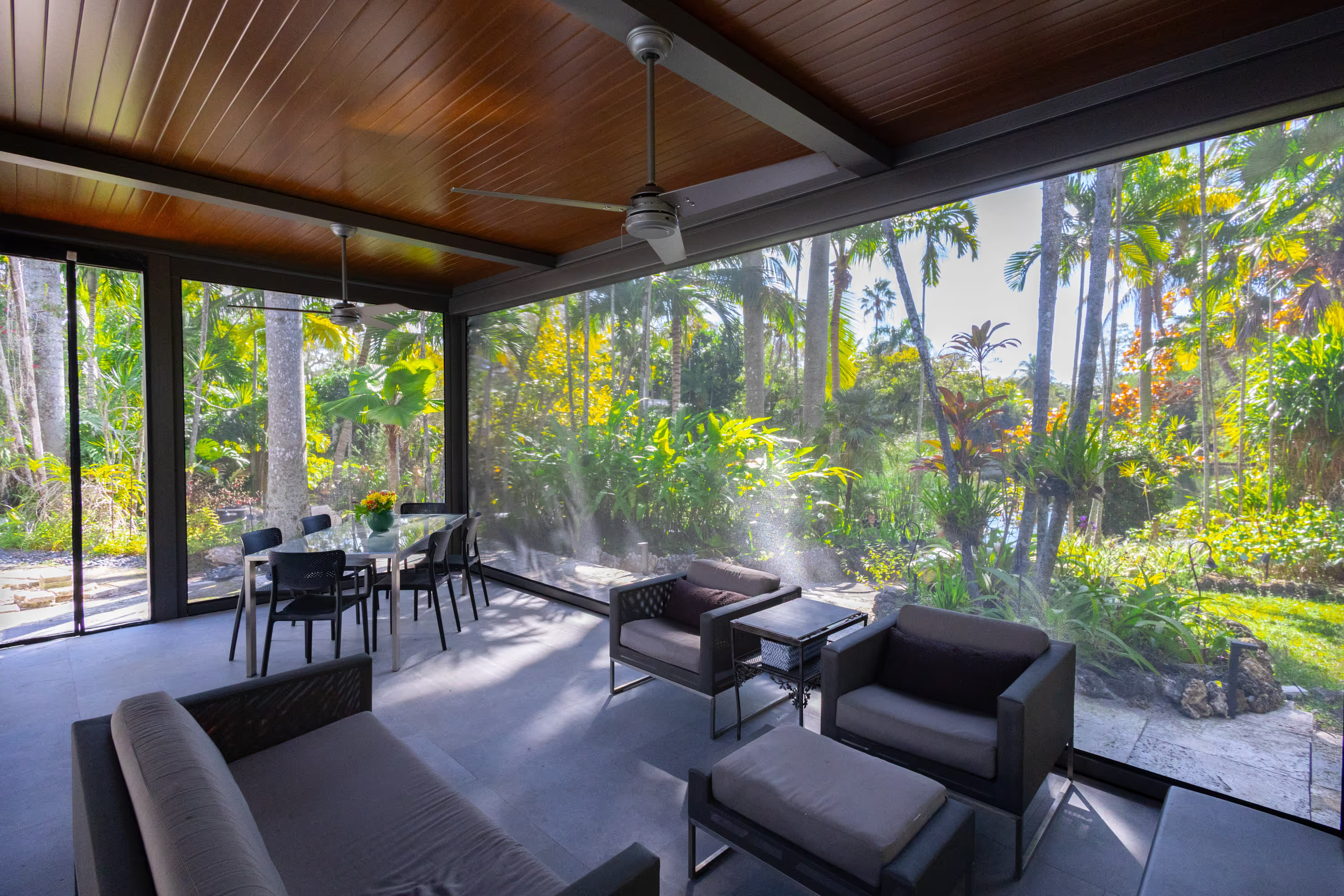
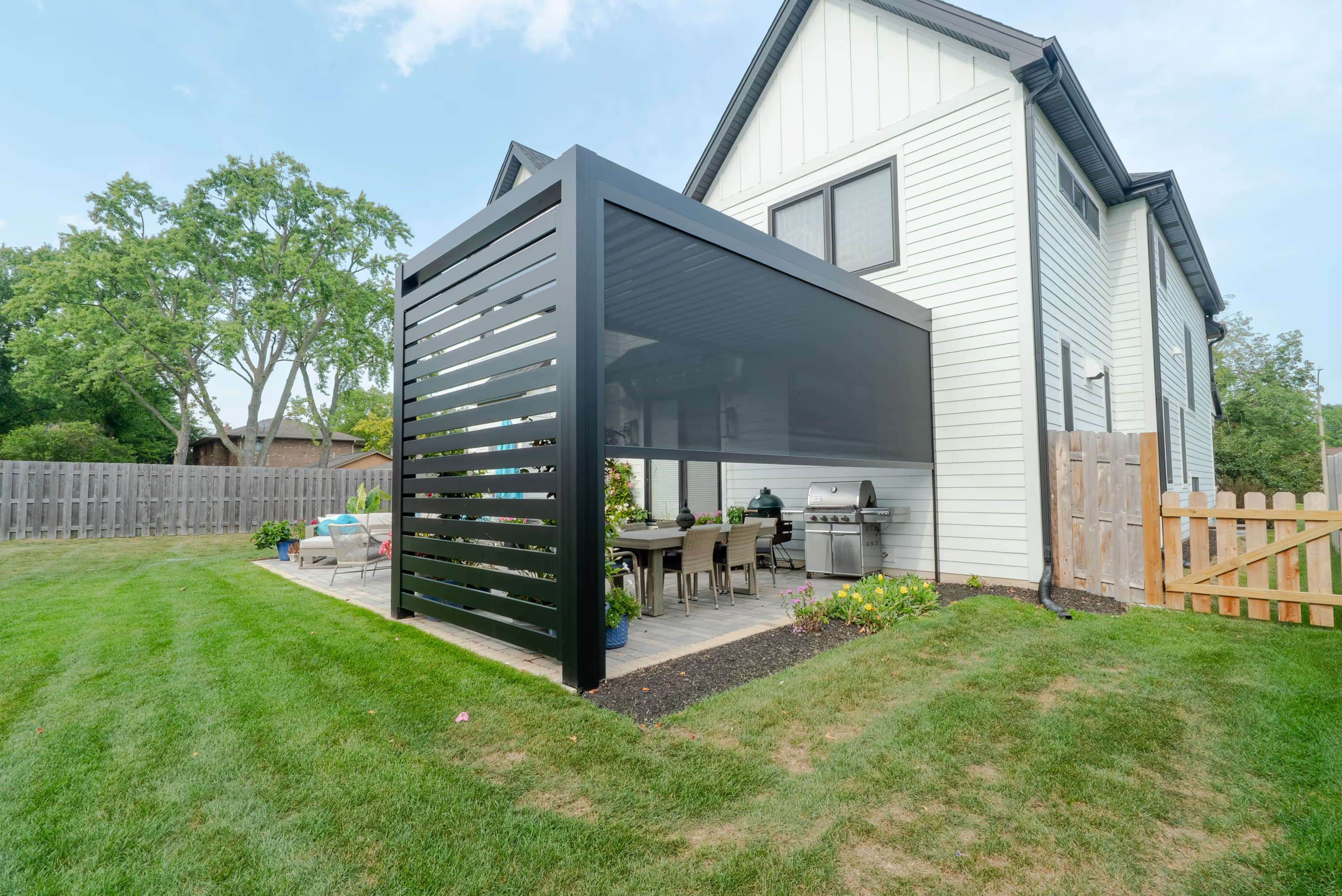
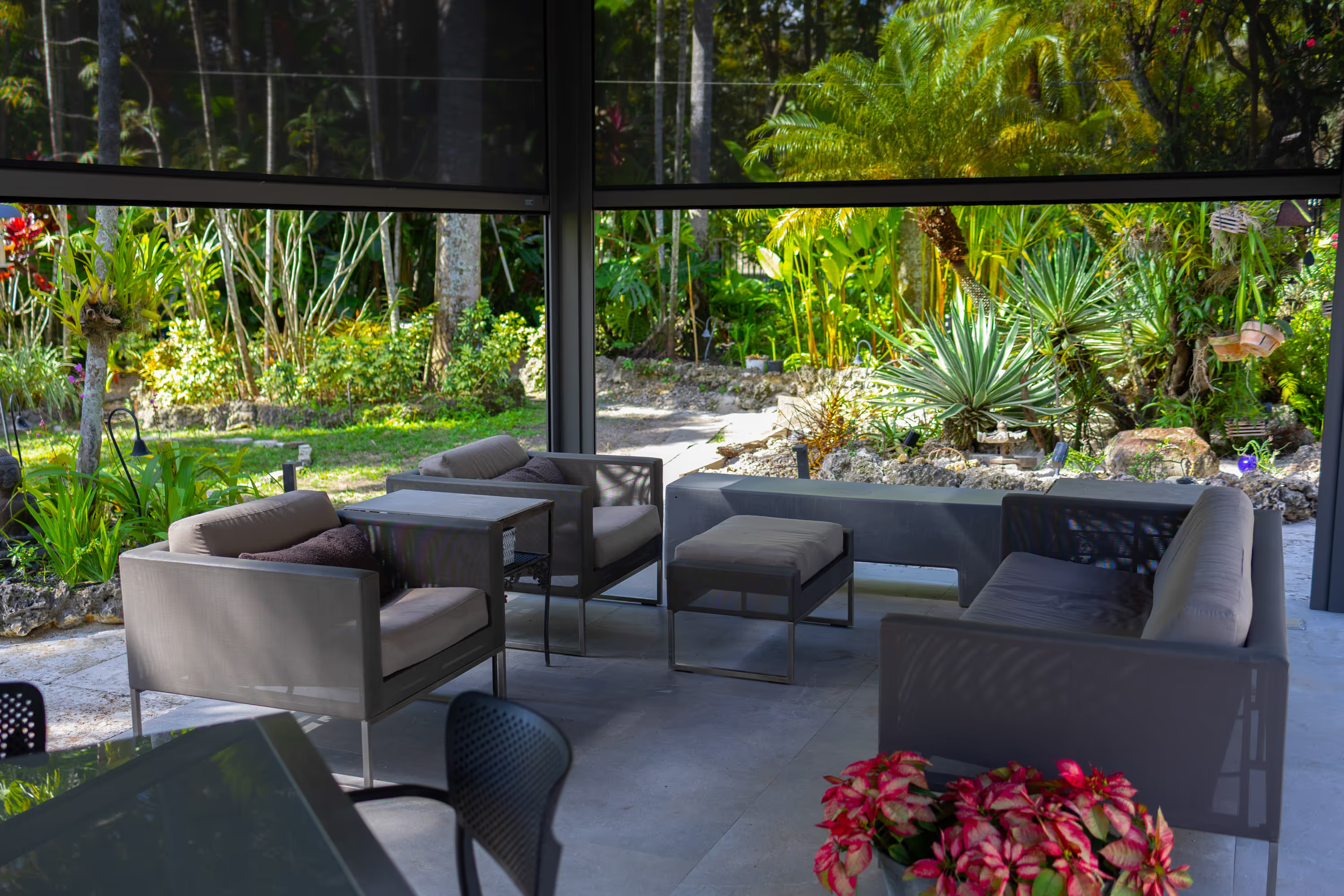
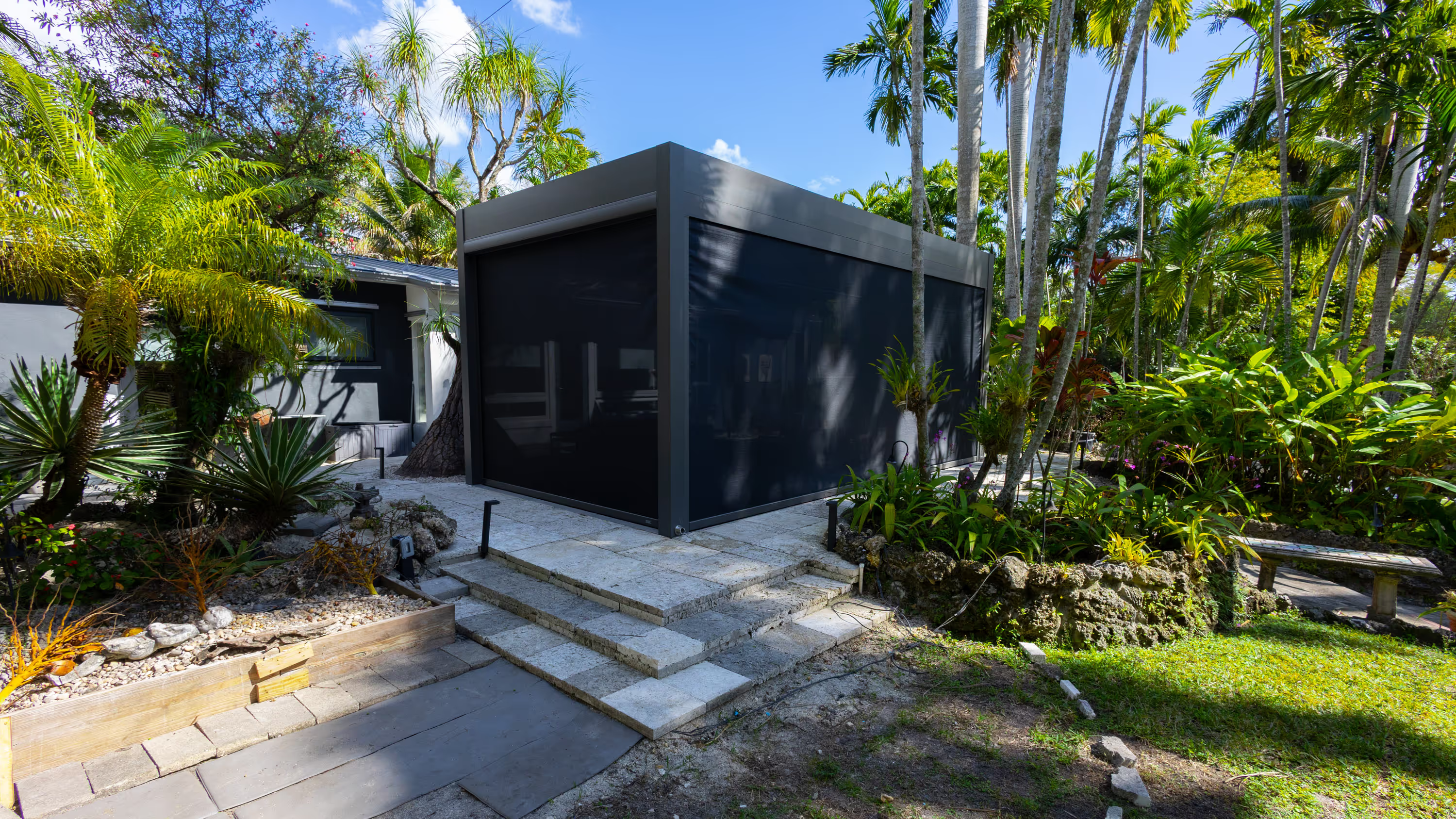
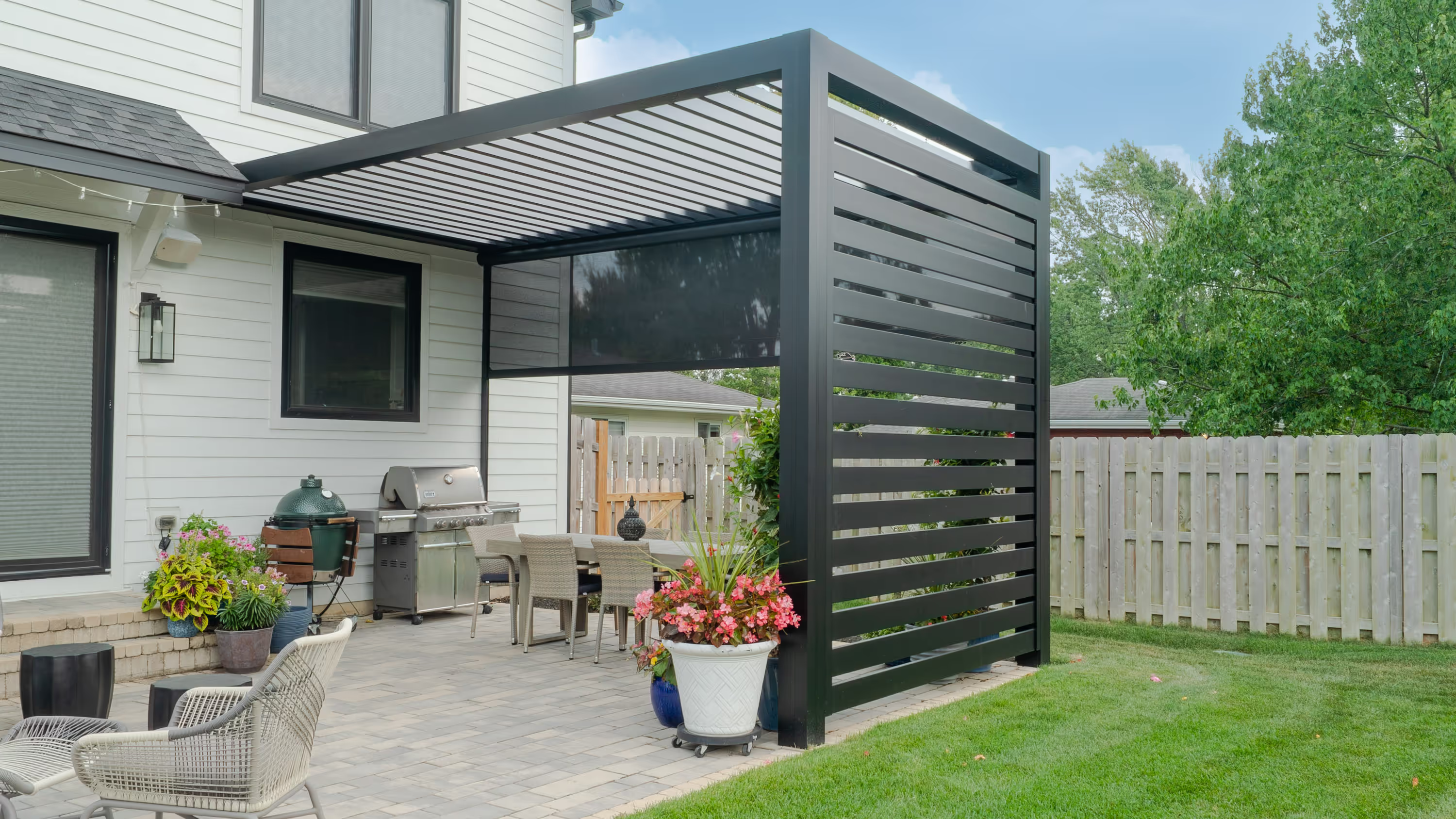
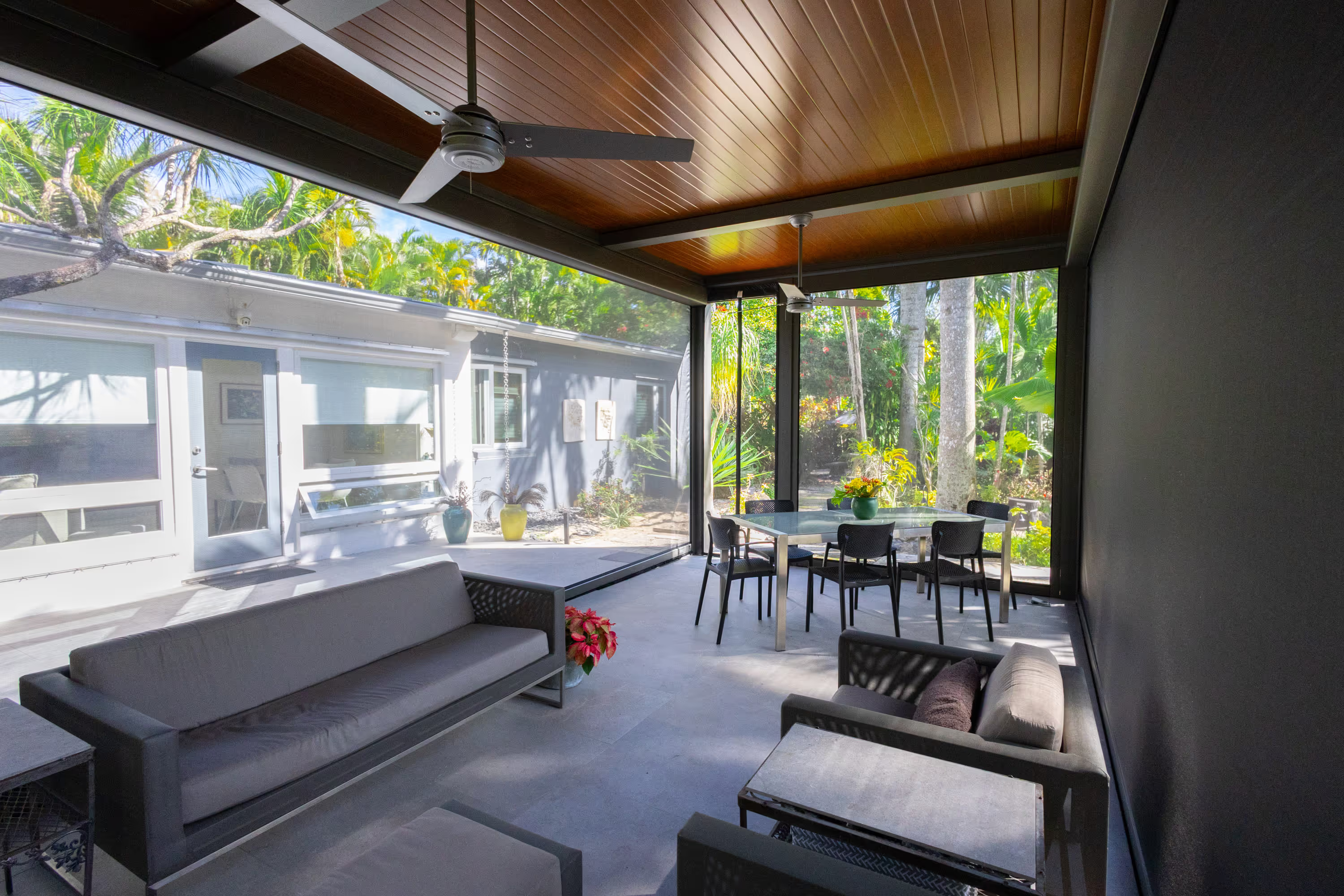
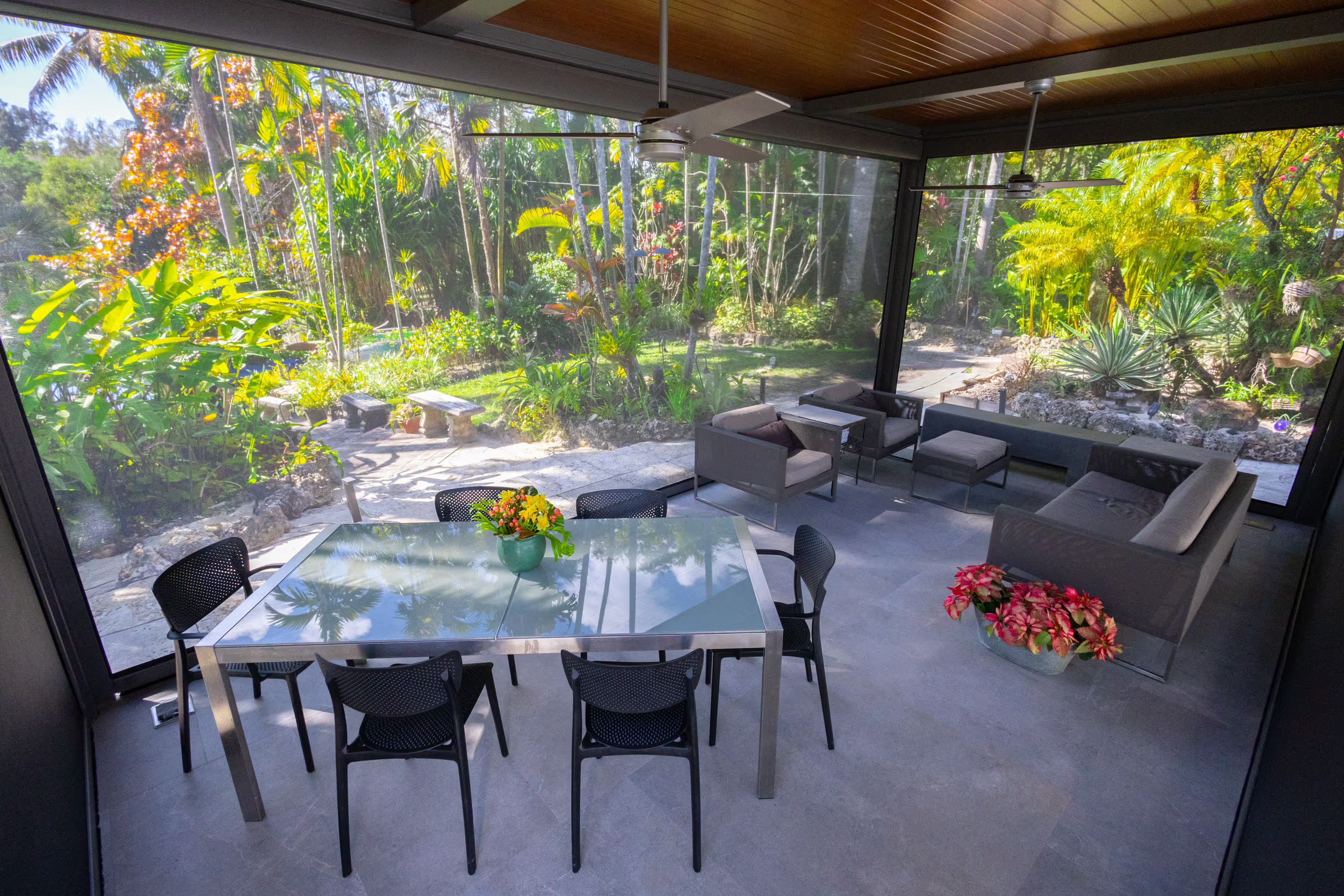
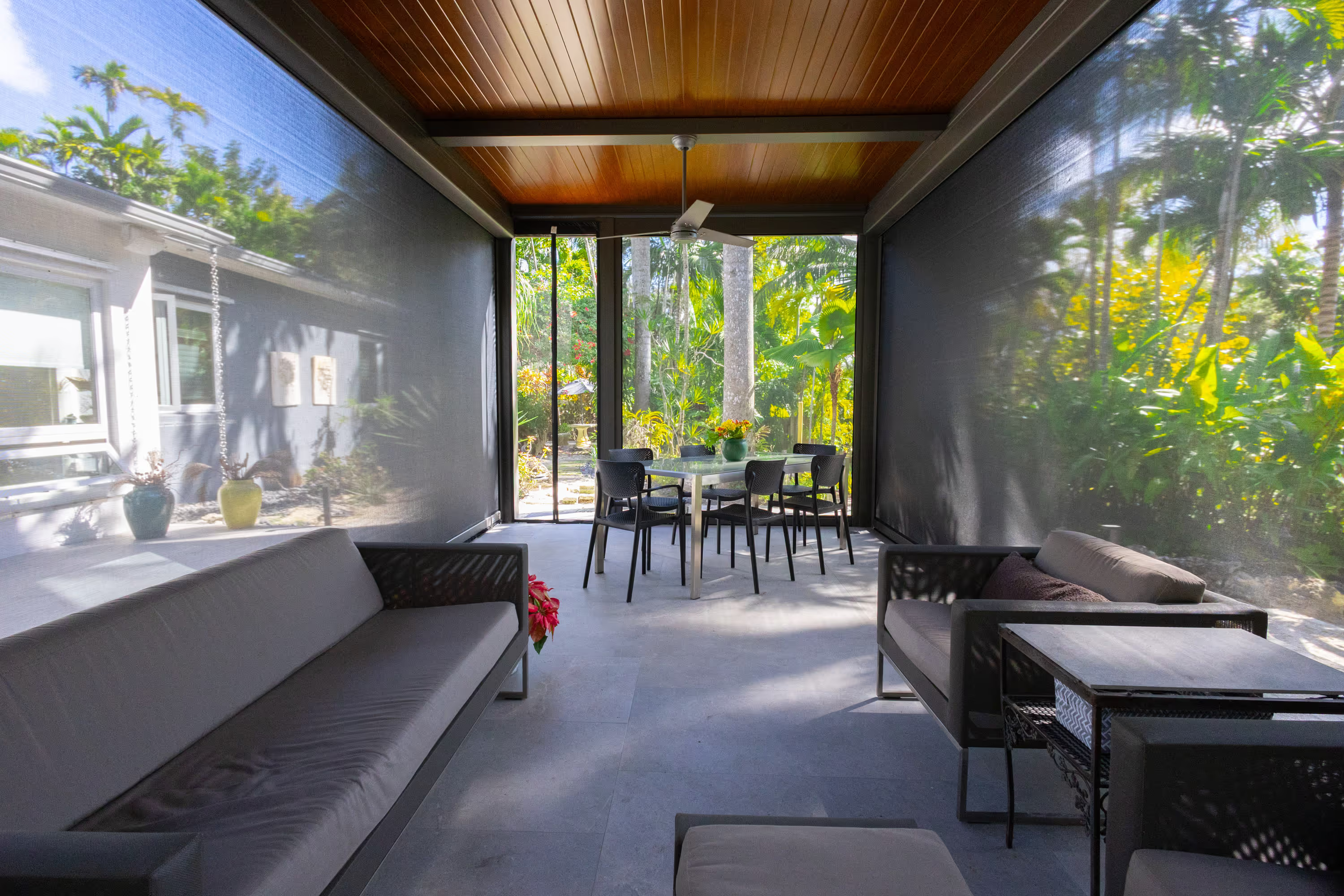
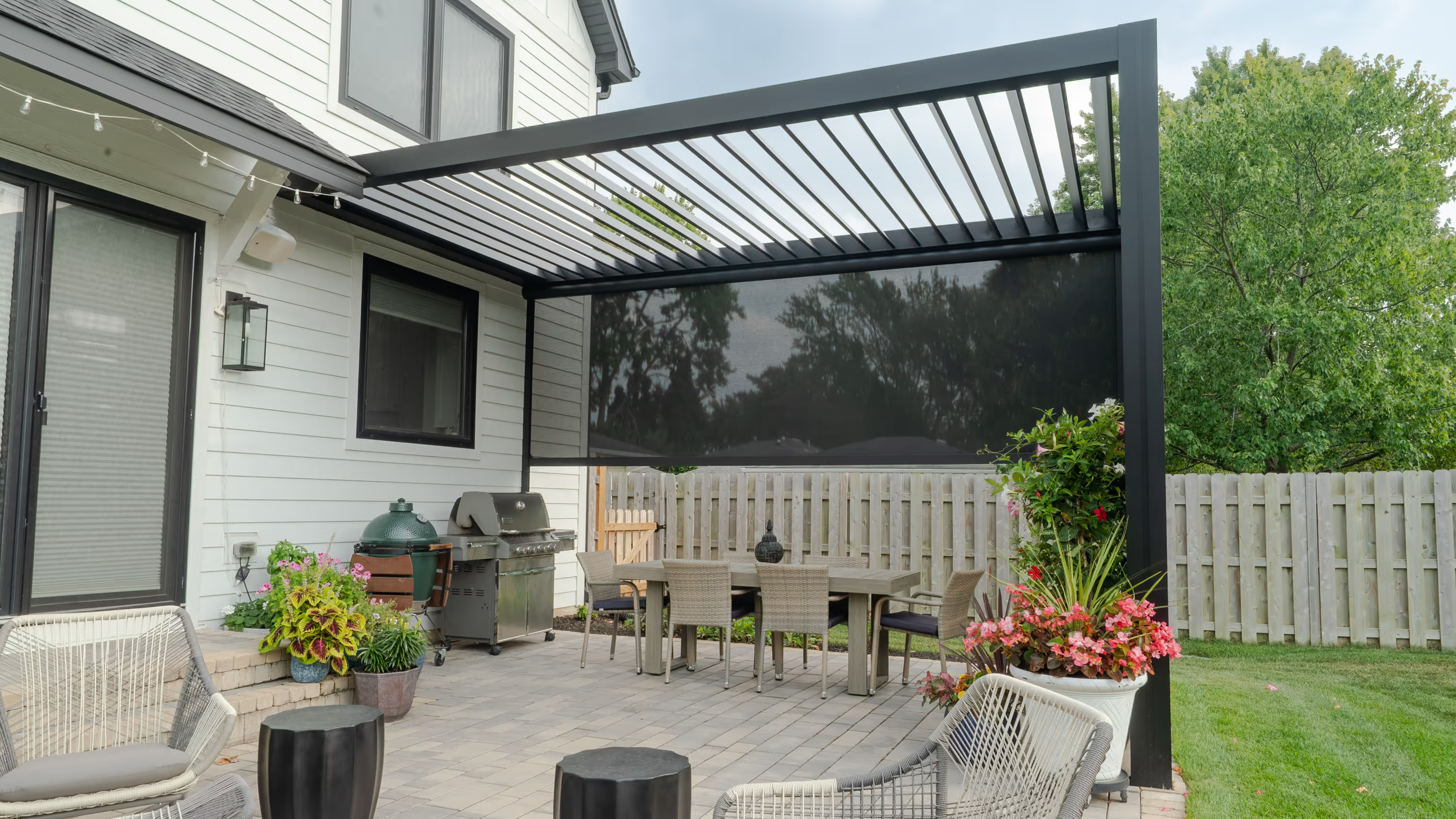
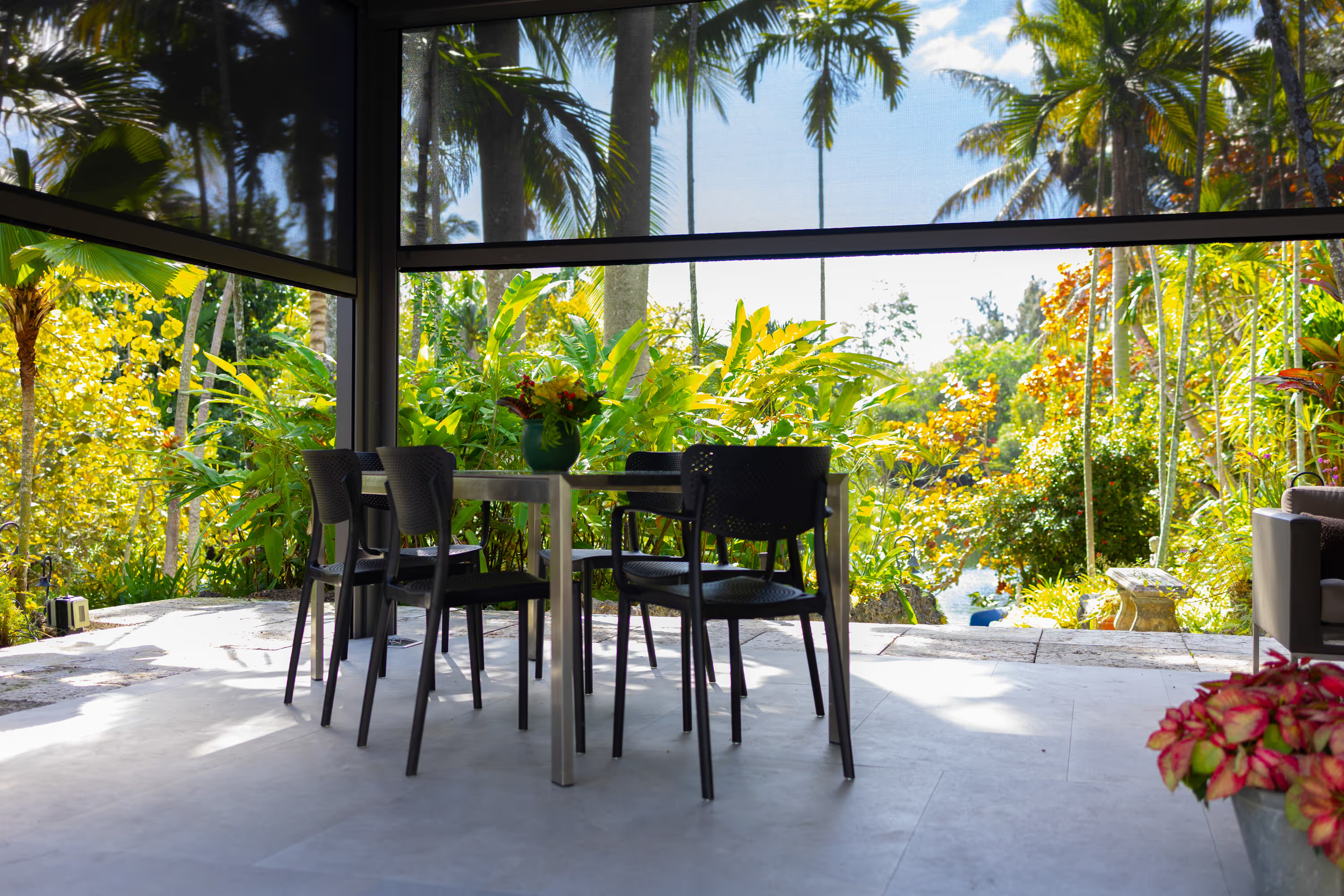
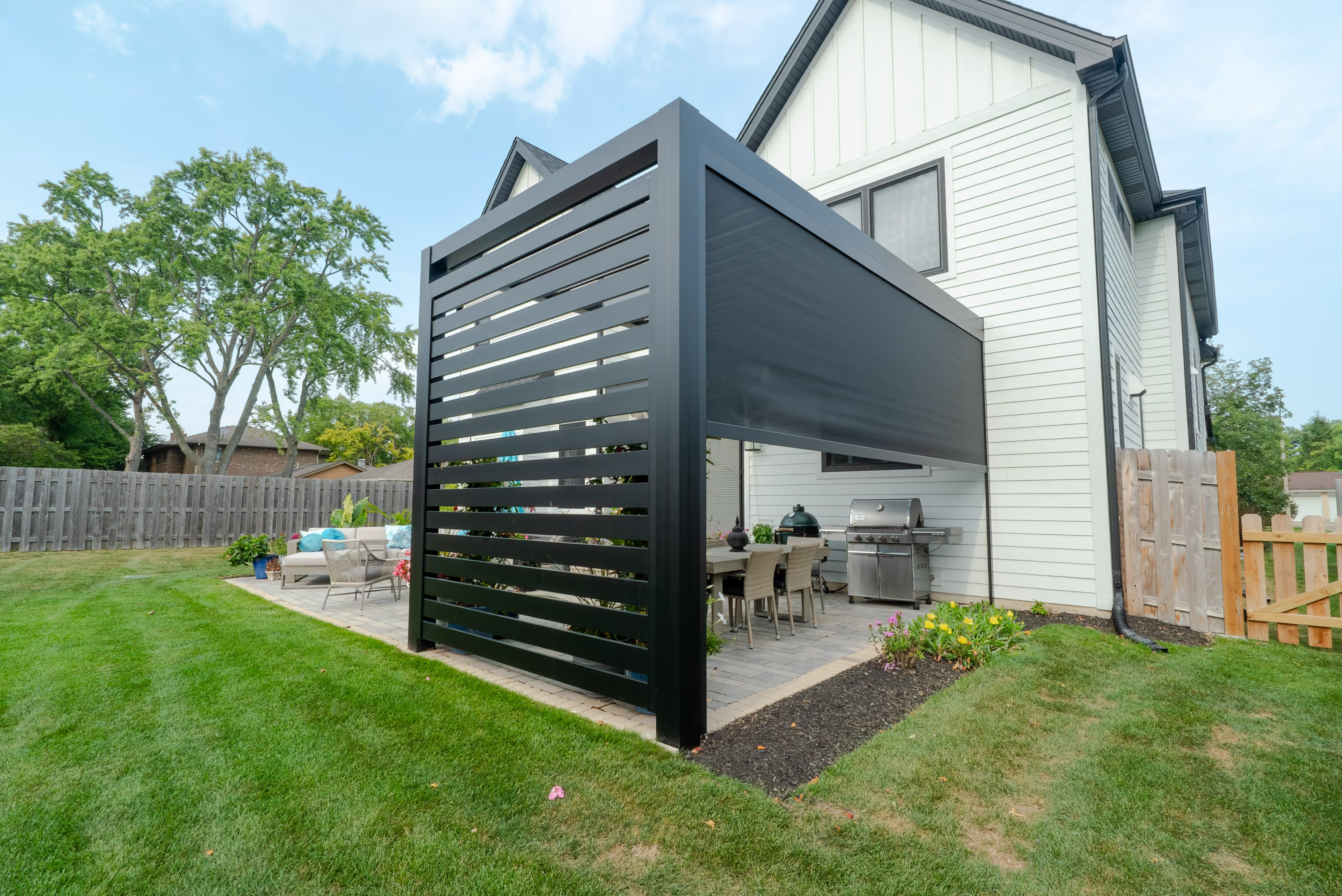
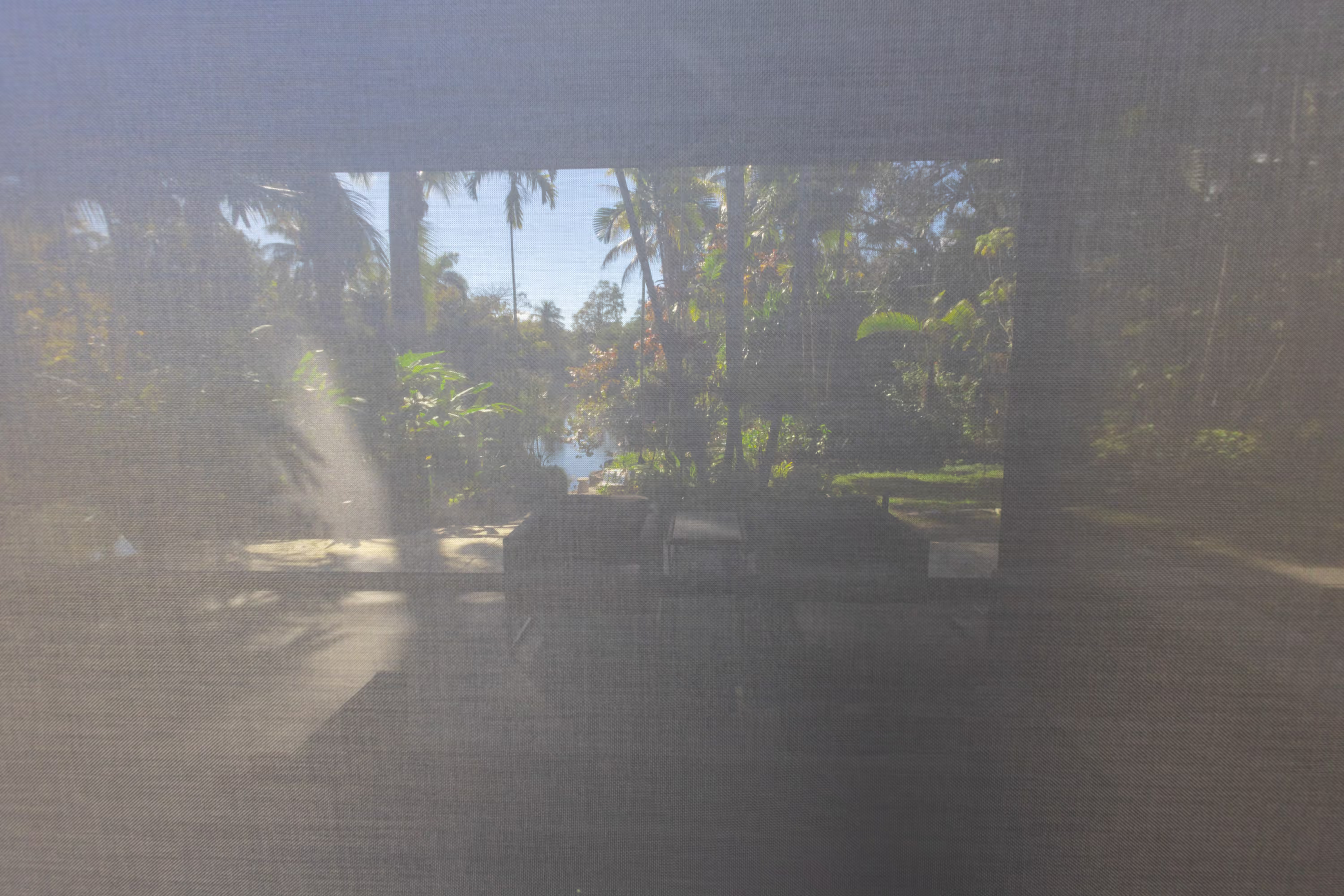
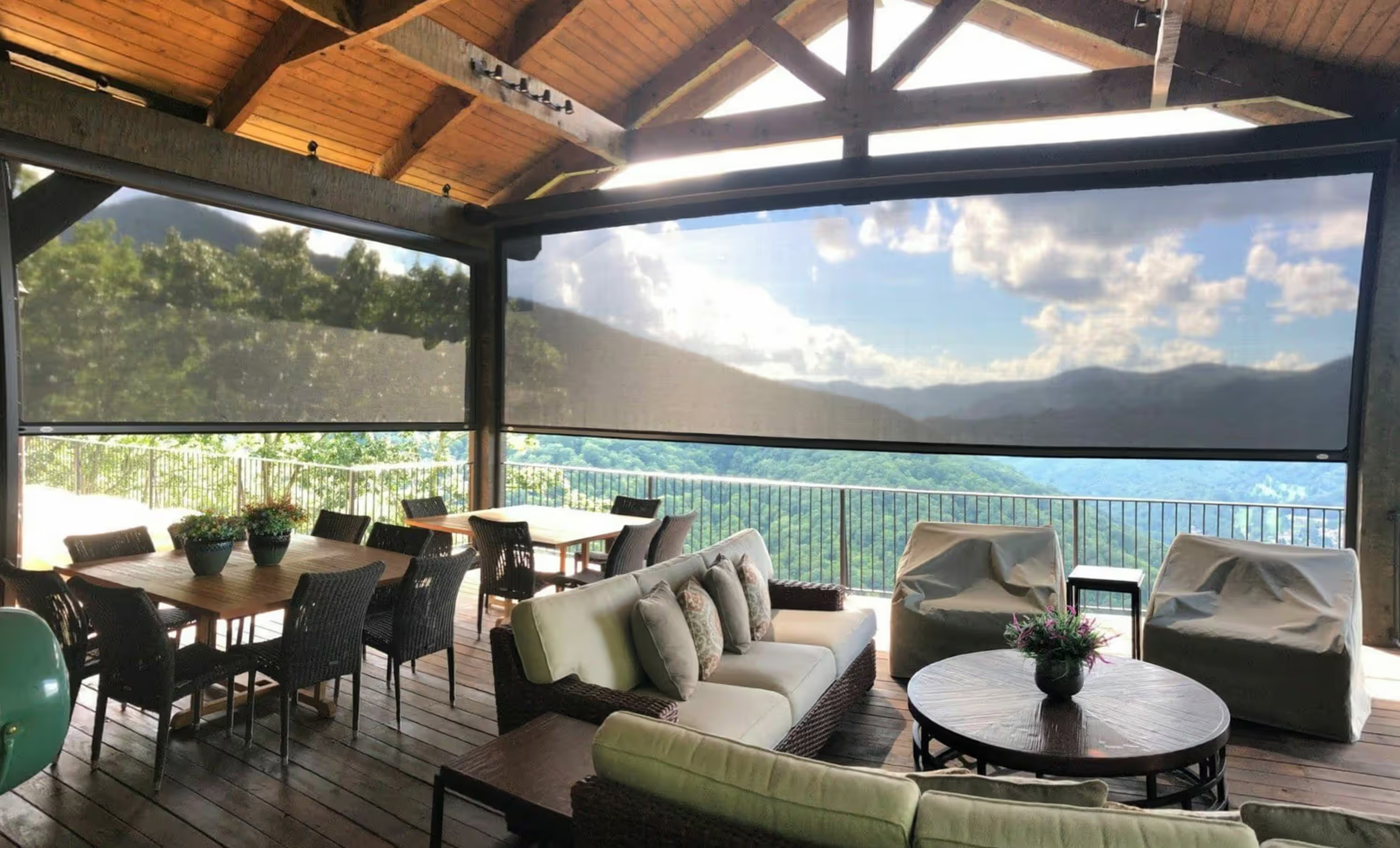
The patented dual-pull magnetic screen system. No zippers. No jams. Solar, insect, or vinyl screen material. Best for enclosed structures where weather protection and bug control are the priority.

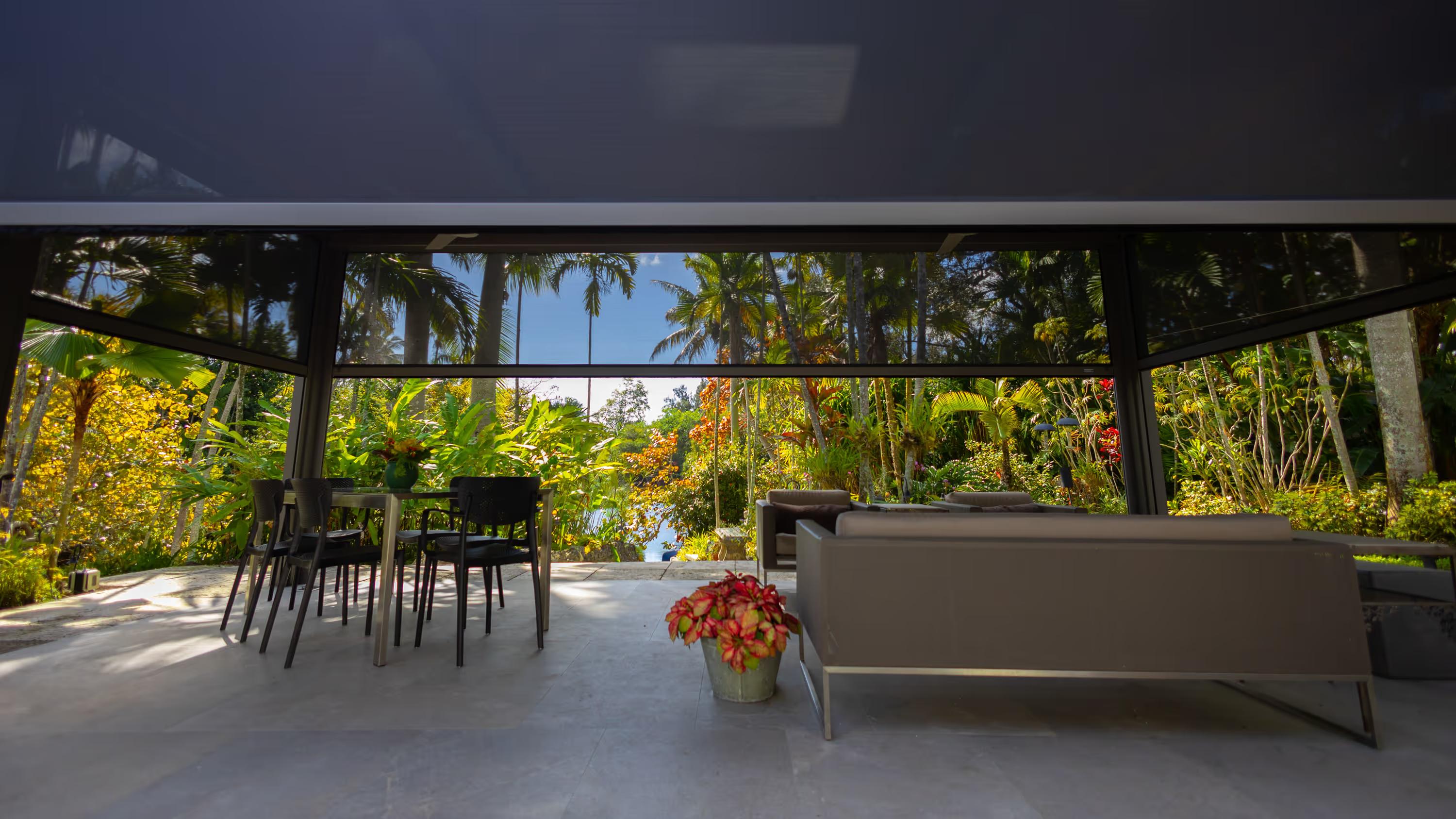
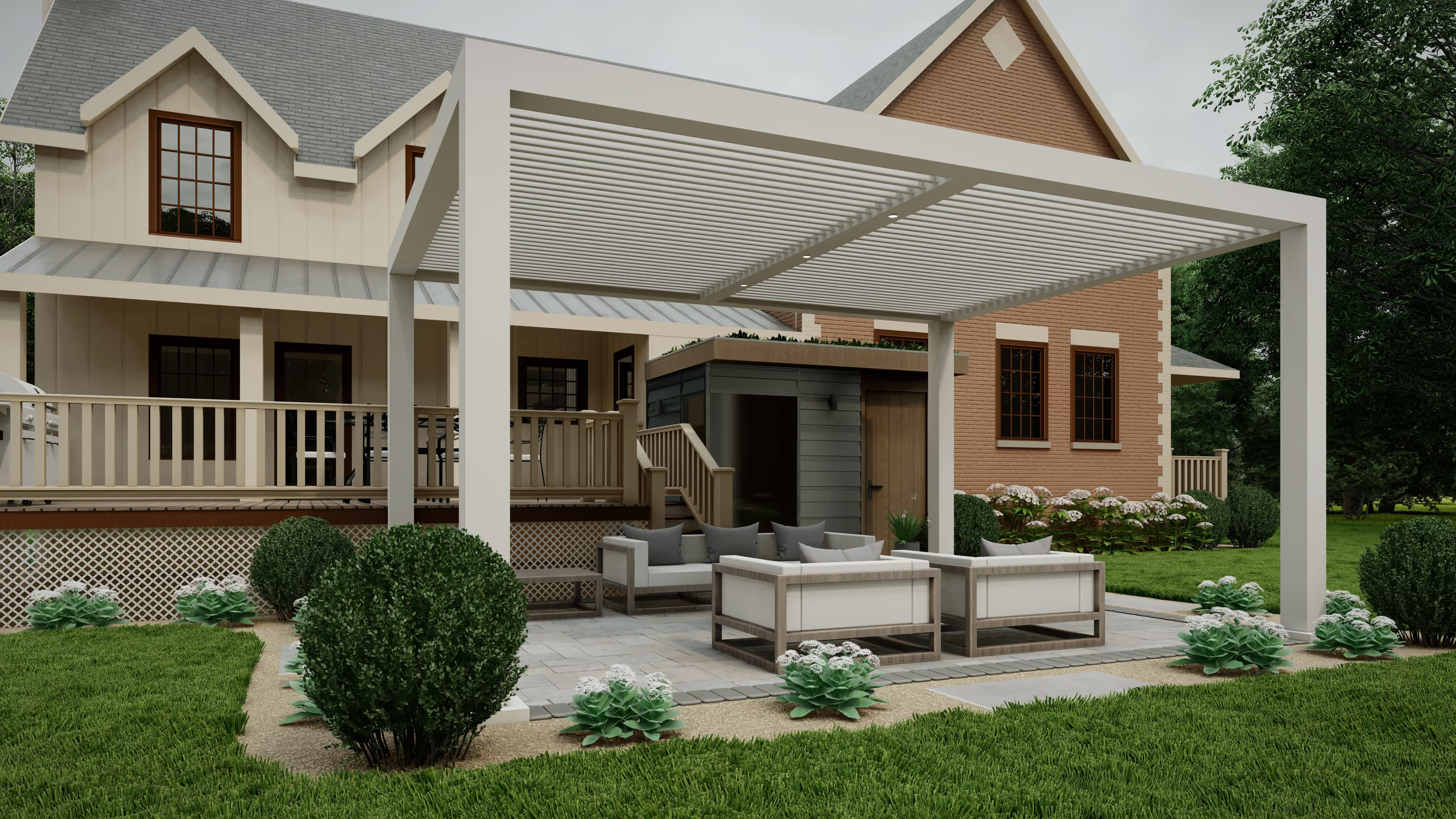
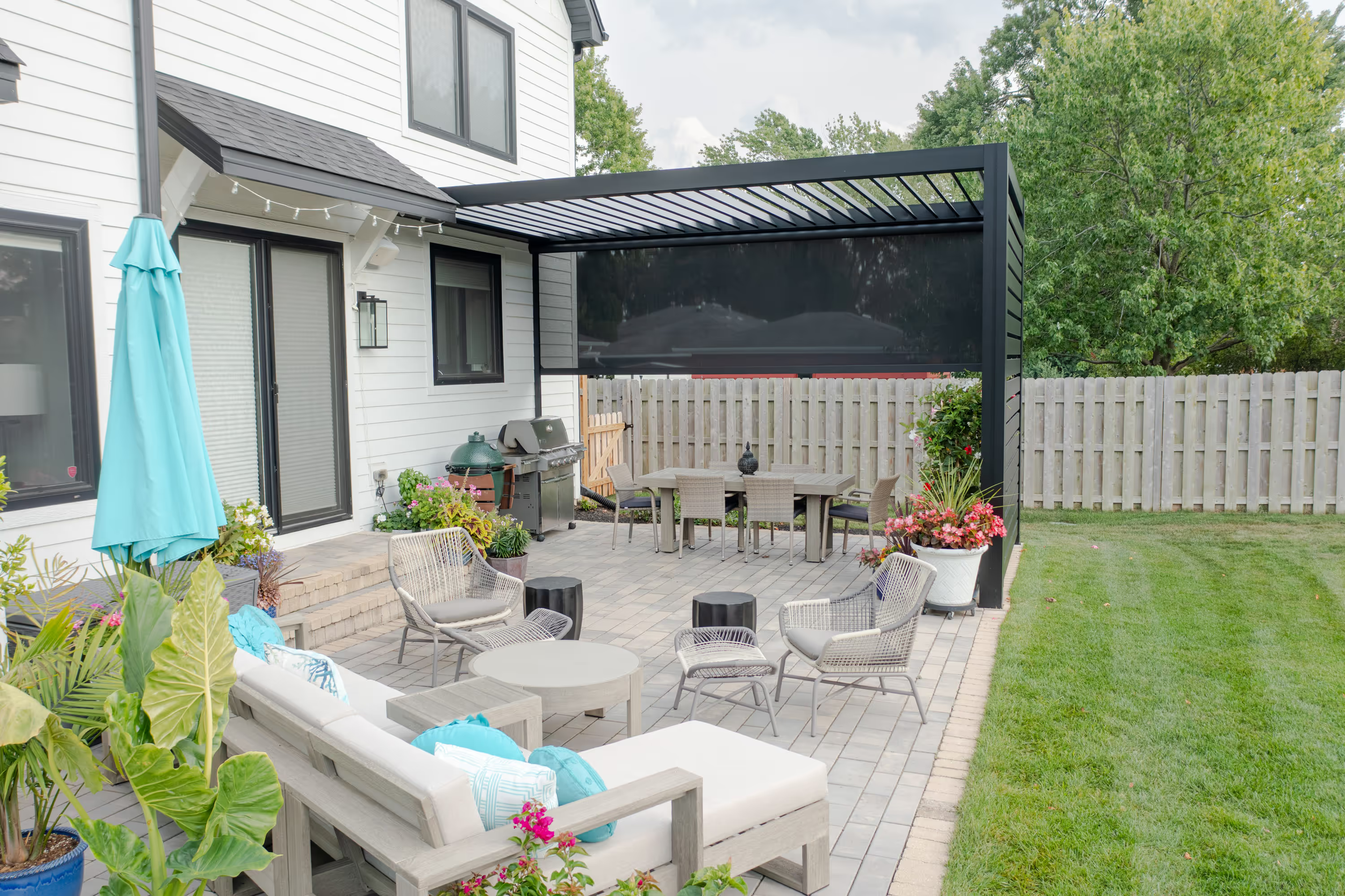
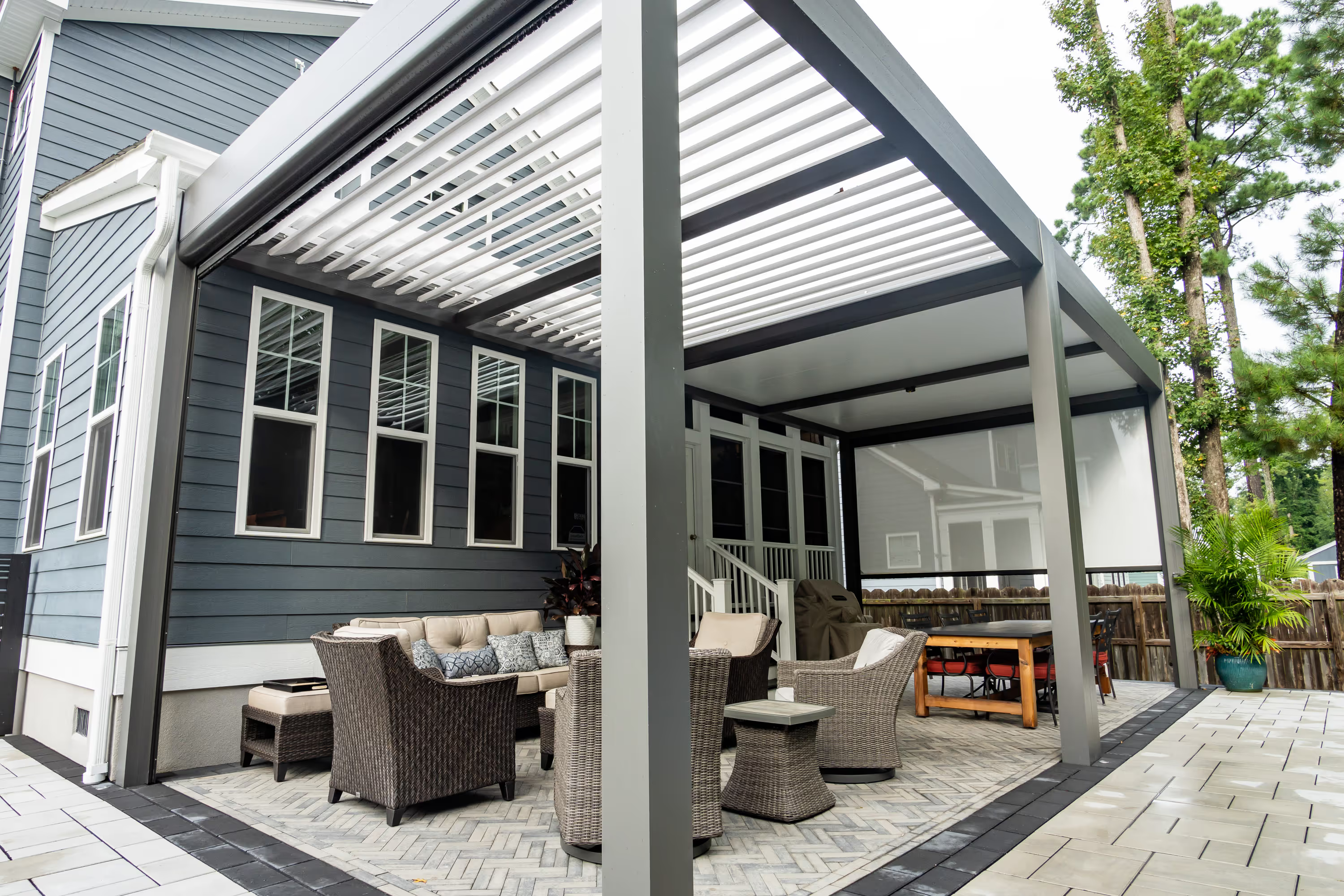
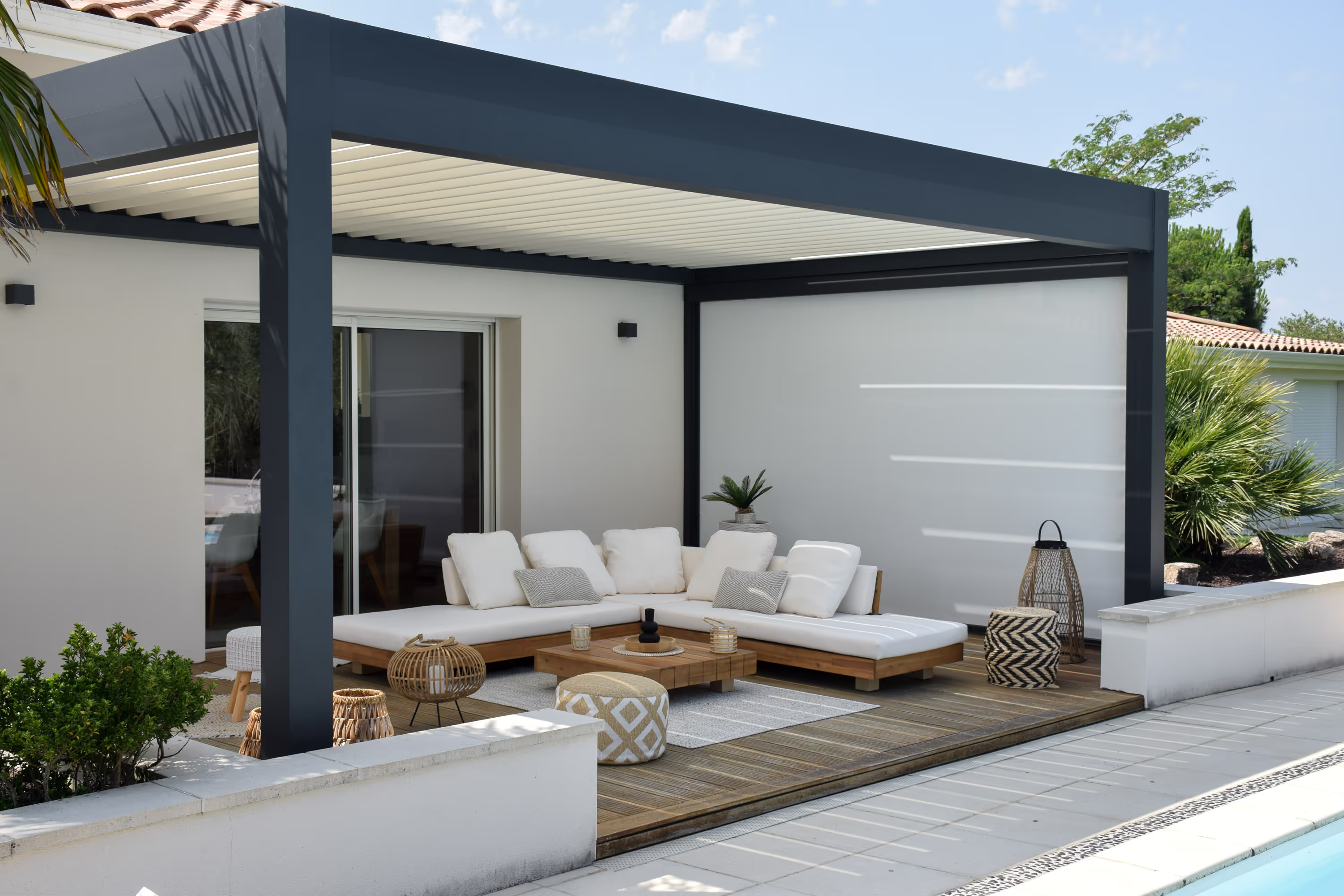
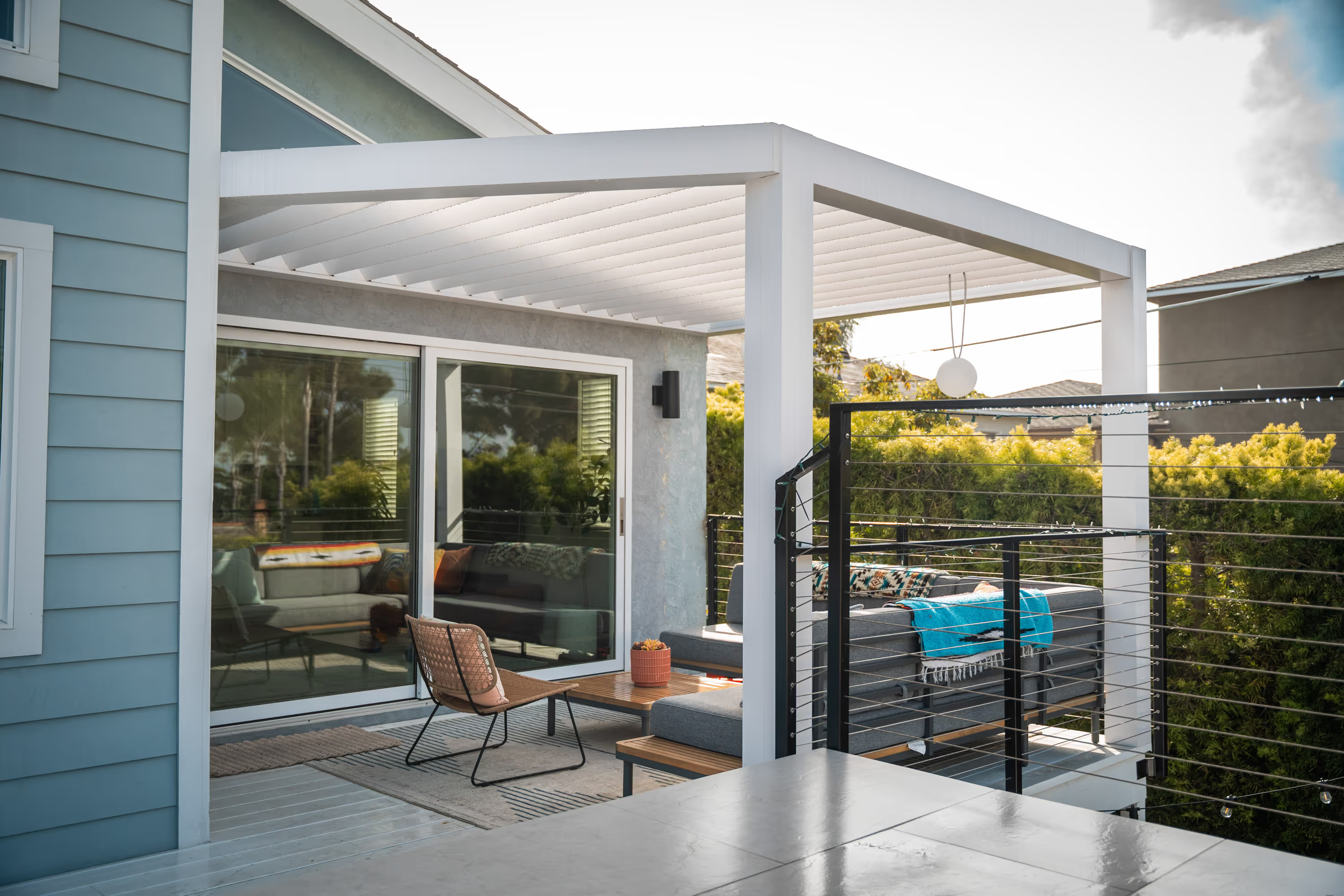
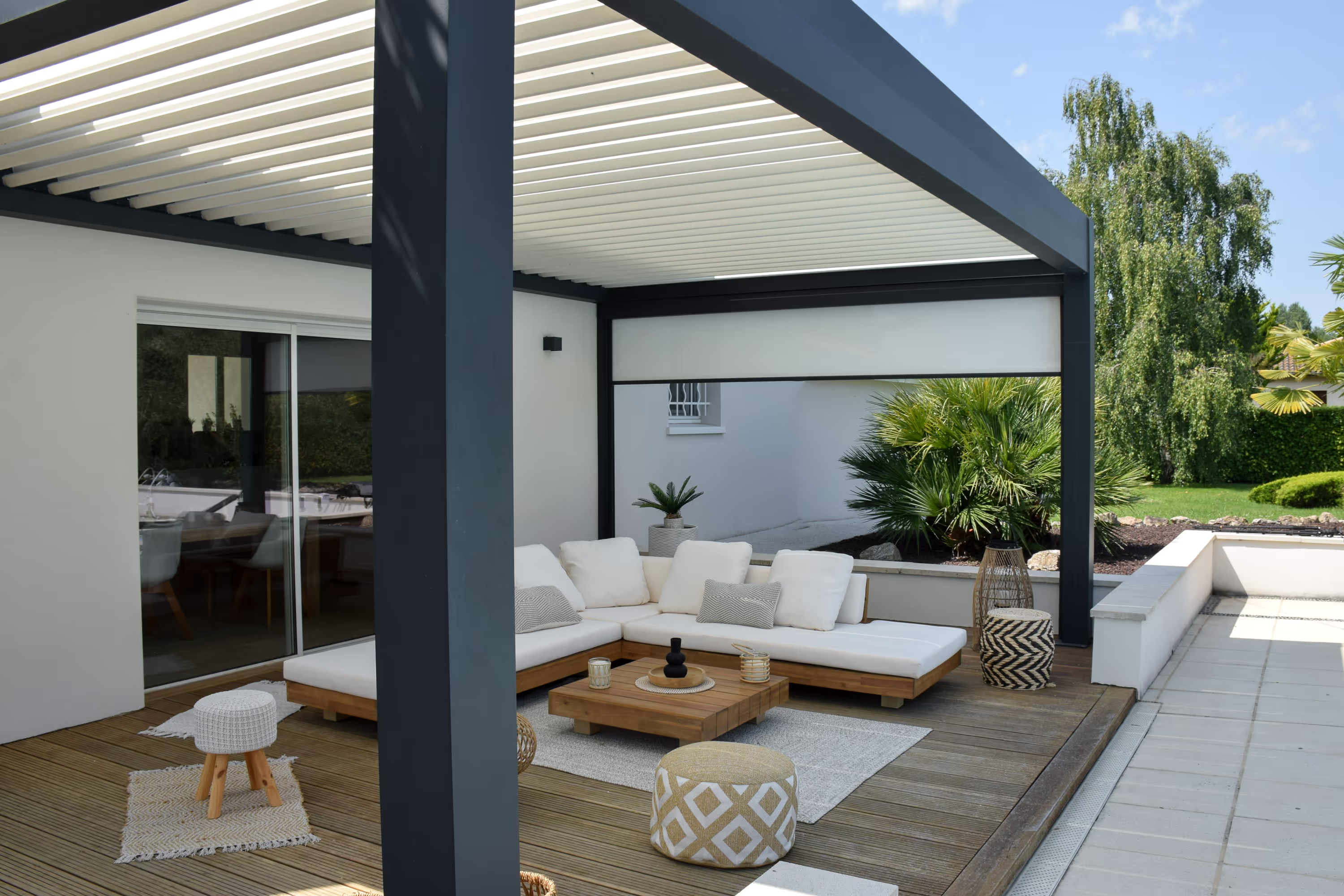
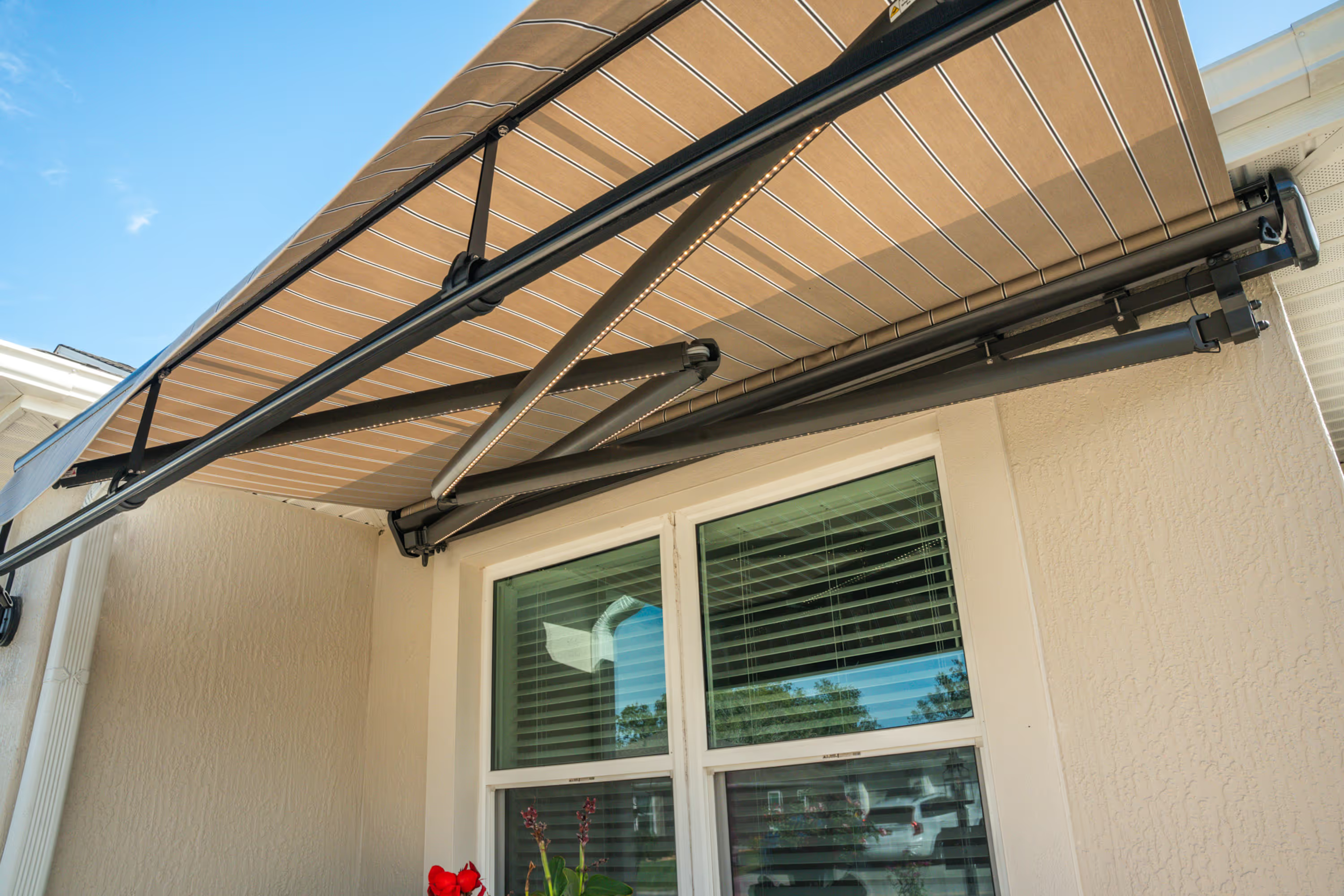
Retractable shade and weather protection without a permanent structure. Best for spaces where flexible coverage is the priority and a full enclosure is not needed.
WHAT YOU ACTUALLY GET
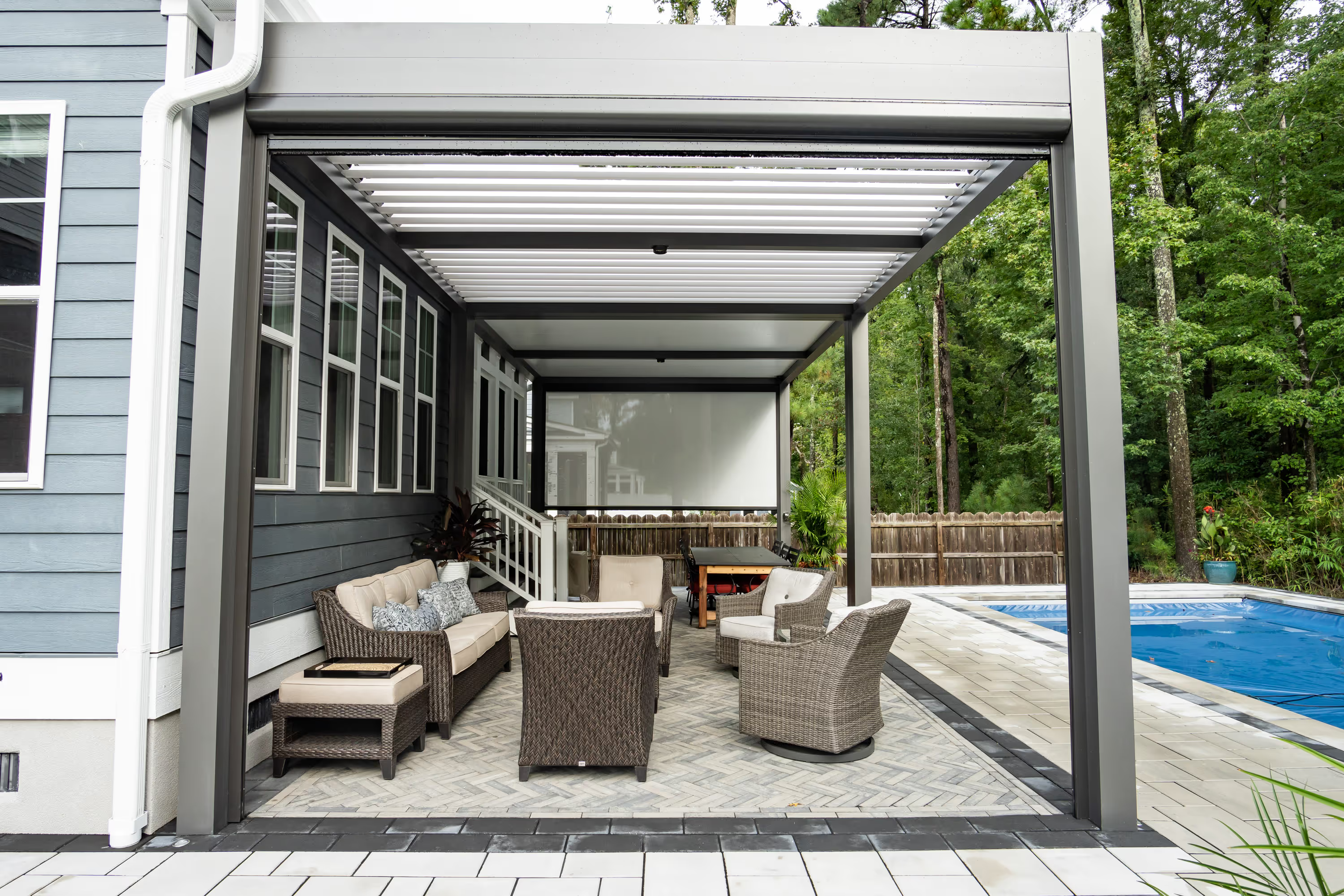
FSI installs MagnaTrack screens and retractable awnings, both custom manufactured to your opening and built to perform in this climate. Here is what changes when they are installed.
01 · BENEFIT
The right system blocks bugs, cuts glare, and keeps wind-driven rain out. Your space stays usable whatever the weather is doing.
02 · BENEFIT
FSI screens and awnings seal against wind-driven rain. The space stays dry and usable when October arrives.
03 · BENEFIT
Every system is custom manufactured to your exact dimensions. No gaps. No exposed hardware. Looks like it was designed in because it was.
04 · BENEFIT
Solar screen material and awning fabric cut UV and afternoon glare while keeping sight lines open. The space stays bright without cooking you out of it.
05 · BENEFIT
FSI specifies systems with limited lifetime warranties built for Pacific Northwest wind and moisture. No zipper tracks. No systems that fail after two seasons.
From the first site visit to the final walkthrough, FSI manages every trade and every detail of your outdoor space.
01 / 03
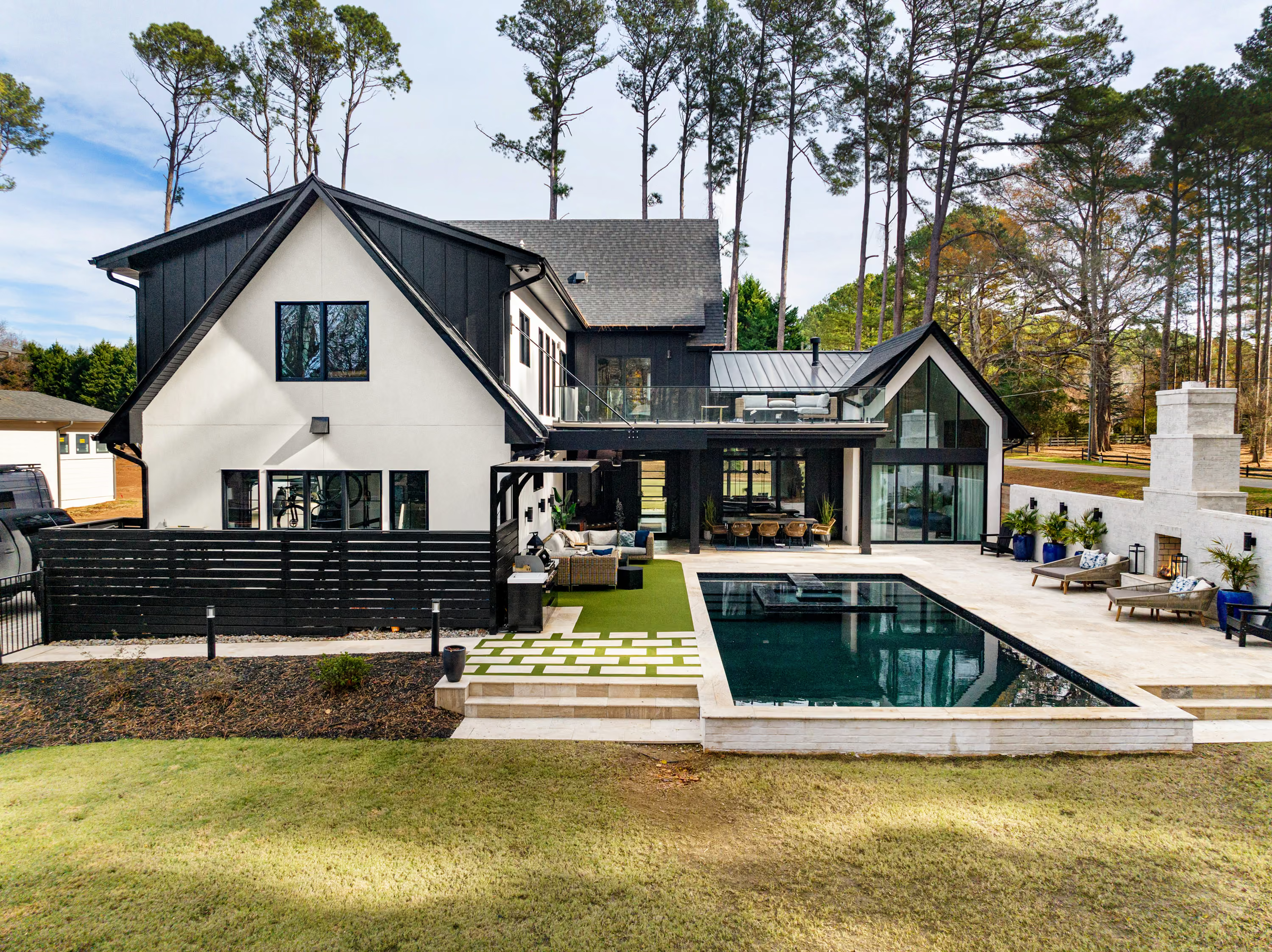
Most contractors build one piece of the space. FSI can design and build the entire outdoor room — pergola, kitchen, screens, heaters, lighting, and AV — as one cohesive system, coordinating with vetted contractors if needed.
02 / 03
No contractor coordination. No missed handoffs. No blame-shifting when something does not fit. FSI manages every trade, employs the people doing the work, or subs out to vetted partners.
03 / 03
FSI has been operating in this market since 2005. This climate, these jurisdictions, these materials. Not a new dealer figuring it out. A team with over 340 completed projects.
From First Call to Finished Space

One call. Tell us what you are trying to solve. Sun, bugs, wind, cold air, or all of the above. FSI asks the right questions and gives you a ballpark range before anyone visits your property.

FSI comes to your property. Every opening measured precisely. Screen and awning systems are custom manufactured to exact dimensions. There is no close enough on a precision system.

Full written proposal with system type, dimensions, motor setup, and pricing. You approve before anything is manufactured.

You approve the plan. We place the order. Every system is custom manufactured and your install date confirmed.
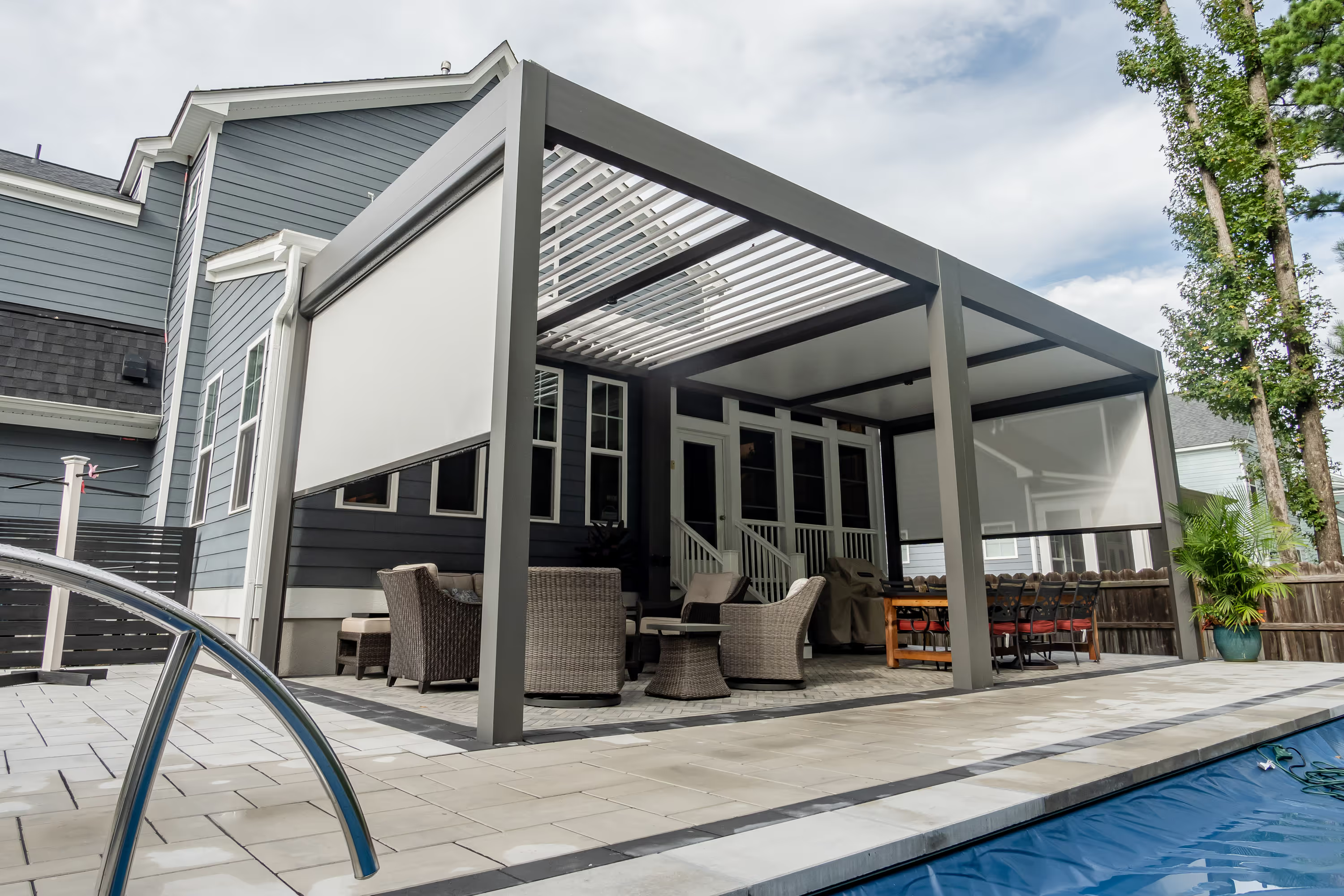
Our trained team installs every system, programs every motor, and sets up your smart home integration. The same people who specified it install it.
QUESTIONS?
Yes — this is FSI's most significant operational advantage in the outdoor living market. FSI's founding team built 20 years of alarm system, low-voltage wiring, and smart home integration experience before installing their first pergola. The outdoor structure and the technology layer are not handled by separate teams. FSI's team understands how the pergola is framed, where the cable channels run inside the posts and beams, what the electrical capacity of the structure is, and how every technology component needs to be positioned relative to the structure's geometry. The outdoor living contractor who subcontracts technology to an AV company that has never been on site produces cable runs on the outside of the frame, heaters wired to the wrong breaker, and speakers placed for subcontractor convenience rather than listening position. FSI owns both the structure and the technology installation, which is why the finished result looks and performs differently.
Yes — FSI holds a general contractor license, which means FSI is legally authorized to manage permit applications for every trade in the project scope — structural, electrical, gas connections, and mechanical. FSI pulls the permits, coordinates with inspectors, and ensures all work passes inspection and is closed out properly before the project is complete. This is one of the practical differences between working with a licensed GC and working with a pergola dealer or outdoor kitchen company that coordinates multiple subs. A GC license means one entity is accountable for the full scope, one entity pulls permits for all trades, and one entity manages the inspection and sign-off process. Customers are not managing permit applications, chasing inspector callbacks, or coordinating between separate contractor permits. FSI handles it all.
Yes — FSI produces full 3D design renderings for complete outdoor living package engagements. You see the finished space before any work begins — the pergola footprint on your specific property, the kitchen position and configuration, the screen placement, the lighting locations, and the material selections all rendered in three dimensions. The 3D design is produced after the on-site property walkthrough and before the final proposal is delivered. It serves two purposes: it confirms the design is what you are imagining, and it confirms the scope is matched to the proposal numbers. FSI does not begin fabrication or installation until the design and proposal are approved. The investment in the design process eliminates the mismatch between expectation and delivery that is the most common source of client dissatisfaction in outdoor construction projects.
Furrion motorized awnings include wind sensor capability or manual retract guidance — the awning is designed for moderate-weather shade use, not permanent exposure in high-wind conditions. At sustained wind speeds above a specified threshold, the awning should be retracted to prevent arm stress and fabric damage. Wind sensors that automatically trigger retraction are available and FSI recommends them for installations in locations with frequent wind exposure. In Pacific Northwest conditions — where summer afternoons can be calm and fall days can include sustained wind events — the wind sensor is a practical addition that protects the awning investment over time. Retractable fabric awnings are not the same engineering specification as a structural pergola system and should not be deployed in conditions for which they are not rated.
MagnaTrack's performance in wind and rain comes directly from its patented design. The magnetic bottom rail locks the screen fabric edge flush against the mounting track at the base using neodymium magnets. When the screen is fully descended, the magnetic connection holds the fabric edge in place even under sustained wind load. There is no gap for wind to enter, no lift for the fabric to bow outward, and no stress concentration at a single weighted bottom rail that can shift in gusting conditions. In the Pacific Northwest, where outdoor screens are used most heavily in fall and spring when wind events are common, this design difference directly determines whether the screen system gets used or stays retracted. The dual-pull motor system also maintains even tension across the full screen width, preventing bowing, wrinkling, and stress tears at the edges over time.