
SERVICES / FIRE FEATURES AND INFRARED HEATERS
FSI designs and installs gas fire features and infrared heaters for Puget Sound homeowners. Permitted correctly. Integrated into the space. Installed by one team.
the difference
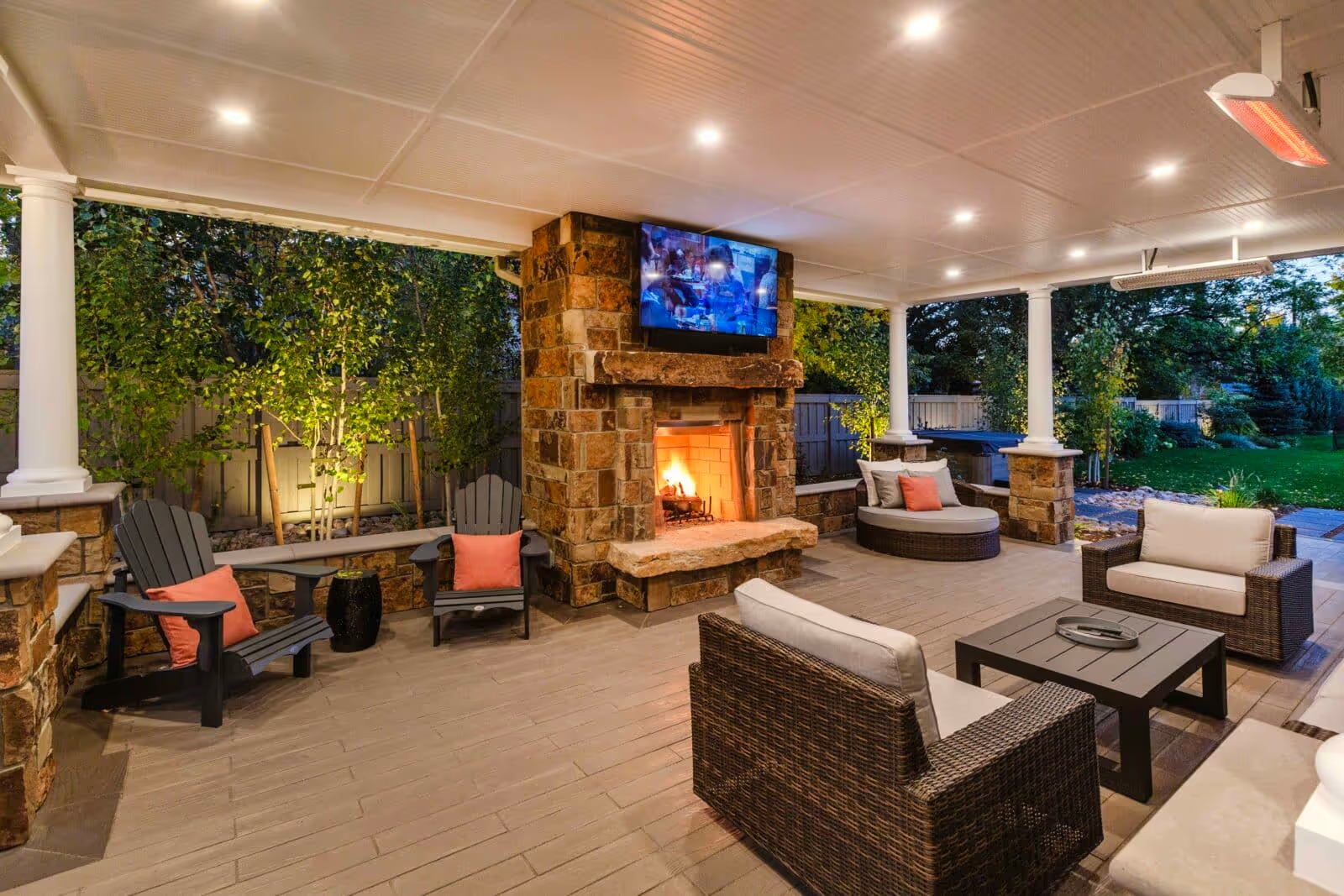
A freestanding propane heater on a covered deck is not outdoor heat. It is a placeholder. FSI designs fire features and infrared heaters into the space from the start. Everything looks like it belongs because it was planned to.


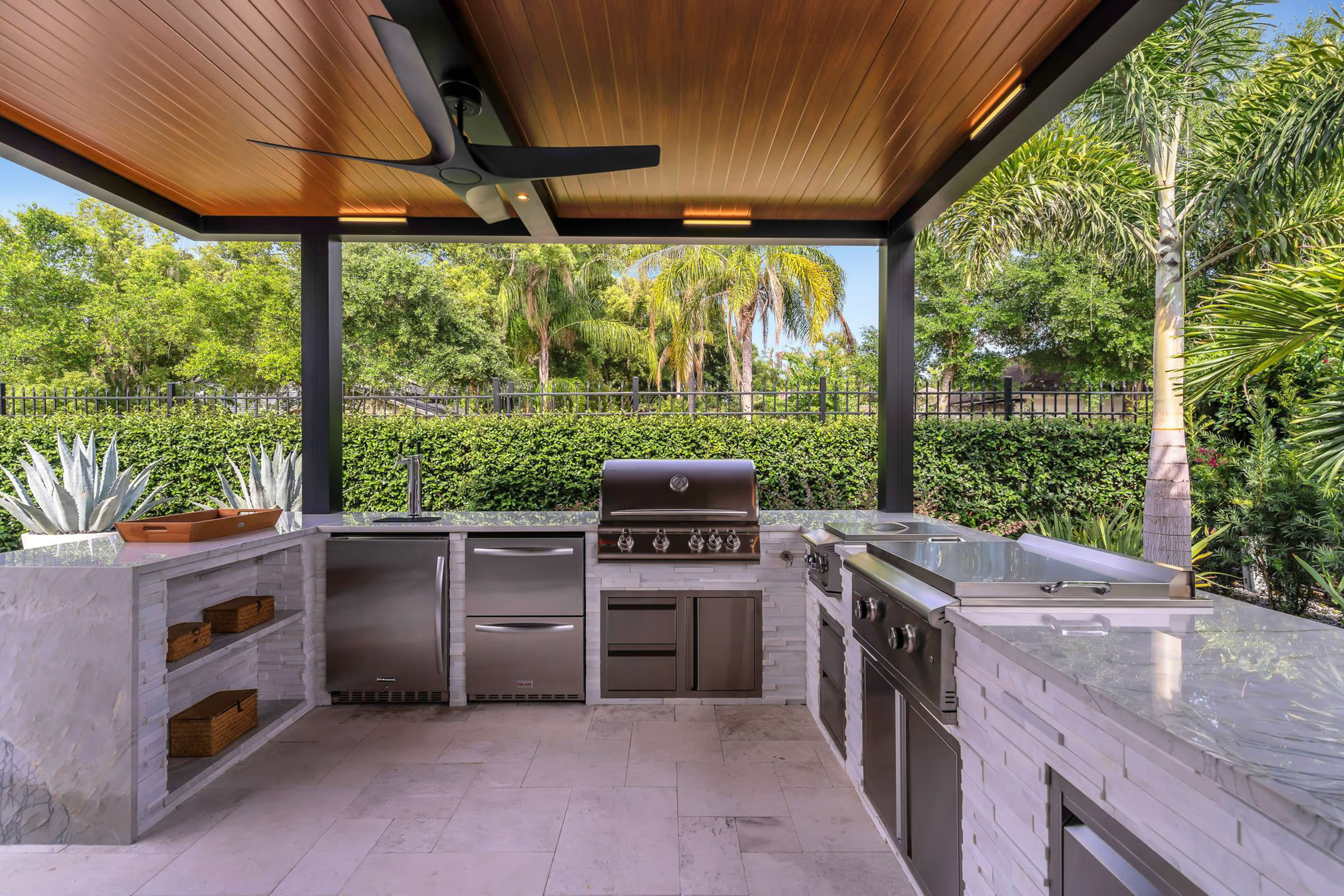


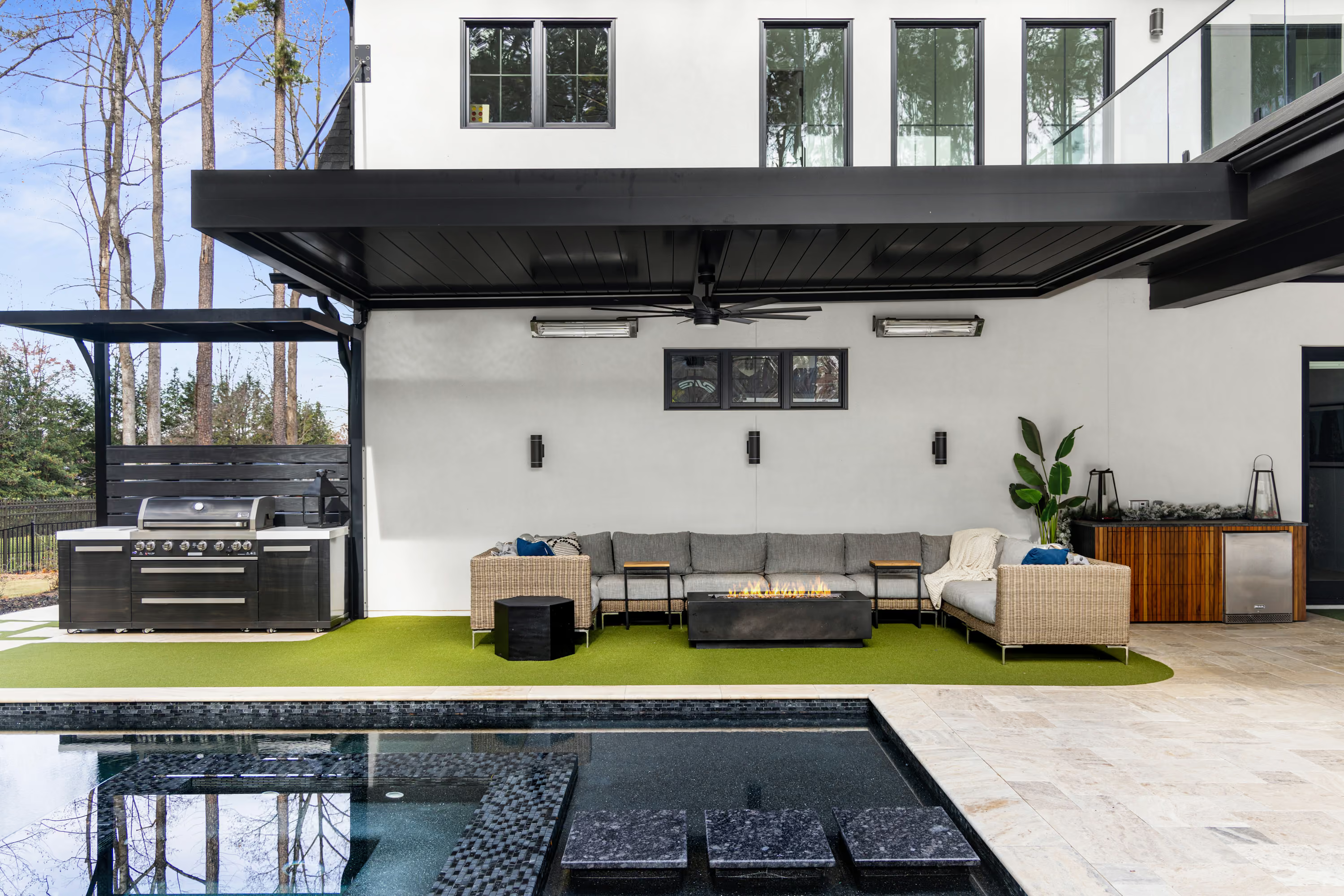
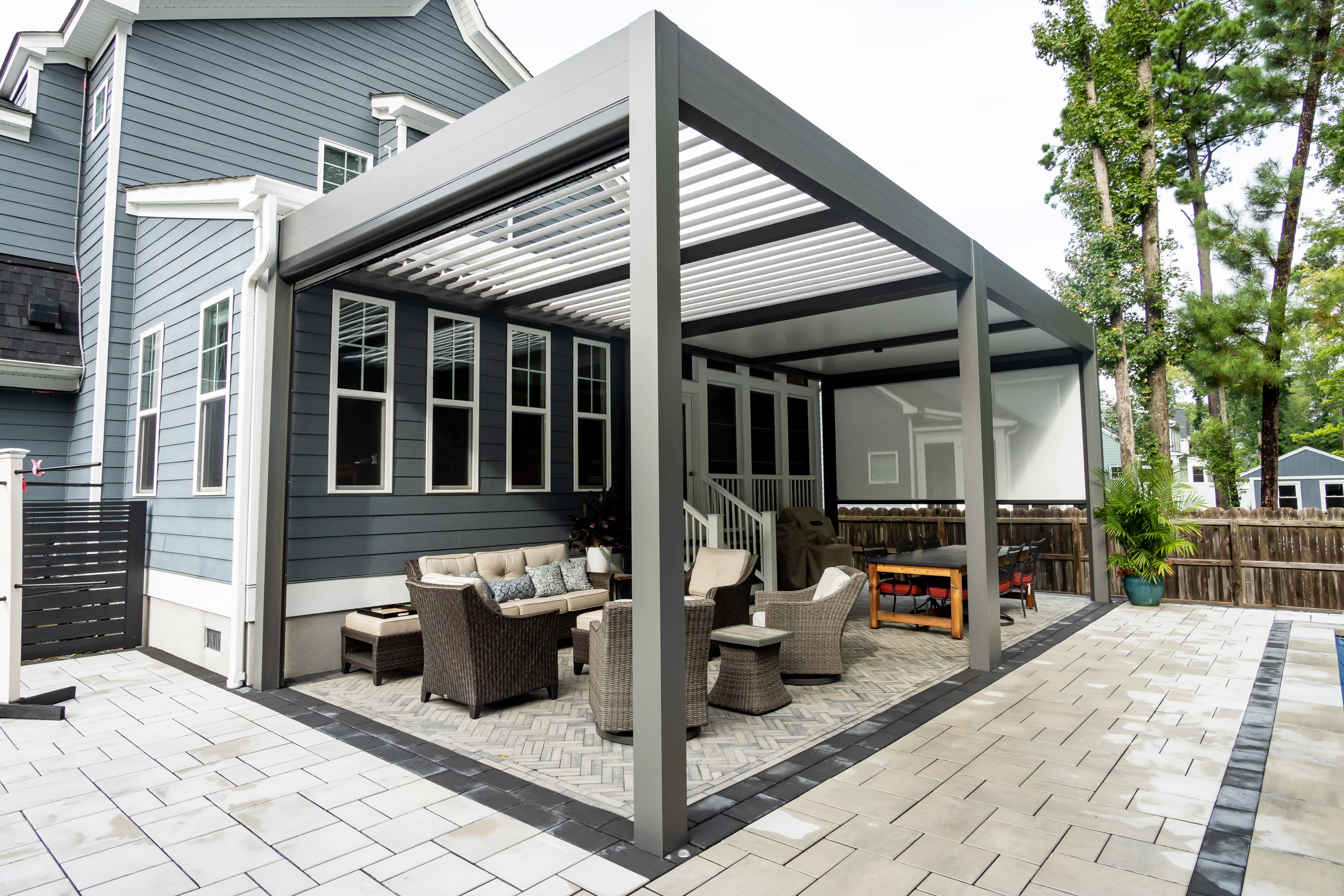
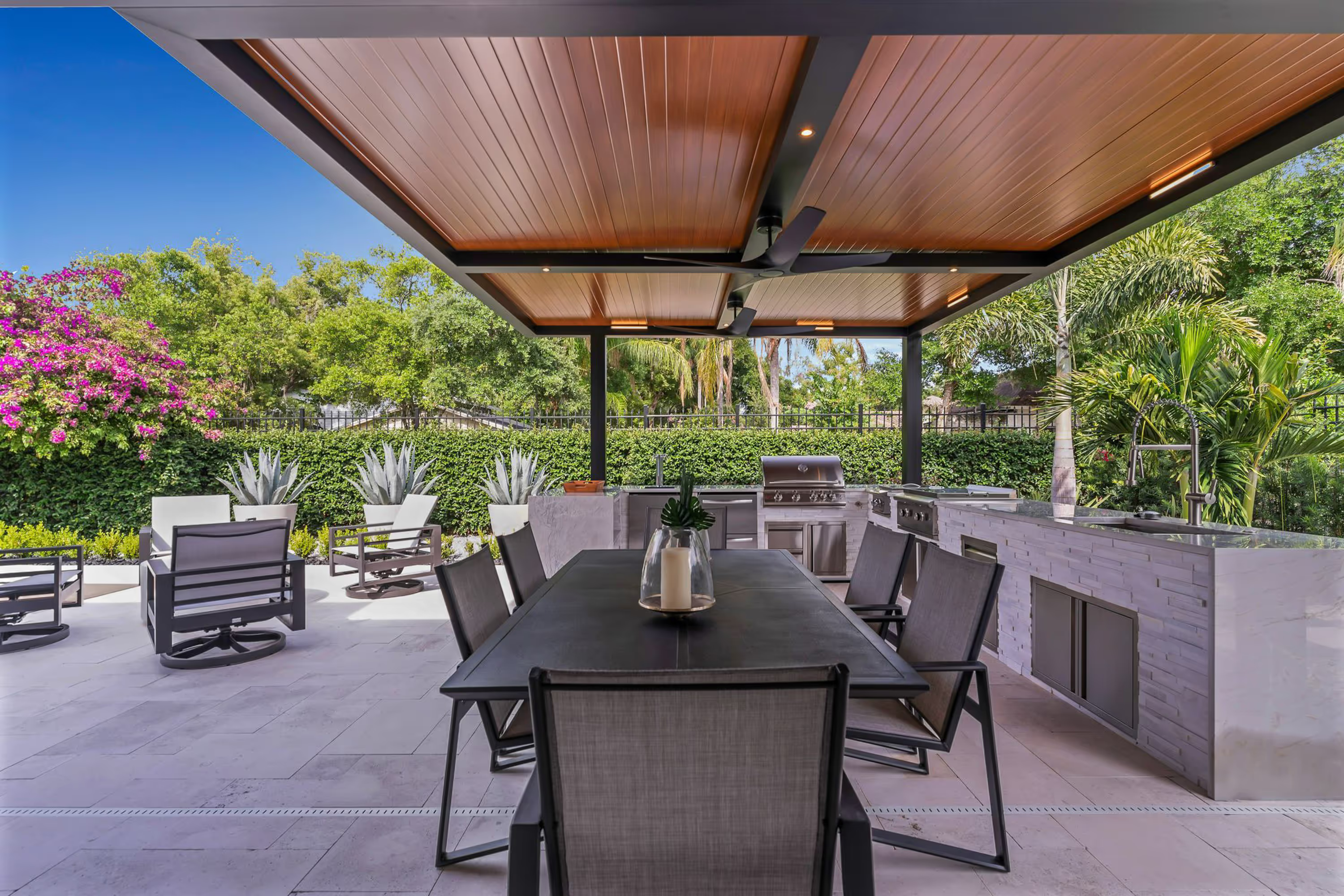

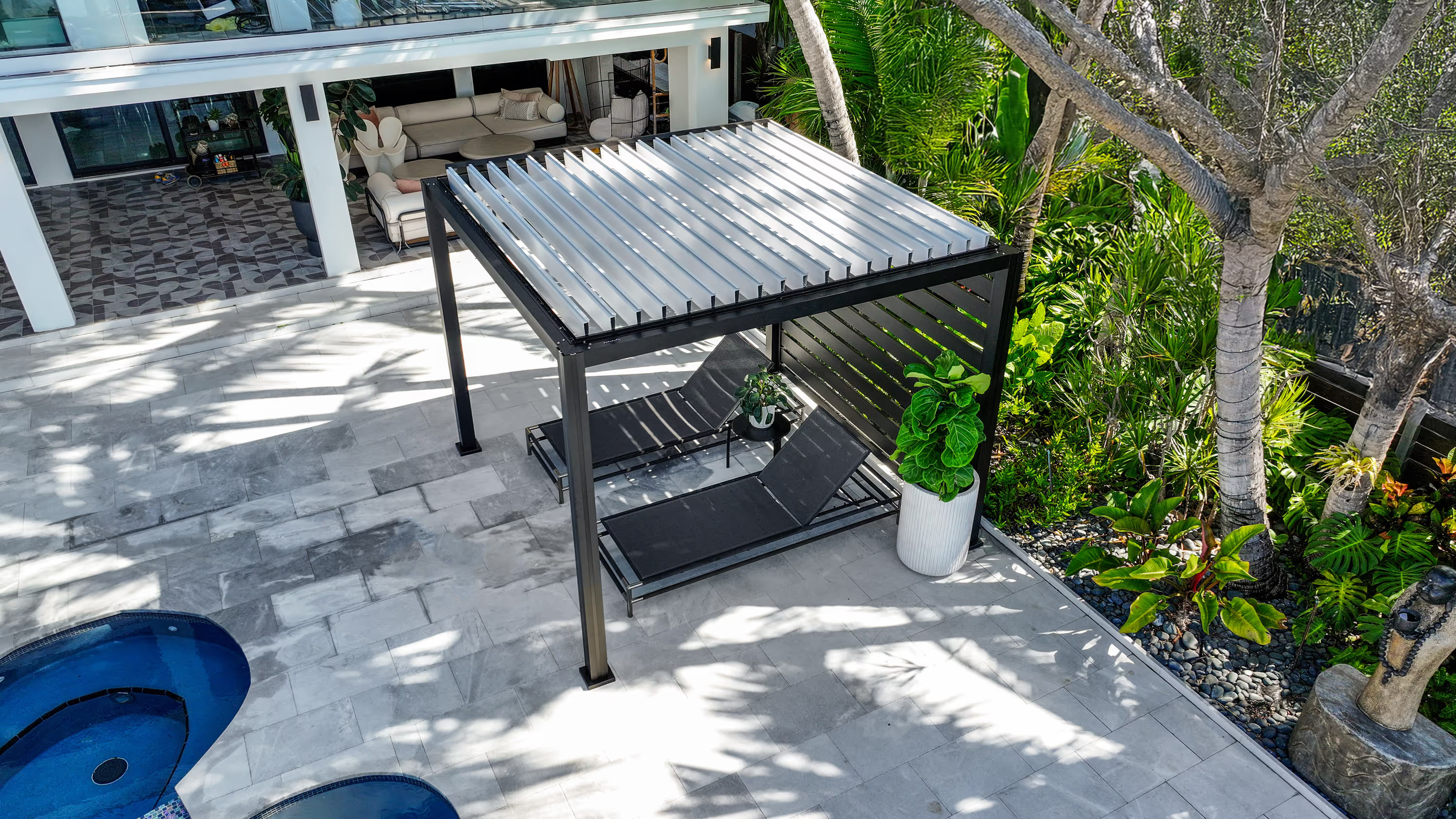



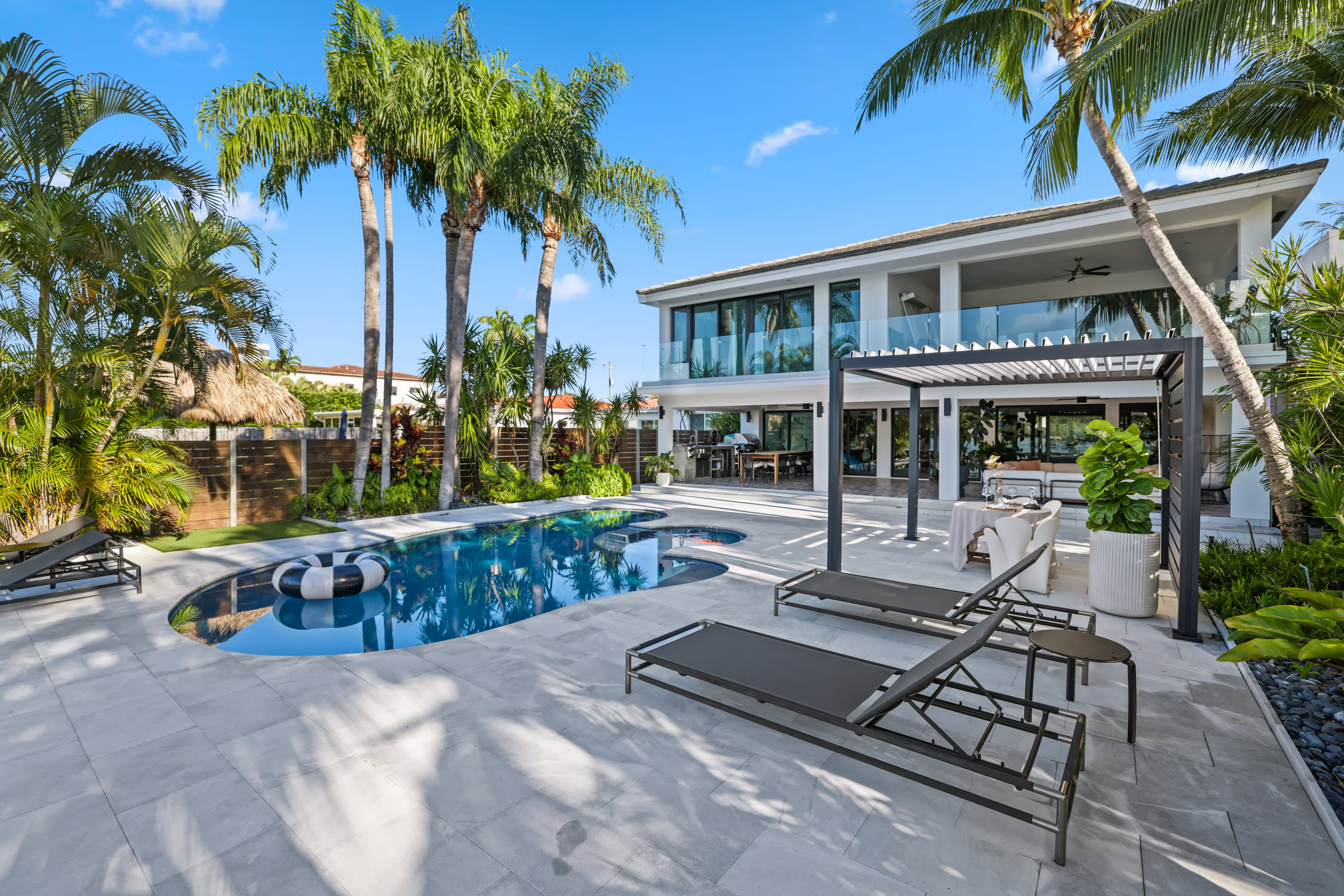


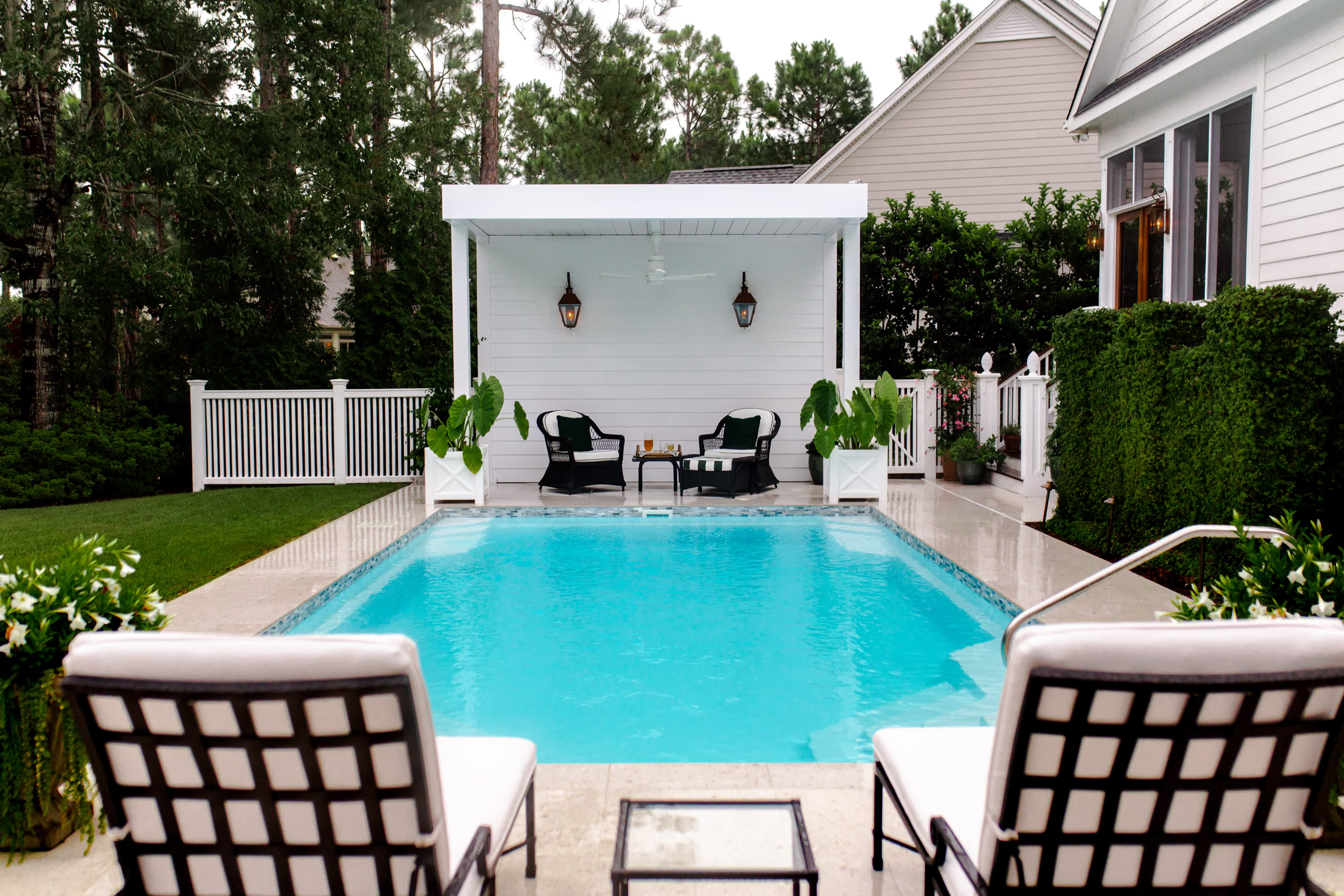
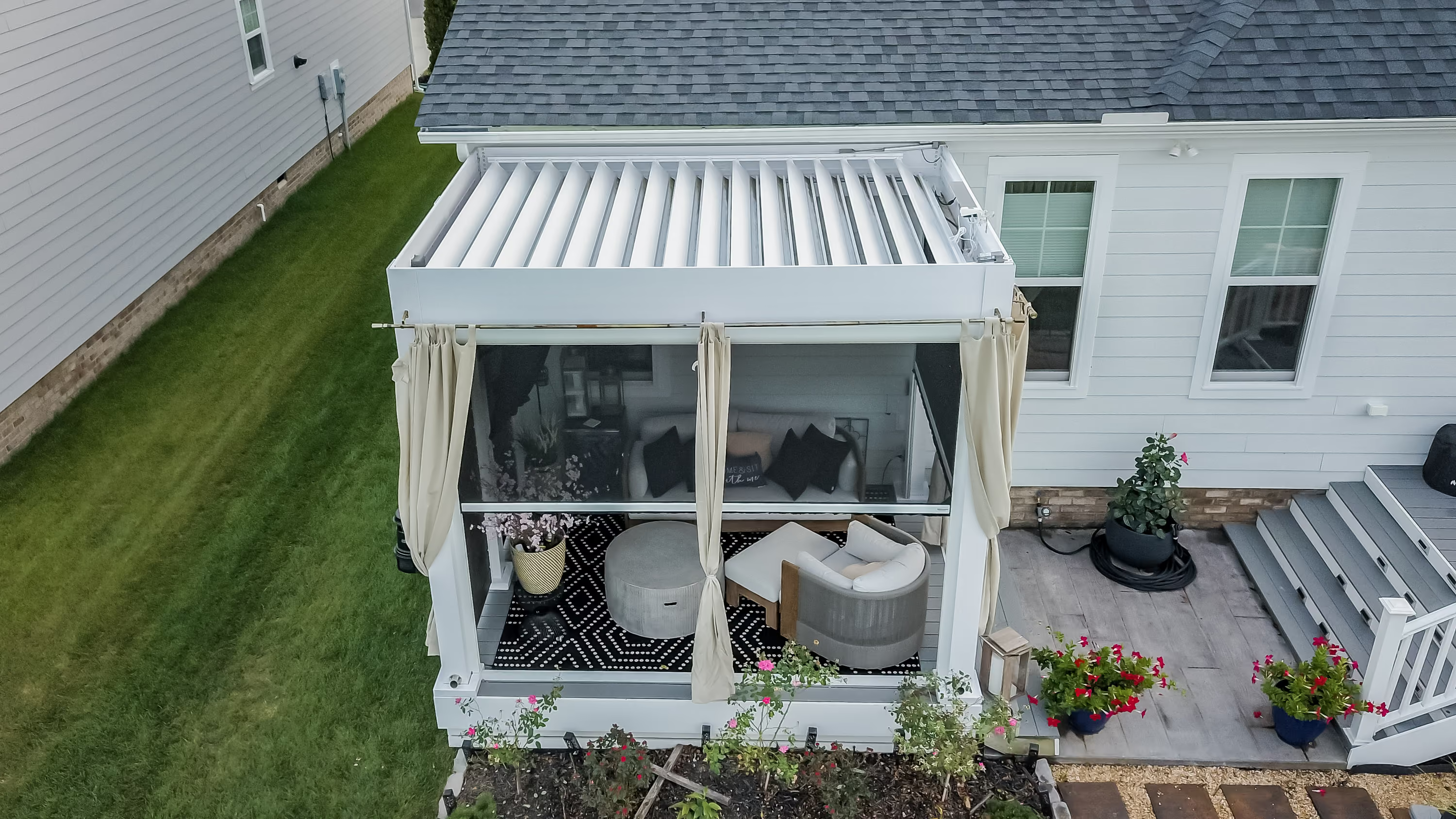

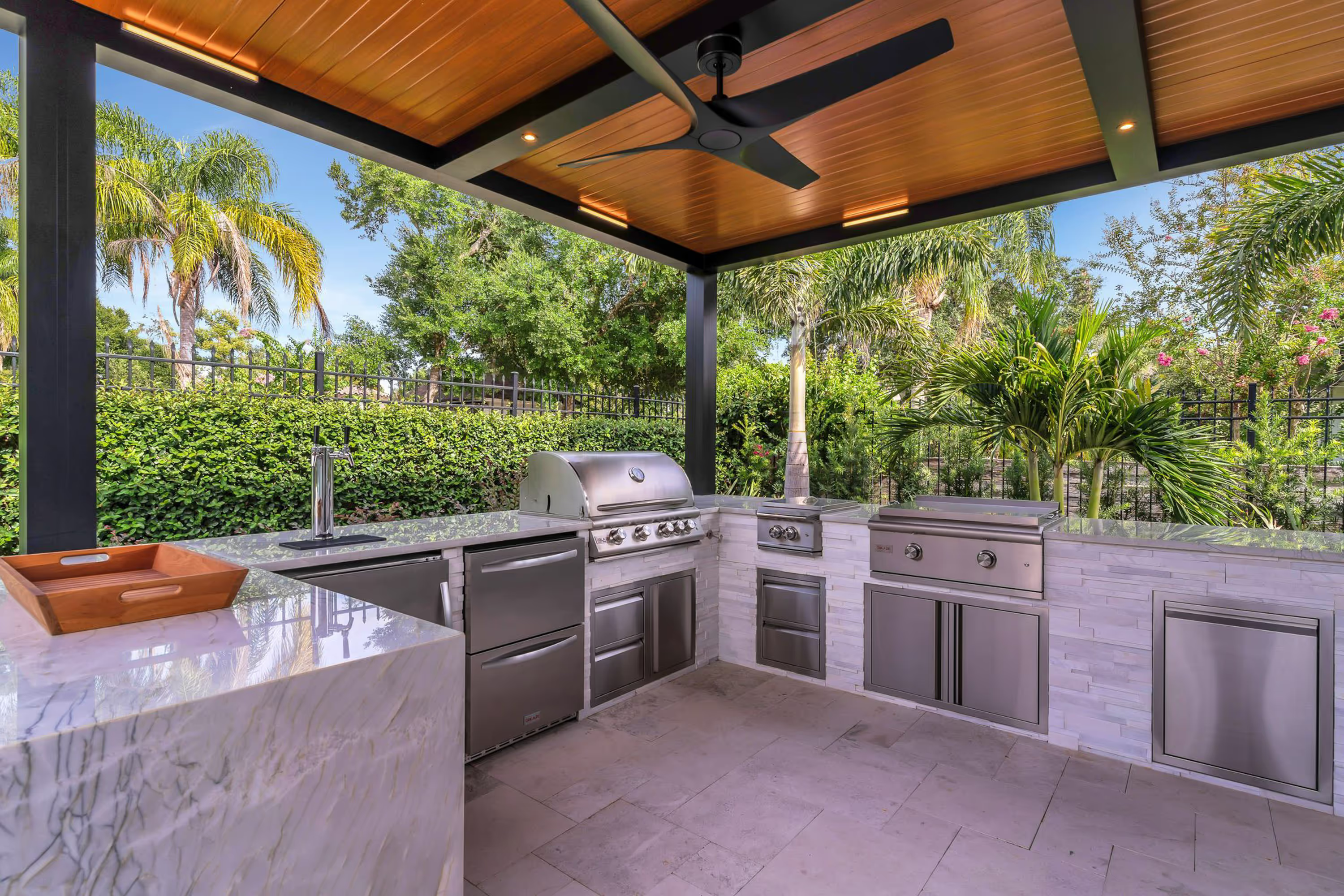
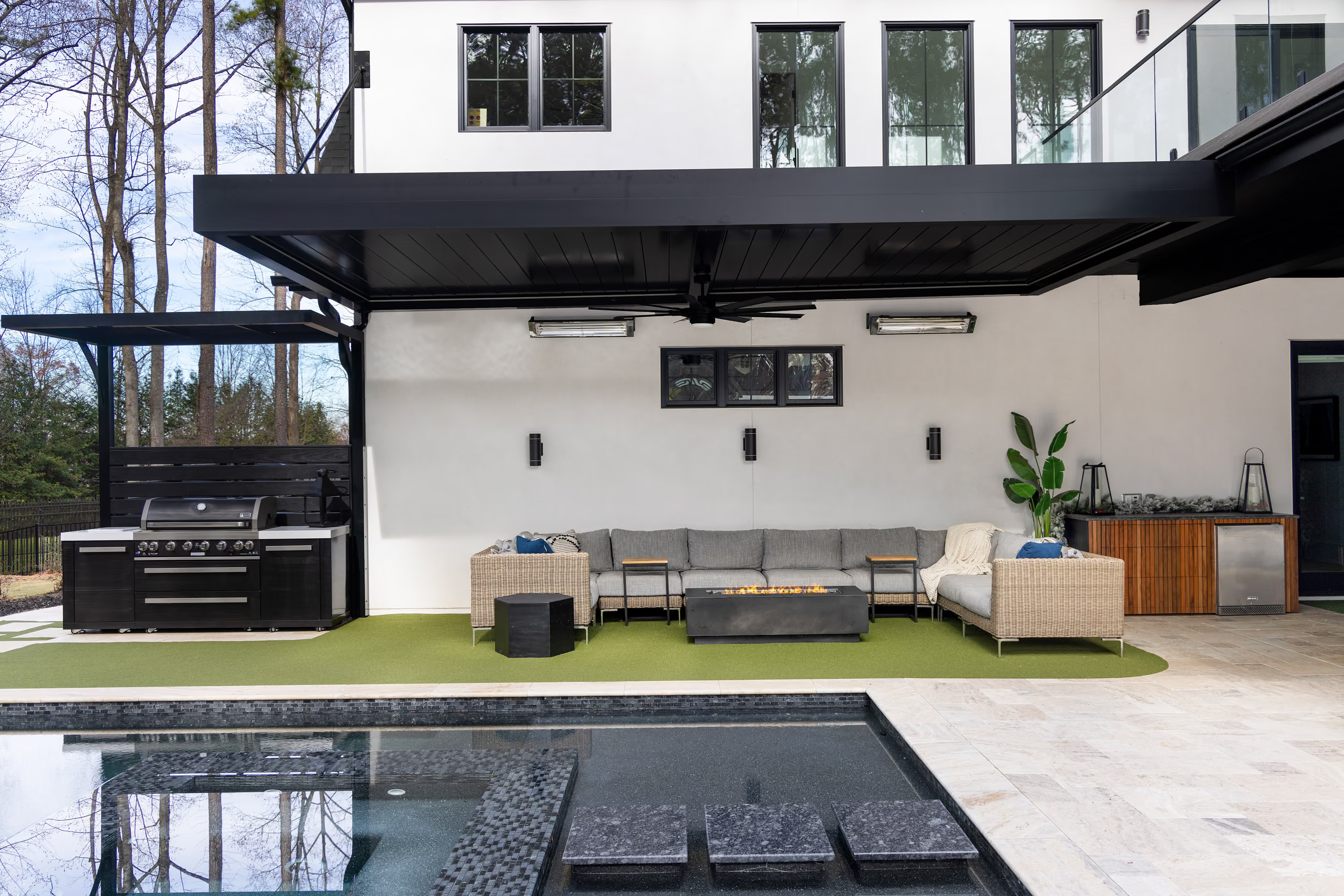
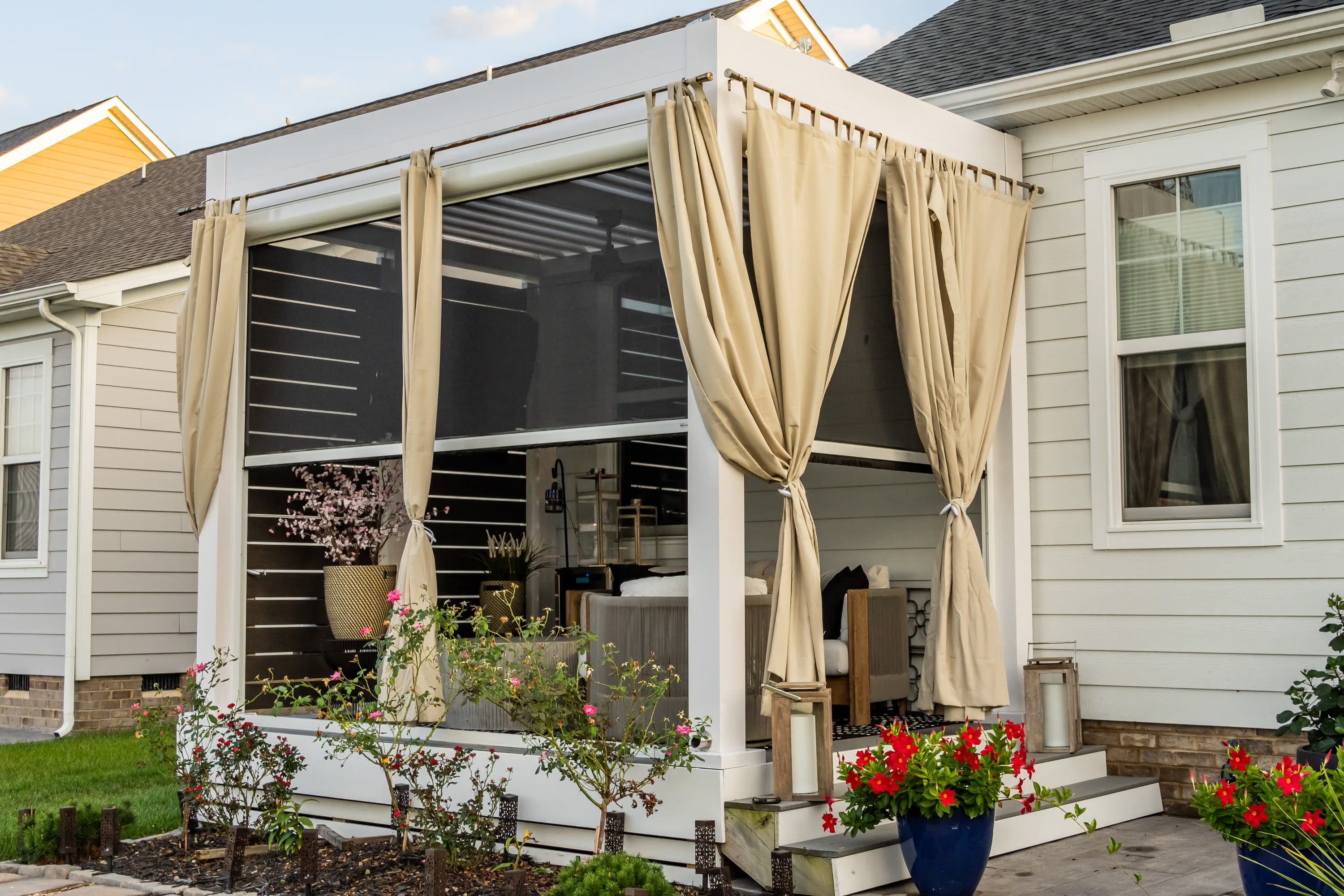
Most outdoor heaters were not designed for cold, wet, wind-driven conditions. FSI specifies Infratech and Bromic because both were.

Your heaters should warm the space, not just one corner of it.
Convection heaters warm the air. Wind carries that air away instantly. Infrared heaters warm people and objects directly, the way sunlight does.
FSI specifies Infratech and Bromic because both deliver radiant heat that works in open covered spaces regardless of wind.
INFRATECH: Broad, even heat distribution across the full space. Flush-mount and recessed ceiling installation standard. Integrates with Control4, Savant, Lutron, and solid-state smart controls.
BROMIC: Directional heat pushed forward and down toward seating areas. 316 marine-grade stainless available for waterfront and salt-air properties. 7-year element warranty. Longest in the category.
.avif)
Your fire feature should look like it was always there.
A freestanding fire pit dropped on a patio is not a fire feature. It is furniture. FSI designs and builds integrated gas and propane fire features into the hardscape and stone.
The facing material matches your kitchen, your pergola structure, and your home's exterior. It looks like it belongs because it was built to.
WHAT FSI HANDLES:




WHAT YOU ACTUALLY GET
Gas fire features and infrared heaters, designed and installed as part of your outdoor room.
01 · BENEFIT
Placement, orientation, and scale planned around the hardscape, kitchen, and outdoor furniture. The fire feature fits because it was designed to fit.
02 · BENEFIT
FSI coordinates the licensed gas sub and all fuel line work. Gas or propane, the connection is planned, permitted, and installed. You do not manage a separate contractor.
03 · BENEFIT
Facing material sourced to match your existing stone, tile, or hardscape finishes. The fire feature looks like it belongs because the materials say so.
04 · BENEFIT
FSI coordinates all required permits for gas and fire feature installation. Handled across applicable Puget Sound jurisdictions before anything gets installed.
05 · BENEFIT
Ceiling, wall, or post-mount infrared heaters specified for your mounting height and coverage area. FSI matches the right system to your outdoor room.
From the first site visit to the final walkthrough, FSI manages every trade and every detail of your outdoor space.
01 / 03
Most contractors build one piece of the space. FSI can design and build the entire outdoor room — pergola, kitchen, screens, heaters, lighting, and AV — as one cohesive system, coordinating with vetted contractors if needed.
02 / 03
No contractor coordination. No missed handoffs. No blame-shifting when something does not fit. FSI manages every trade, employs the people doing the work, or subs out to vetted partners.
03 / 03
FSI has been operating in this market since 2005. This climate, these jurisdictions, these materials. Not a new dealer figuring it out. A team with over 340 completed projects.
From First Call to Finished Space

One call. Gas or propane fire feature, infrared heaters, or both. Describe what you are imagining and how the space gets used. FSI asks the right questions before any site visit.

FSI assesses the existing or planned outdoor structure and designs the heat system to integrate. Fire feature placement, heater mounting positions, and gas line routing all planned before anything is ordered.

Full written proposal covering every component. FSI coordinates the permit application across applicable jurisdictions before anything gets installed.

FSI installs the fire feature, coordinates the licensed gas sub, and mounts and wires every heater. One team manages the full install.

Everything tested and confirmed before FSI leaves. The fire lights. The heaters work. The space is ready every month of the year.
QUESTIONS?
No pressure. No commitment. FSI comes to your property, walks the space with you, and shows you exactly what is possible and what it costs. Schedule your free consultation to start.